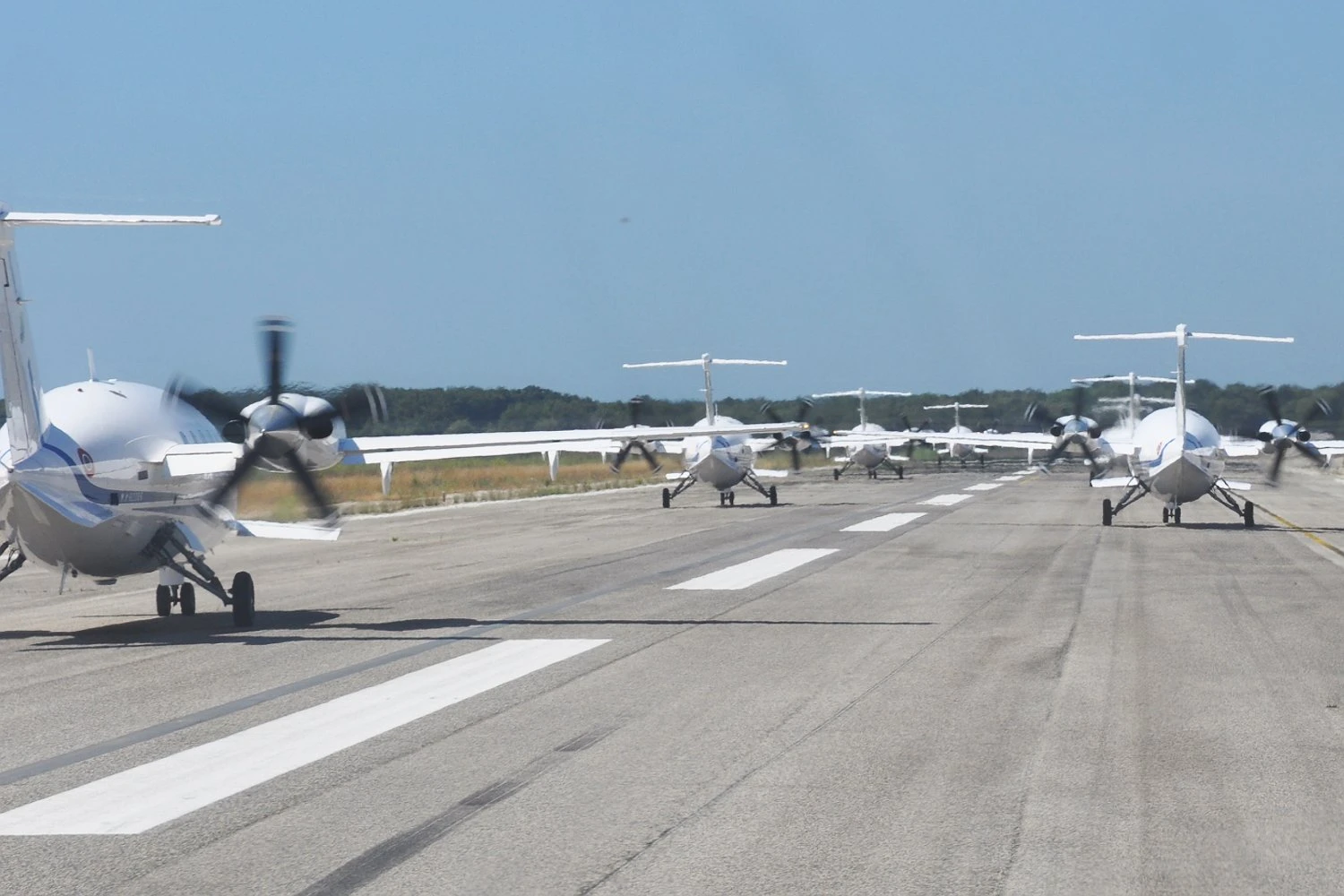
The Italian Air Force has gathered several of its Piaggio P.180 Avanti aircraft for an unusual “Elephant Walk,” producing a rare sight involving one of the most distinctive aircraft currently operated by a European military service.
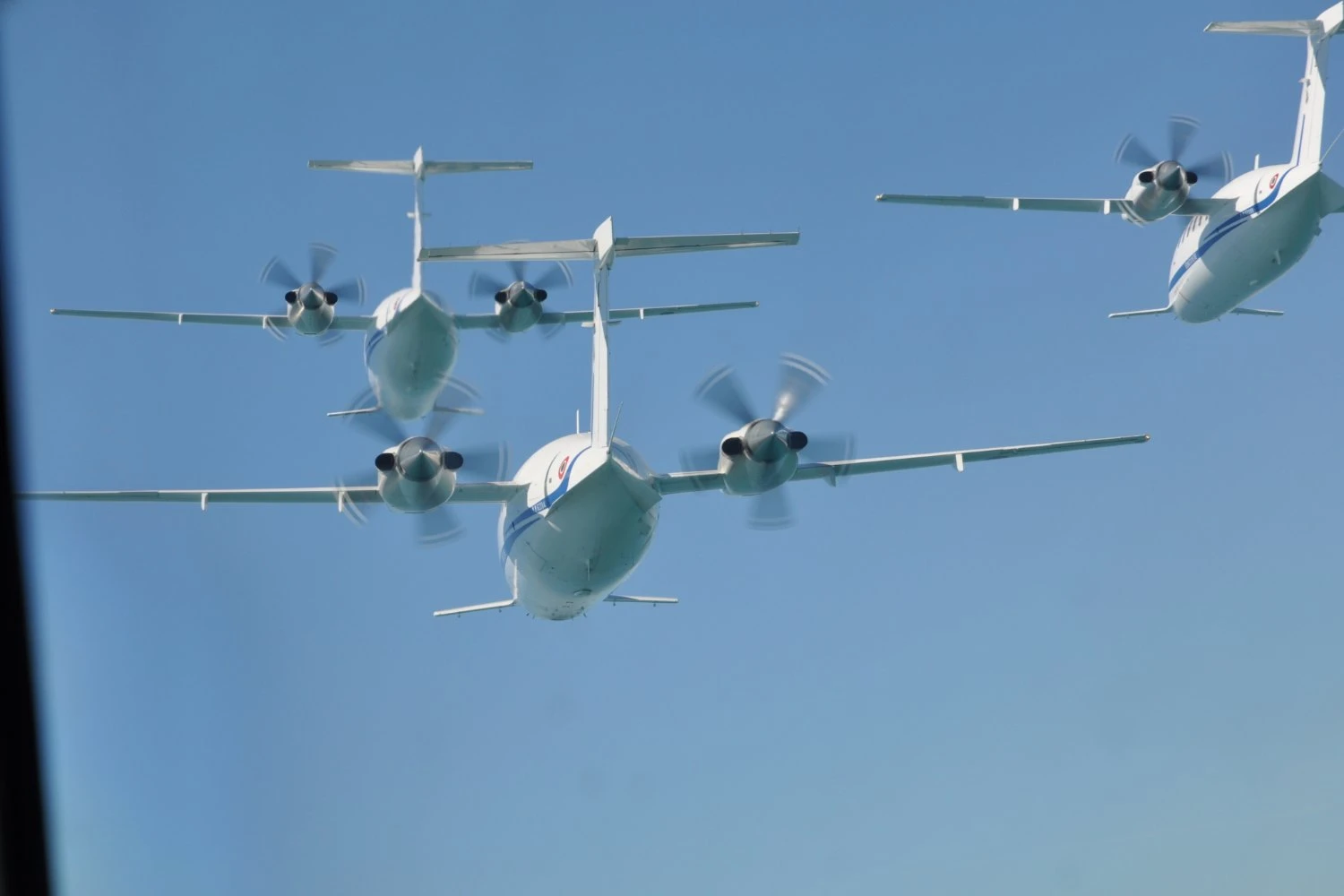
Images shared by Piaggio Aerospace show at least eight P.180s taxiing together before aircraft from the formation took to the air. The company did not provide details about the occasion or identify exactly how many aircraft participated.
Follow Air Data News: WhatsApp | Instagram | LinkedIn | Twitter | Facebook
The number is nevertheless significant considering the size of the fleet. Recent figures indicate that the Aeronautica Militare operates ten P.180s, meaning that the formation apparently involved a substantial proportion of its available aircraft.
Italy is by far the P.180’s most important military customer. In addition to the Air Force fleet, the Italian Army and Navy operate another six aircraft between them, although there is no indication that their P.180s participated in the formation shown by Piaggio.
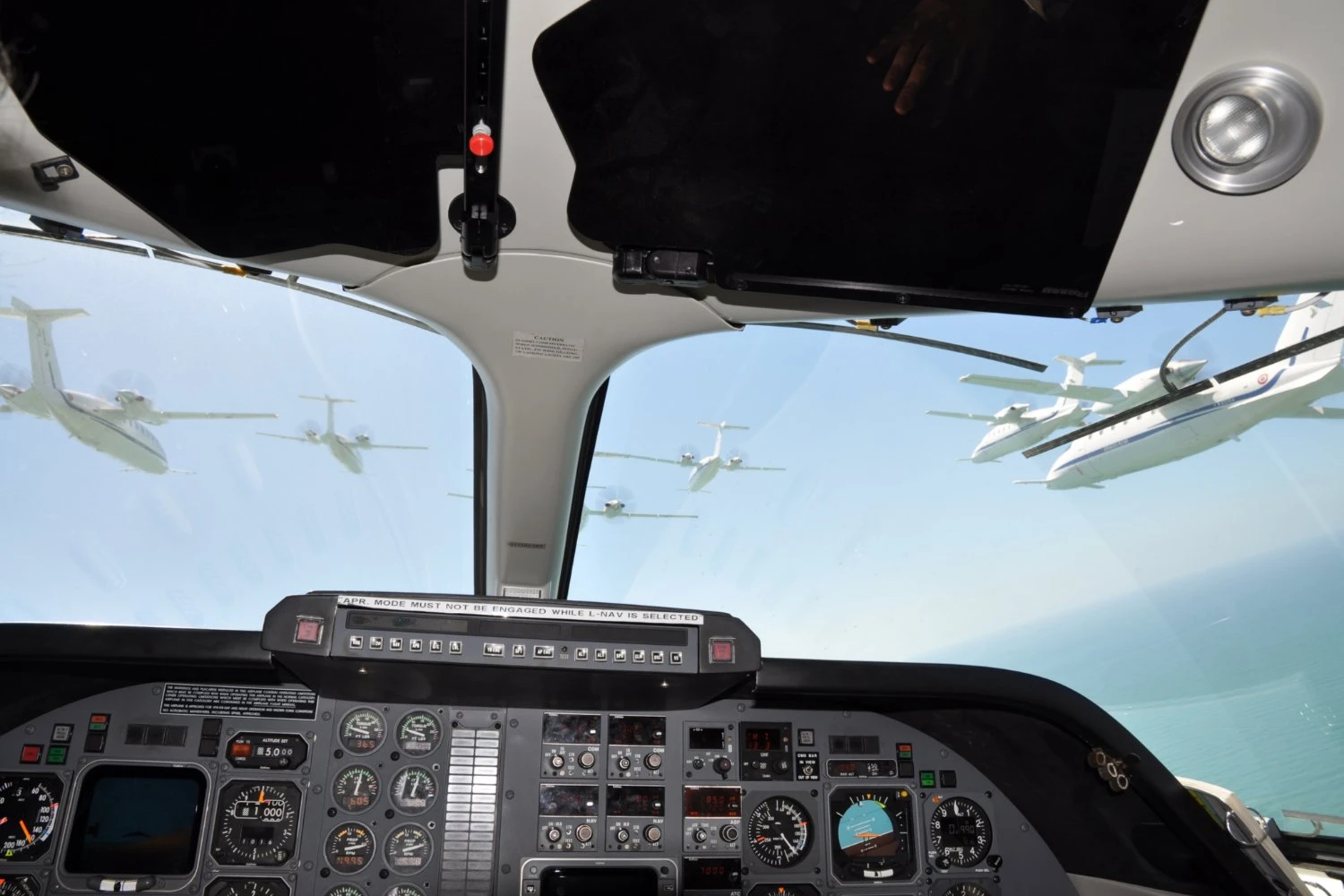
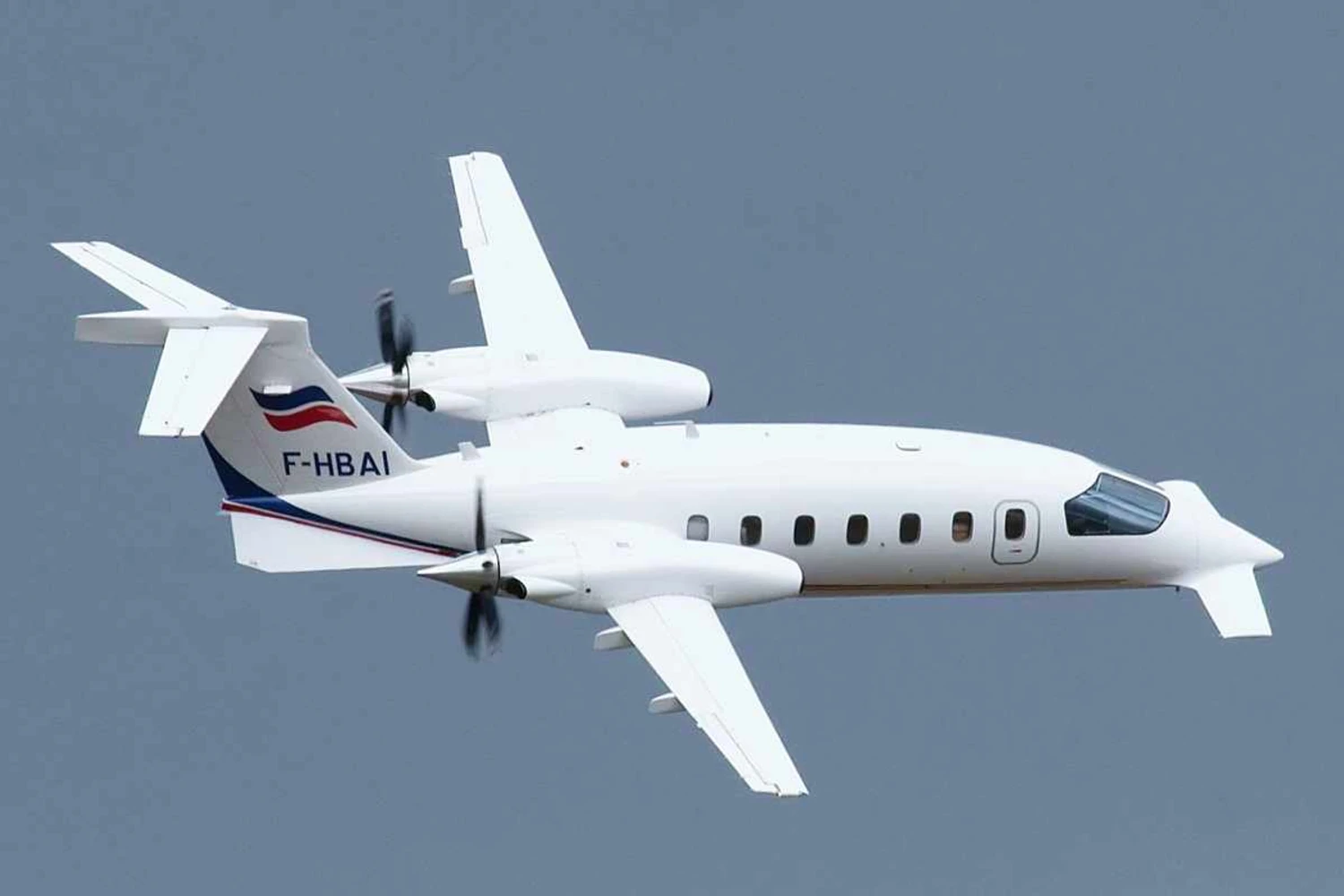
The Avanti is particularly recognizable because of its unconventional configuration. It combines a small forward wing, a conventional main wing and two rear-mounted Pratt & Whitney Canada PT6 engines driving pusher propellers. The configuration gives the aircraft a cabin comparable to some business jets while retaining turboprop operating characteristics.
Italian military P.180s perform several duties, including personnel transport, training and flight inspection. The aircraft has also provided Piaggio with an important domestic customer during a difficult period for the manufacturer.
New aircraft and upgraded older P.180s
The images come shortly after Piaggio completed an important delivery program for the Italian Air Force.
In July, the manufacturer delivered the last P.180 Avanti EVO+ from an initial nine-aircraft order placed in 2019. Five were configured for transport, medical evacuation and training duties, while four were intended for radio-navigation aid inspection missions.
The latest aircraft went to the Air Transport Training School at Pratica di Mare, where the P.180 is used in the preparation of pilots moving into transport aviation.
Italy is simultaneously upgrading older aircraft rather than replacing its entire P.180 fleet with newly manufactured examples. Piaggio has developed a retrofit that brings earlier Avanti I aircraft to the Avanti II+ standard, incorporating updated avionics and changes to systems including landing gear steering, antiskid and brakes.
The first modernized aircraft was delivered in 2023, with the program intended to cover another 12 airframes.
That combination of new production and upgrades has given the P.180 an unusually long military career. The original aircraft first flew in 1986, yet Italy continues to invest in the type nearly four decades later.
Piaggio emerges from years of uncertainty
The formation also comes at a very different moment for the company that built the aircraft.
Piaggio Aerospace entered extraordinary administration in December 2018 after suffering severe financial problems. The Italian government spent years seeking a buyer while the company continued aircraft production, maintenance and engine activities, with government contracts helping sustain its operations.
That period finally ended in June 2025, when Turkish drone manufacturer Baykar completed its acquisition of Piaggio Aero Industries and Piaggio Aviation. Italy approved the transaction under its Golden Power rules, which allow the government to impose conditions on acquisitions involving assets considered strategically important.
Under its new owner, Piaggio is now attempting to expand the Avanti business again rather than simply supporting the existing fleet.
The company is developing another evolution known as the Avanti NX and announced its first customer for the version earlier this year, with an order for two aircraft. Baykar has also outlined plans to increase production substantially over the coming years.
For the Italian Air Force, meanwhile, the recent delivery of new aircraft and modernization of older examples means the peculiar three-surface, twin-pusher P.180 is likely to remain a familiar sight for years — even if seeing so many of them together remains decidedly uncommon.