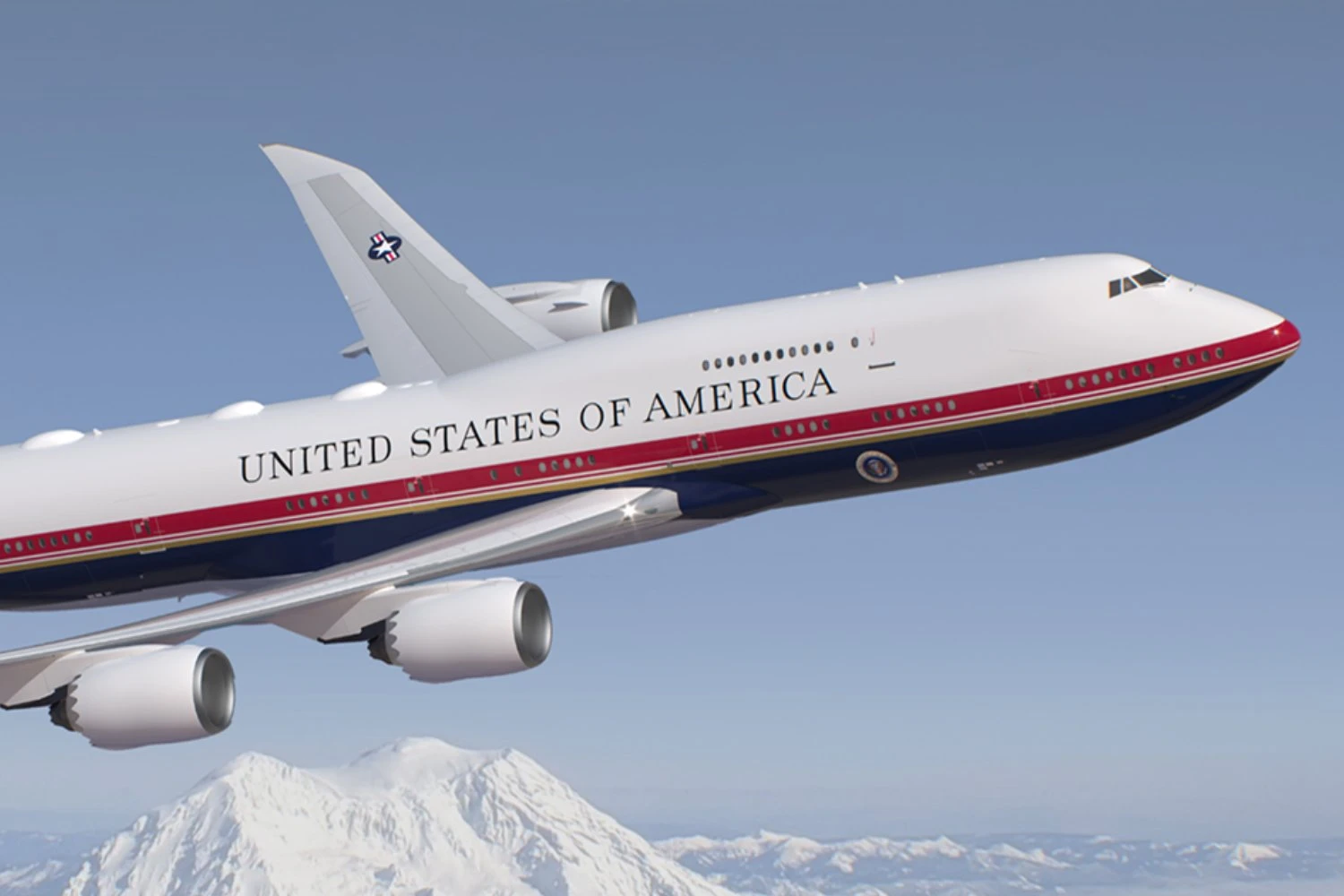
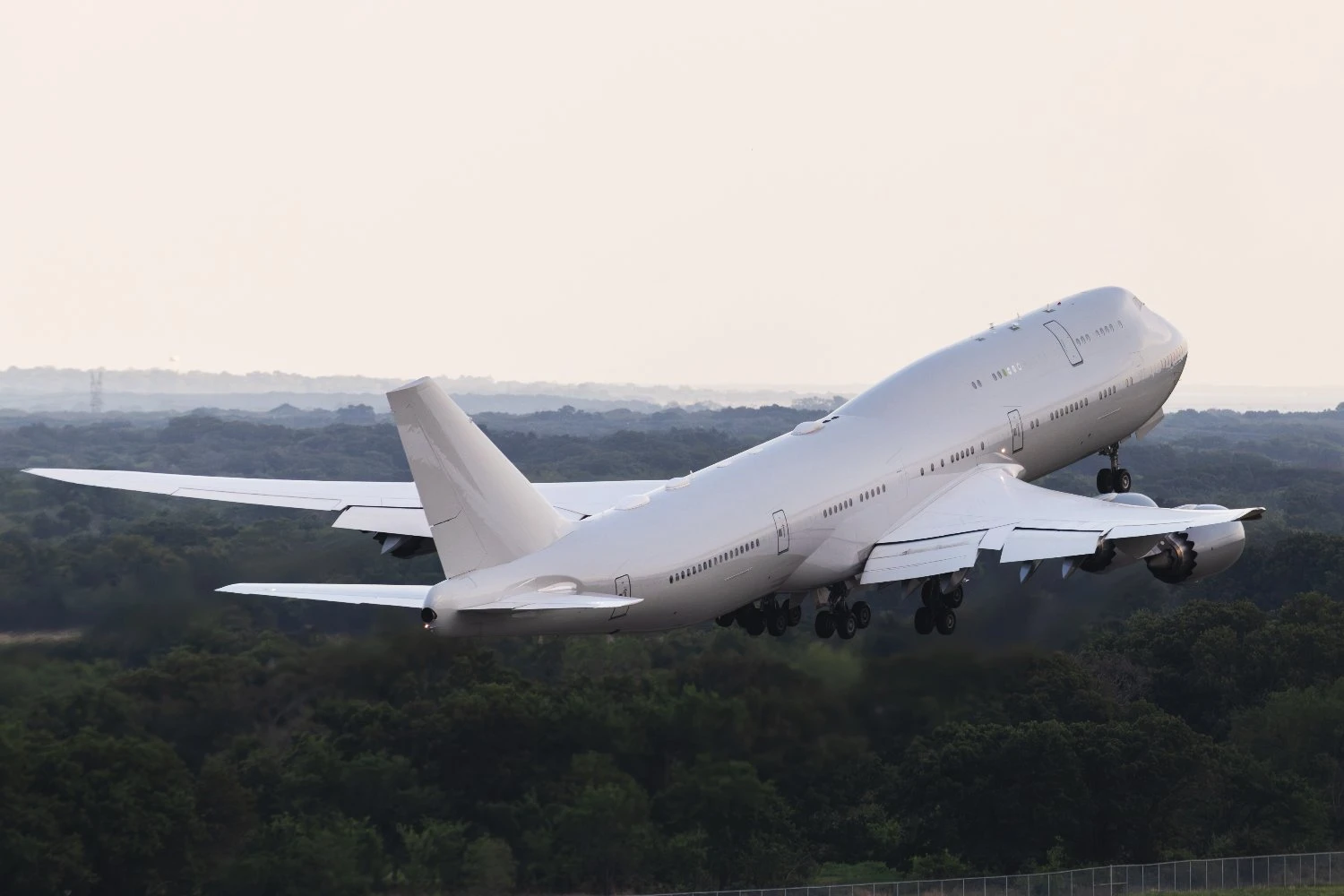
The two Boeing 747-8s being converted into the next US presidential aircraft have required extensive structural repairs because of a manufacturing problem affecting the type, adding more work to a VC-25B program already delayed by several years.
Cracks were found in fuselage stringers on both aircraft, prompting inspections of 1,592 splice locations, 796 on each jet. Earlier US Air Force program documents identified 28 cracked stringers around door areas and another six suspected of cracking.
The problem was not unique to the future Air Force One aircraft. Boeing had identified stress-corrosion cracking at similar locations on commercial 747-8s, and the Federal Aviation Administration subsequently required inspections and repairs across affected aircraft.
The FAA linked the cracks to excessive sustained internal stresses associated with gaps at stringer splice locations that were either not shimmed or had shims outside engineering requirements during manufacturing.
Follow Air Data News: WhatsApp | Instagram | LinkedIn | Twitter | Facebook
The Government Accountability Office (GAO) later found that the cracks on the VC-25Bs occurred in the same areas identified on commercial 747-8s. Repairs initially expected to be completed years ago have continued as Boeing works on the two presidential aircraft.
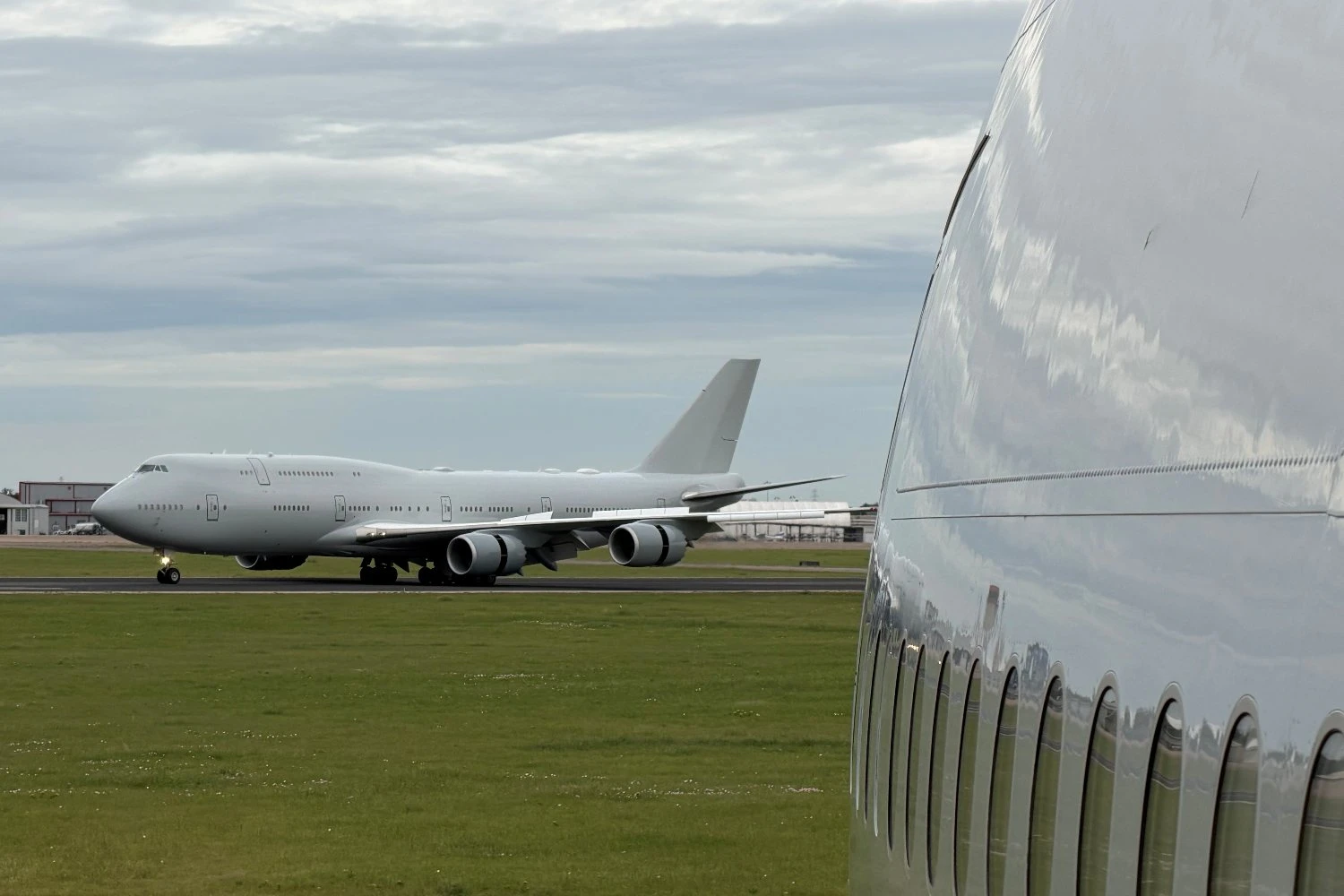
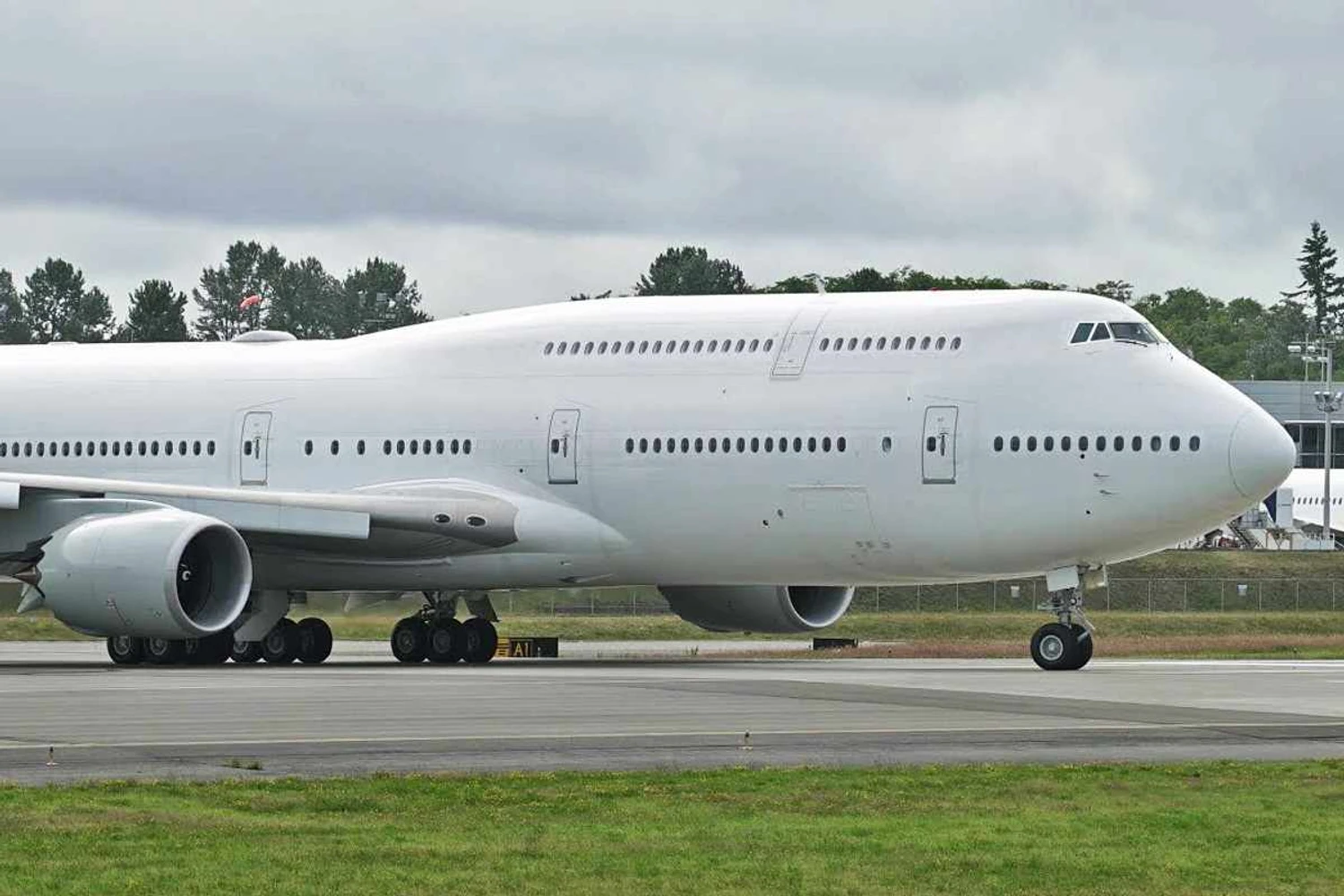
The issue is particularly unusual because neither 747-8 has accumulated years of airline operations. Both aircraft were built for a customer that disappeared before taking delivery and have never entered commercial service.
From Russian airline to US Air Force
Boeing originally manufactured the two 747-8 Intercontinentals for Transaero, then one of Russia's largest airlines. The carrier collapsed in 2015 before taking delivery, leaving Boeing with two completed aircraft without an operator.
After completing test activities, Boeing eventually moved both aircraft to Southern California Logistics Airport in Victorville in February 2017. The airport, located in California's Mojave Desert, is widely used for long-term aircraft storage.
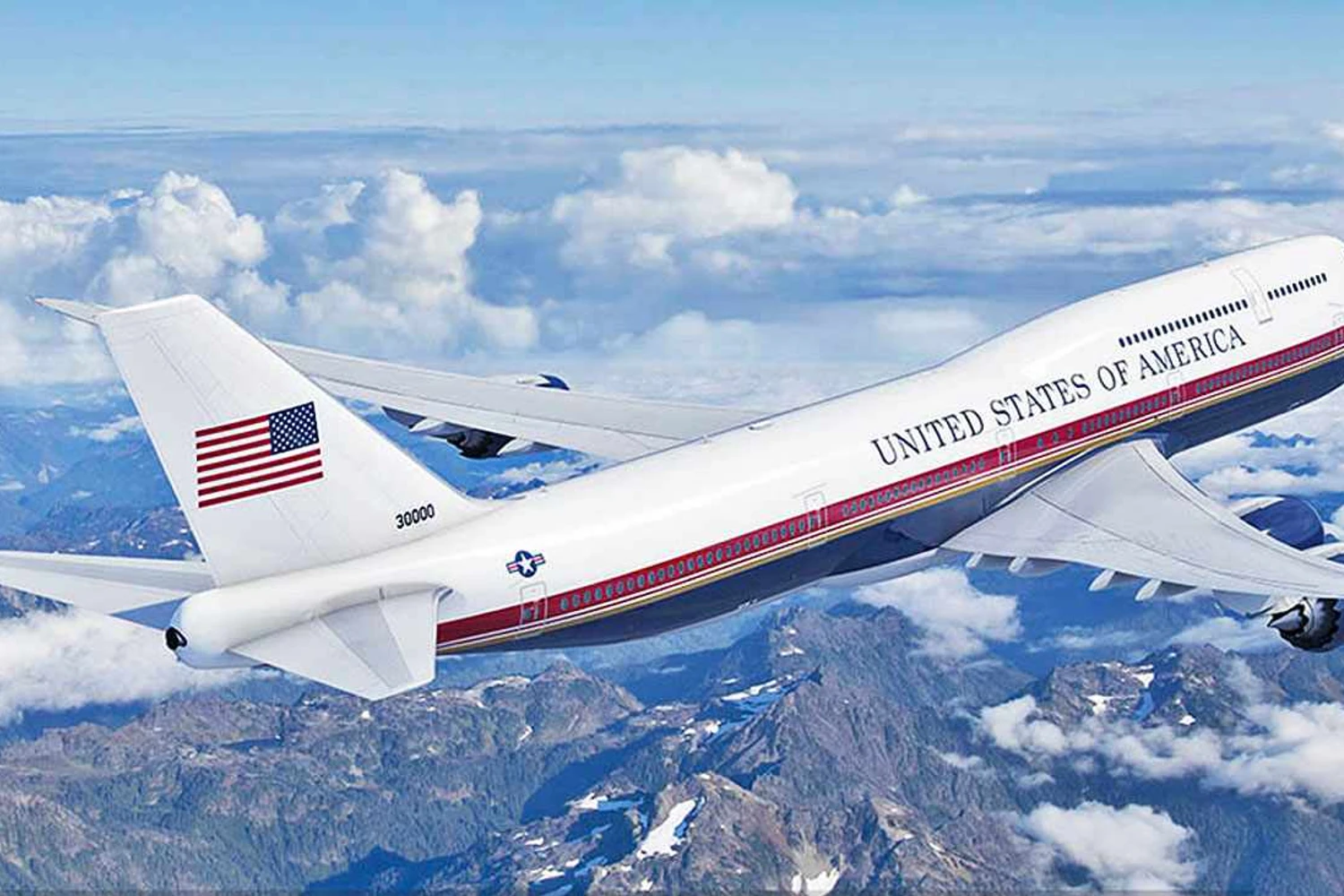
The US Air Force agreed to acquire the two aircraft from Boeing in August 2017 for the VC-25B program. Instead of having Boeing manufacture two additional 747-8s specifically for presidential use, the service would start with the already completed Transaero airframes and have them extensively modified.
The aircraft did not leave Victorville immediately after the acquisition. The first remained there until March 2019, while the second left in April. Each therefore spent more than two years in storage before being ferried to Boeing's facility in San Antonio, Texas.
There is no evidence linking that period in the desert to the structural cracks. Victorville's dry climate is one reason the location is used for aircraft storage, while government documents associate the stringer problem with manufacturing and record similar cracking elsewhere in the 747-8 fleet.
Complex conversion
Once in San Antonio, the two former commercial aircraft had to be stripped and rebuilt for a mission considerably different from that envisioned when they left Boeing's production line.
The conversion includes changes to the electrical system, secure communications, defensive systems, presidential accommodation and medical facilities. The VC-25B must also be able to operate with less dependence on ground infrastructure than a commercial 747.
The work differs from simply fitting a VIP interior to an existing airliner. Much of the aircraft is being modified to meet military and presidential requirements, while Boeing and the Air Force must also certify the changes.
Recent news
September 04, 2026
September 04, 2026
September 04, 2026
The stringer inspections and repairs became another task within that process. The GAO reported that the Air Force, Boeing and FAA had assessed the cracking and determined that it did not create an immediate safety concern provided affected areas were inspected during scheduled maintenance.
The structural issue is only one of several difficulties encountered by the program. Boeing has also faced problems involving wiring, interiors, suppliers and workforce availability during the conversion.
Years behind schedule
The two VC-25Bs were originally expected to replace the current presidential aircraft much earlier. Delivery schedules subsequently moved into 2027 and have slipped again, with the first aircraft now expected in 2028.
Boeing is performing much of the work under a fixed-price contract and has recorded billions of dollars in charges associated with the program as costs increased and schedules moved.
The delays have forced the Air Force to continue operating its two VC-25As, which are based on the much older Boeing 747-200B. Those aircraft entered service in 1990 and 1991.
Unlike their replacements, the VC-25As were built from the outset for the Air Force. The VC-25Bs began as commercial aircraft for a Russian airline, were left without a customer, spent more than two years stored in the Mojave Desert and were then selected for one of the most demanding aircraft conversion programs in the world.
The two airframes have now been in Boeing's San Antonio facilities for more than seven years, despite never having entered airline service before their conversion began.