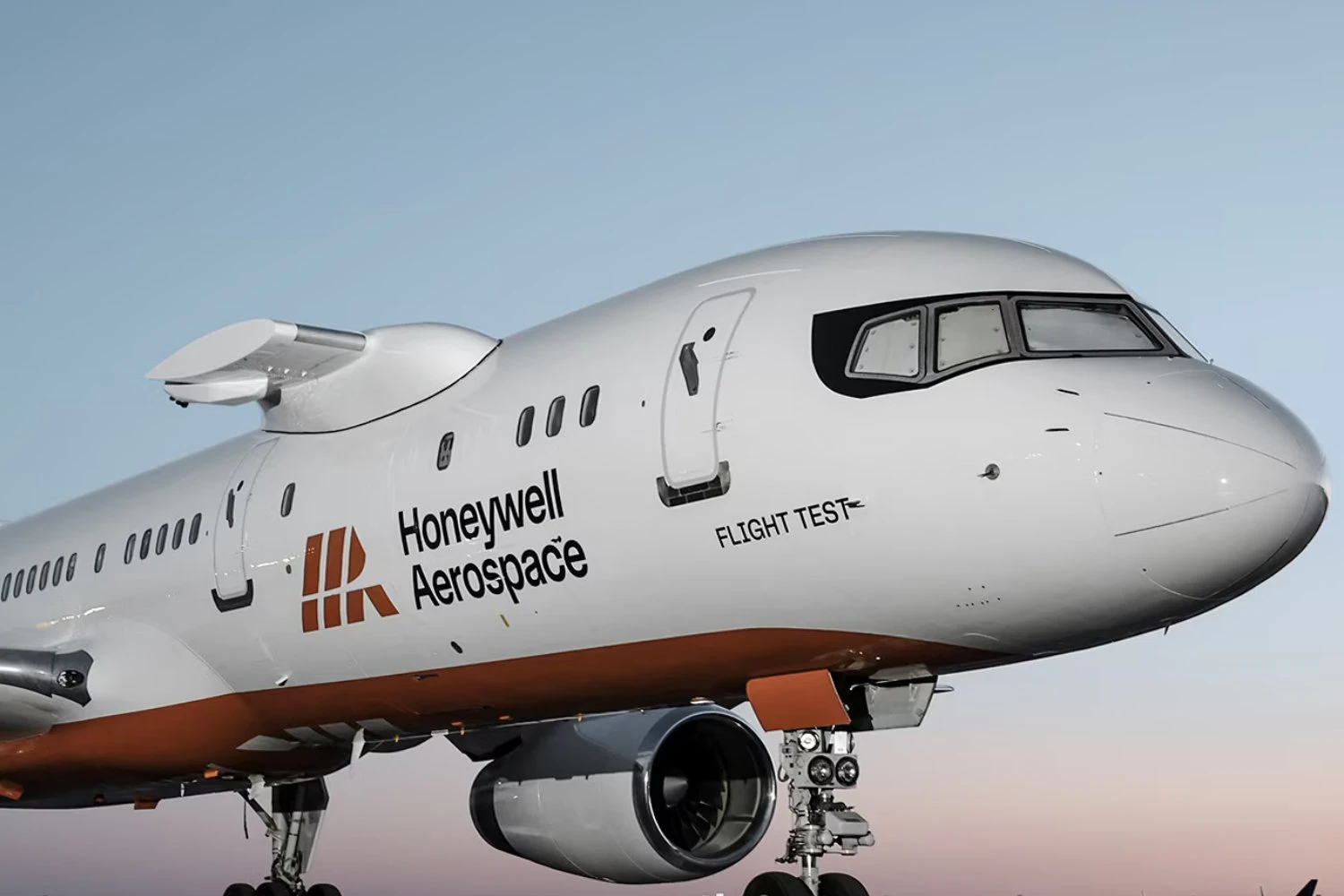
Honeywell Aerospace began trading independently on the Nasdaq on Monday, completing the first stage of the breakup of industrial conglomerate Honeywell into three standalone companies.
Shares of the new company opened at US$ 236.78, above the US$ 221.01 price established during when-issued trading that preceded the separation.
Related news
The spin-off creates one of the world's largest dedicated aerospace suppliers, with about US$ 15 billion in annual revenue and a portfolio spanning commercial aviation, defense and space. Honeywell Aerospace expects annual sales to grow between 7% and 9% this year and has projected adjusted earnings of US$ 6.5 billion by 2030.
Unlike aircraft manufacturers such as Airbus and Boeing, Honeywell supplies systems and equipment used across thousands of aircraft. Its products include aircraft engines for business and military aviation, auxiliary power units (APUs), avionics, weather radar, flight management systems, navigation equipment, wheels, brakes, black boxes and satellite communications.
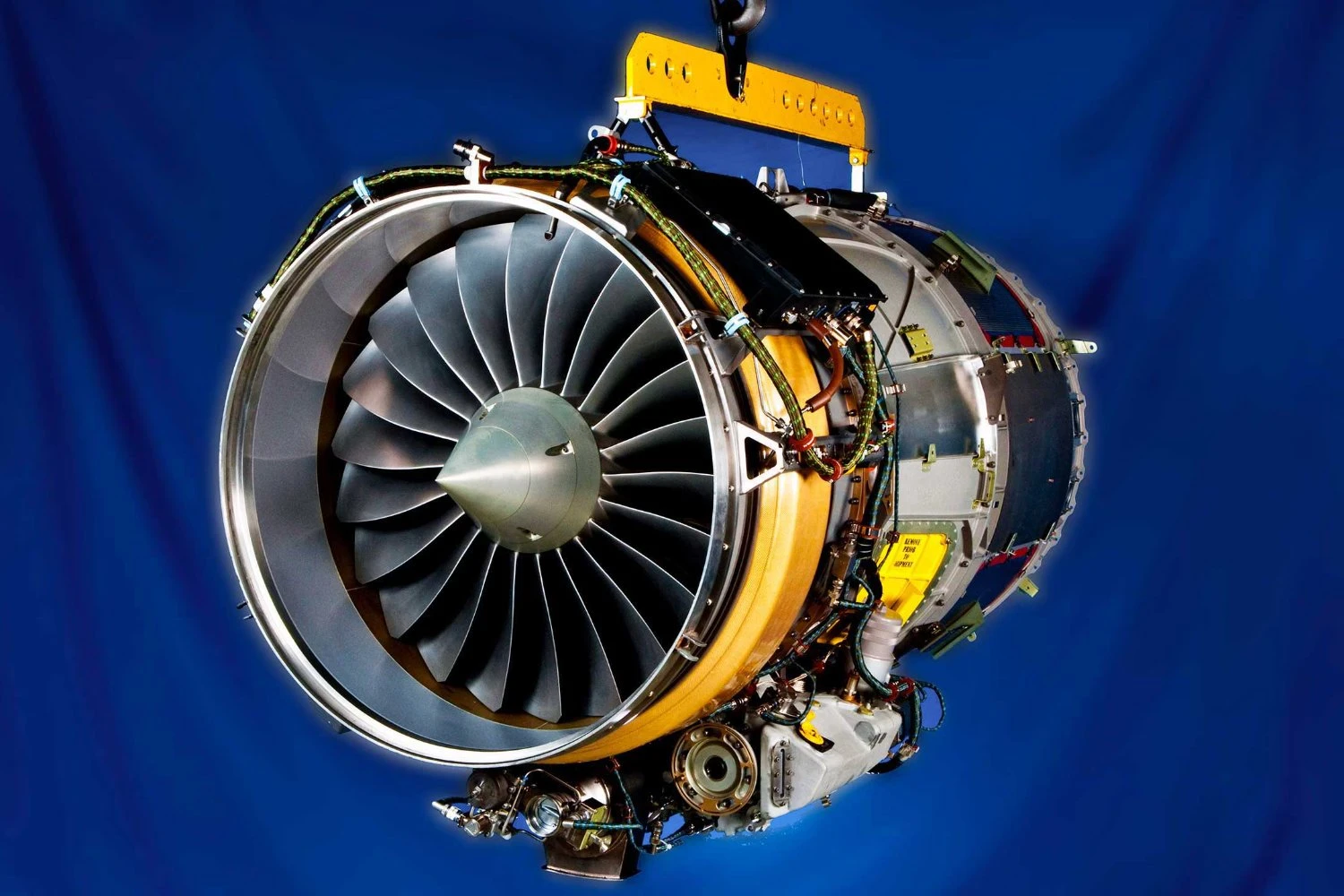
The company also develops cockpit technologies such as synthetic vision systems, runway awareness software and ground proximity warning systems that have become standard safety equipment on modern aircraft. Honeywell equipment is installed on aircraft ranging from business jets to regional airliners, helicopters and military transports.
Its propulsion business includes the TFE731 family of business jet engines, the HTF7000 used on aircraft such as the Gulfstream G280 and Bombardier Challenger 300, and the F124 engine that powers military trainers including the Leonardo M-346. Honeywell also produces the widely used 131-9 auxiliary power unit installed on Boeing 737NG aircraft and many Airbus A320-family jets.
Follow Air Data News: WhatsApp | Google News | Instagram | LinkedIn | Twitter | Facebook
Alongside aviation, Honeywell Aerospace is a major defense supplier, producing engines for military helicopters and armored vehicles, navigation systems, satellite equipment and technologies for space missions. The company has also participated in modernization programs such as the U.S. FAA's NextGen air traffic management initiative and Europe's SESAR program.
Honeywell Aerospace now joins GE Aerospace as a standalone aerospace company following the breakup of large U.S. industrial groups. Earlier this year, Honeywell announced plans to split its aerospace, automation and advanced materials operations into independent companies, a process expected to conclude during 2026.