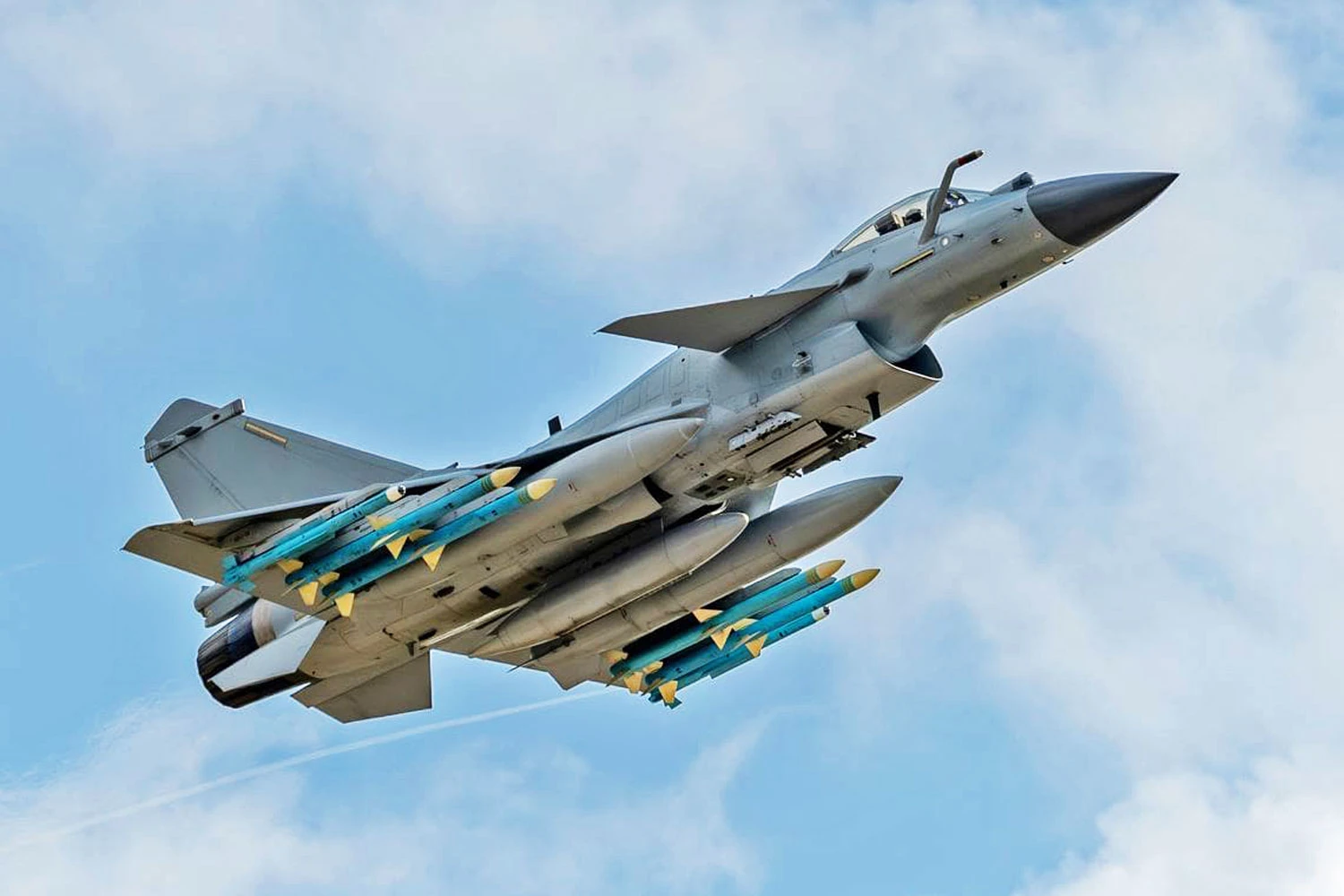
Uzbekistan may be moving closer to becoming another operator of China’s Chengdu J-10CE fighter, but publicly available information still falls short of confirming reports that the aircraft have already been delivered.
Several defense publications have recently reported that the first J-10CEs have reached Uzbekistan. Some accounts go further, referring to serial numbers reportedly assigned to Uzbek aircraft. What has yet to emerge, however, is evidence that would settle the matter: photographs showing J-10CEs carrying Uzbek markings or operating from an identifiable Uzbek air base, or an unequivocal announcement from either the Chinese or Uzbek governments.
That does not make an acquisition unlikely.
Uzbekistan has been linked to Chinese fighters for some time as it considers the future of an air combat fleet still largely based on Soviet-designed aircraft, including the MiG-29 and Su-27.
Related news

September 11, 2026
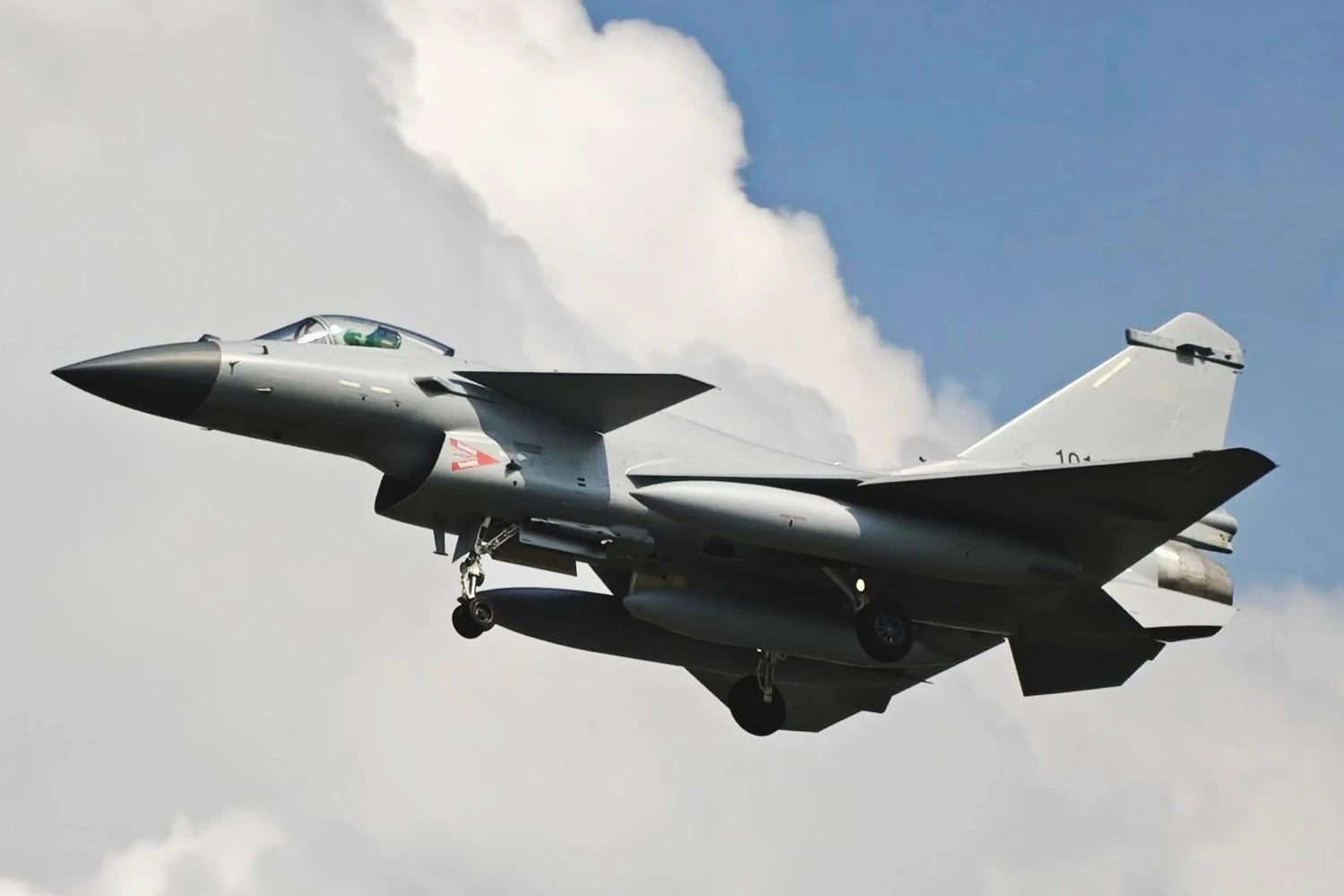
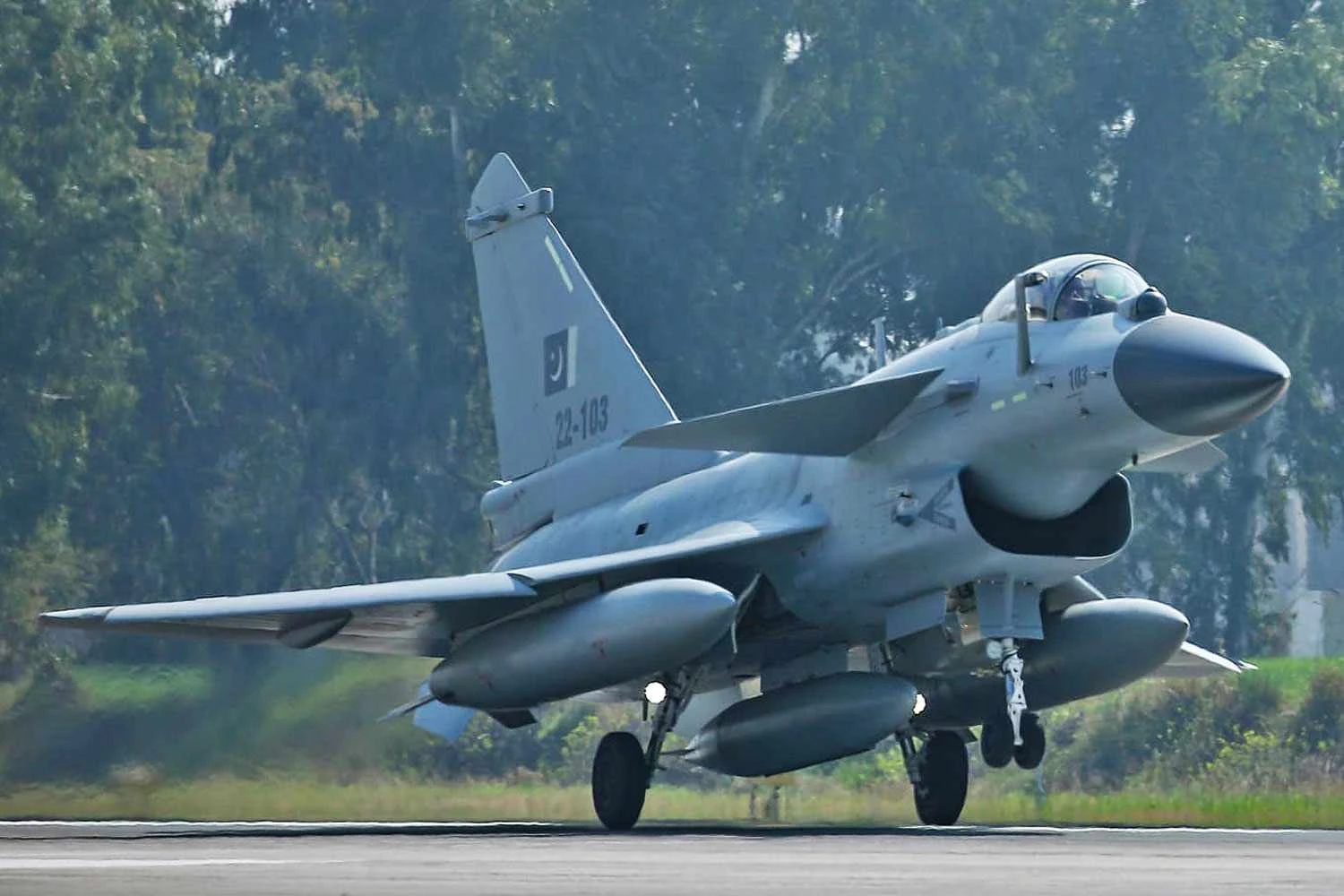
In 2025, reports initially focused on the possibility of Uzbekistan acquiring the JF-17 Block III, jointly developed by China and Pakistan. Attention later shifted toward the larger and more capable J-10CE.
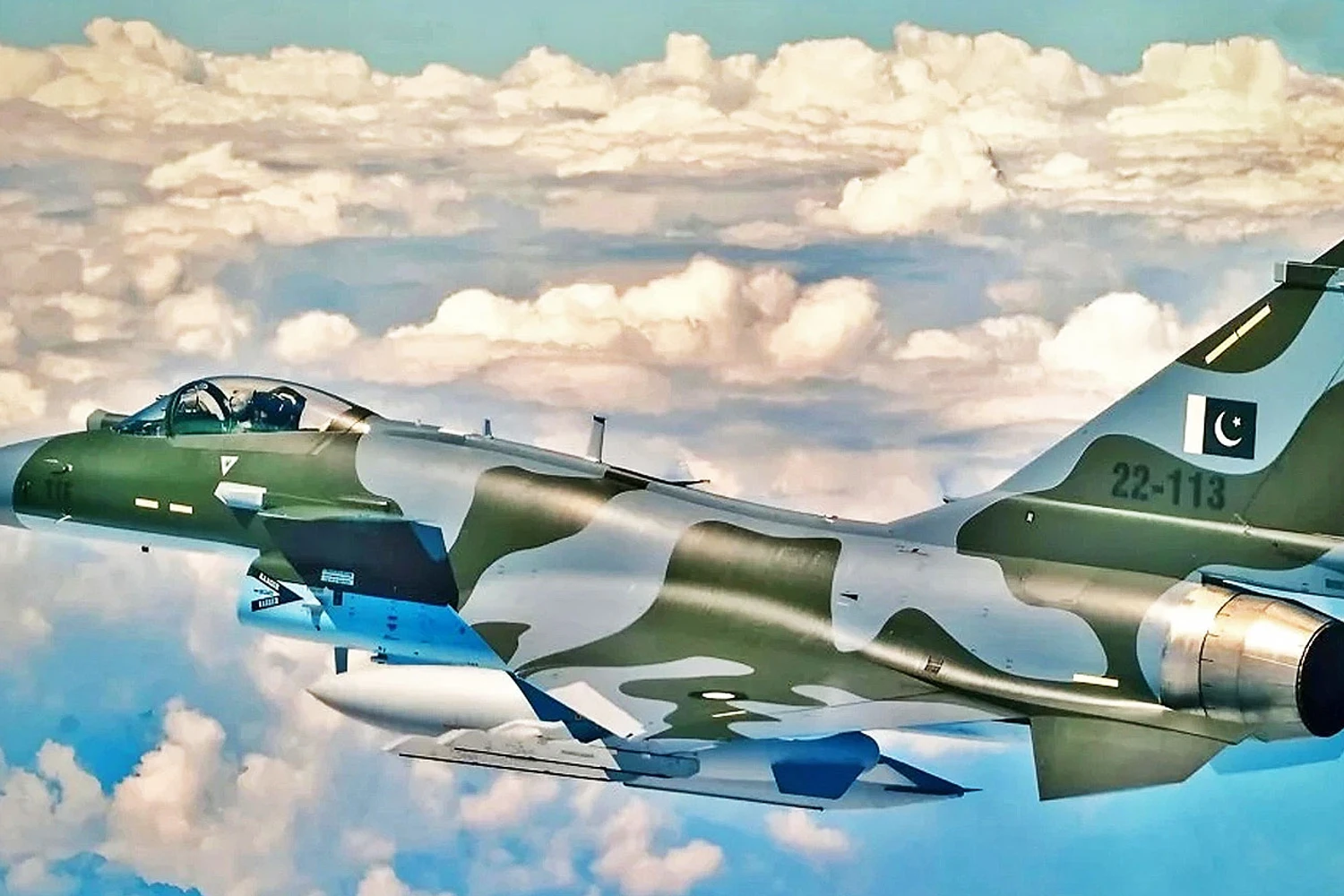
The J-10CE is the export version of the J-10C operated by China’s People’s Liberation Army Air Force. Equipped with an active electronically scanned array radar and able to employ the long-range PL-15E air-to-air missile, the aircraft has become one of China’s most important combat aircraft exports.
Pakistan is its best-established foreign operator. The J-10CE gained considerably greater international attention following the May 2025 clashes between Pakistan and India, when Islamabad said Chinese-made fighters and missiles had been used against Indian aircraft.
New export J-10CEs are real, but their customer remains unclear
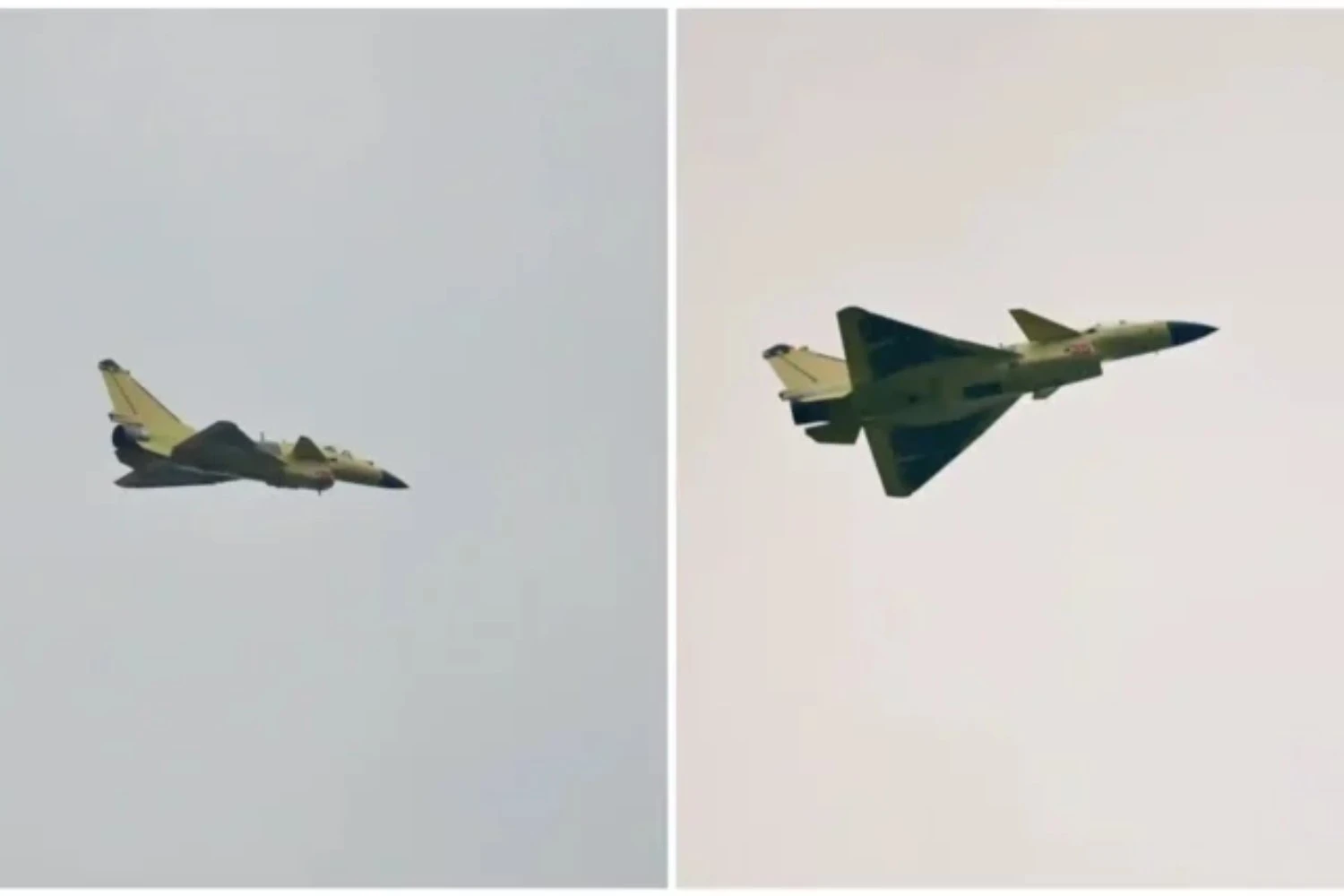
There is physical evidence that Chengdu has produced another batch of J-10CEs for export.
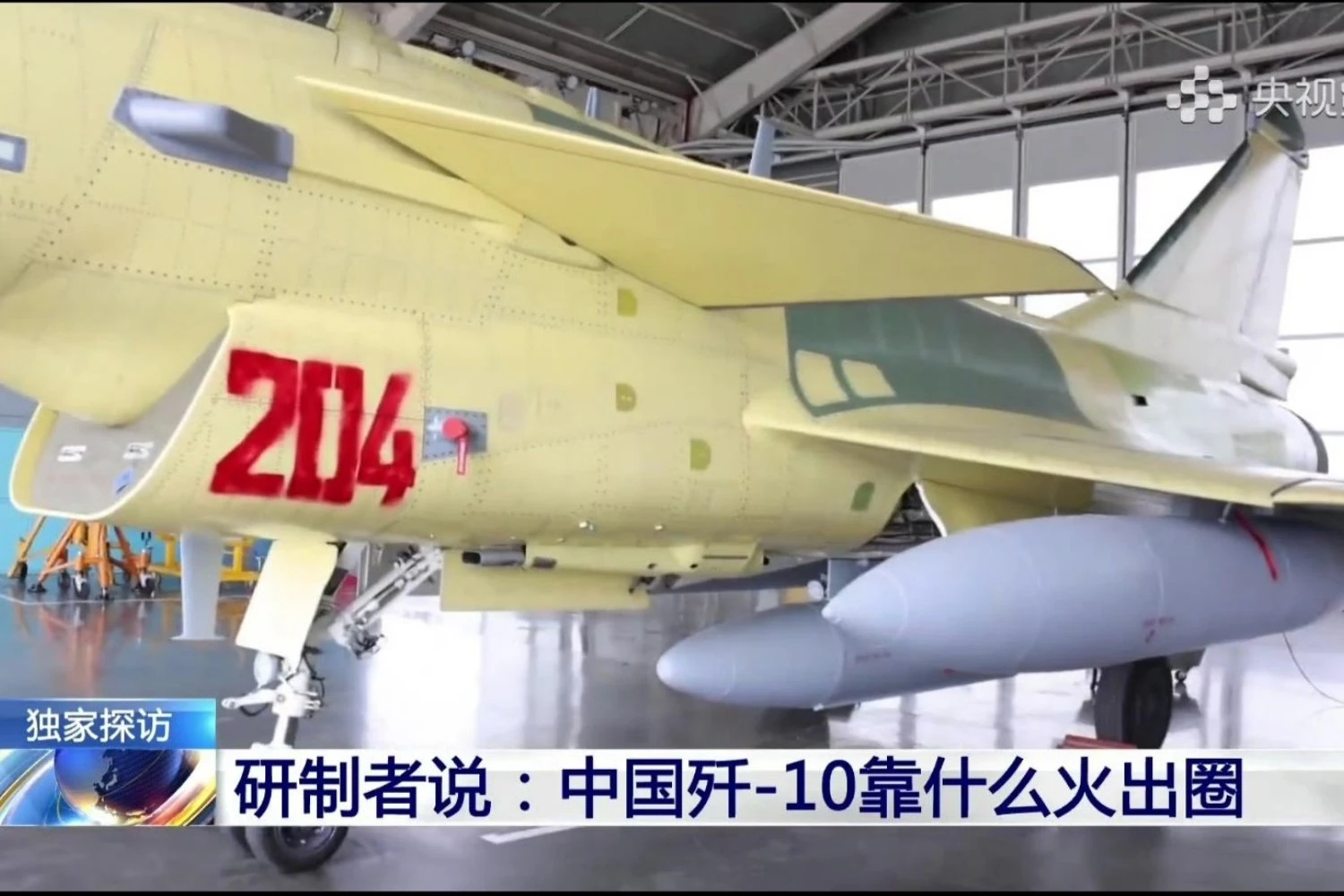
Aircraft carrying the numbers 204, 205 and 206 have been photographed at Chengdu. Their appearance provided evidence of additional export production beyond the J-10CEs already supplied to Pakistan, but the photographs themselves did not identify the customer.
When aircraft 204 was spotted in June 2025, Chinese military aviation observers considered several possible customers, including Uzbekistan, Egypt and Indonesia.
Follow Air Data News: WhatsApp | Instagram | LinkedIn | Twitter | Facebook
This distinction has become important as reports about Uzbekistan have accumulated. Photographs of these aircraft confirm that additional export J-10CEs exist; they do not establish where those fighters ultimately went.
More recent claims have associated J-10s carrying serials in the 101X and 102X ranges with Uzbekistan. Chinese military aviation observer Hûrin, who has followed the unidentified export aircraft, said in August that the fighters had apparently been delivered to Uzbekistan, while describing the serial information itself as alleged.
Andreas Rupprecht, an author and longtime observer of Chinese military aviation, subsequently noted the absence of the additional evidence that normally emerges when reports of this kind can be confirmed.
No publicly available photograph showing one of these aircraft in Uzbek service has surfaced so far.
Reports of earlier deliveries are also difficult to verify
Another part of the story concerns reports that Uzbekistan ordered 24 J-10CEs and received its first two aircraft in July 2025.
That account has since appeared in several defense publications, sometimes described as an officially confirmed delivery. However, a search of Uzbek, Russian, Chinese and English-language sources does not reveal the original government announcement that would substantiate that description. Uzbek media have remained notably more cautious.
In July 2026, Uzbek outlet Qalampir reported claims that the country could acquire 24 J-10CEs but said no official information about such an agreement had been released.
Kun.uz also examined reports that additional aircraft had arrived in Uzbekistan. The outlet contacted the Uzbek Defense Ministry and reported that officials had no information to provide on the subject.
There is a similar absence on the Chinese side. Searches of Chinese government and defense industry sources have not produced an announcement from the Ministry of National Defense, AVIC or CATIC confirming a J-10CE contract with Uzbekistan or deliveries to the country.
Chinese reports discussing the possible Uzbek acquisition have generally relied on foreign media or military observers rather than a Chinese government or industry announcement. None of this rules out a contract.
Defense acquisitions are frequently disclosed only after considerable delay, if they are formally announced at all. That can be particularly true of negotiations involving China and countries whose military procurement traditionally receives limited public scrutiny. Aircraft can also be produced and even delivered before governments disclose the existence or details of a contract.
Uzbekistan would also be a plausible customer for the J-10CE. The country needs to eventually replace Soviet-era combat aircraft, China can offer a modern fighter without dependence on Russian or Western suppliers, and the J-10CE is already an established export product rather than a program seeking its first customer.
For now, however, three separate elements are often being presented together despite having different levels of evidence: new J-10CE export aircraft have been photographed in China; Uzbekistan has repeatedly been associated with the type; and several sources report that deliveries have already taken place.
The first is documented. The second is credible and widely reported. The third still lacks the public evidence needed to establish that J-10CEs are now operating with the Uzbek Air Force.