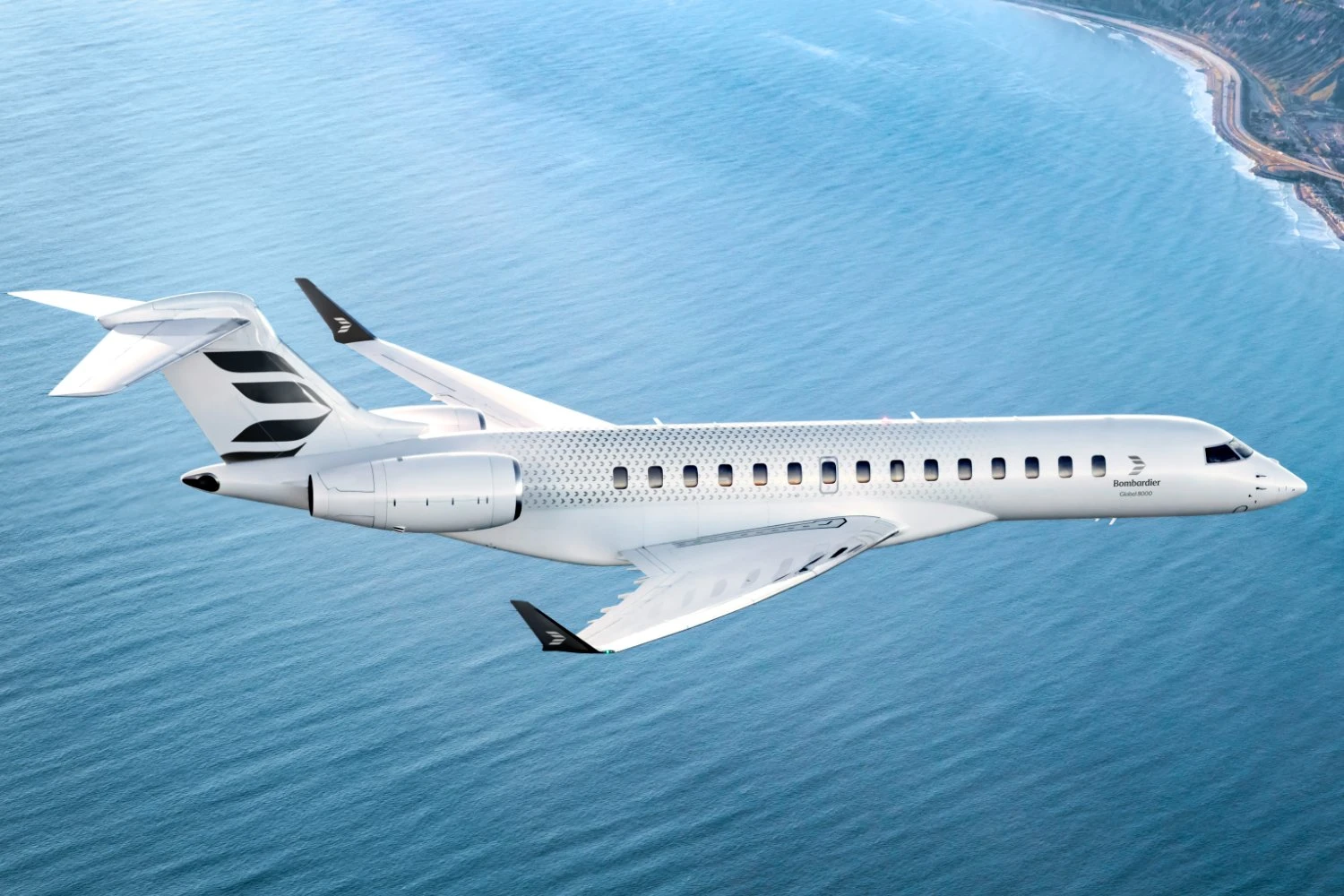
Germany is preparing to launch a competition for a new airborne electronic warfare aircraft based on the Bombardier Global 8000 business jet, aiming to strengthen its ability to disrupt and suppress enemy air defenses.
The country's defense procurement agency, BAAINBw, has finalized the documentation for a request for proposals and is awaiting final approval before formally launching the process, according to information reported by Aviation Week. The goal is to award a contract before the end of 2026.
The aircraft will serve as a standoff jammer, capable of conducting electronic attack missions from outside the range of hostile air defense systems. The capability is part of Germany's broader luWES program, which also includes escort and stand-in electronic warfare assets intended to support NATO operations.
Berlin plans to acquire an initial batch of six aircraft, with the possibility of expanding the fleet to 12 at a later stage. The accelerated timetable comes amid rising German defense spending and its participation in the alliance.
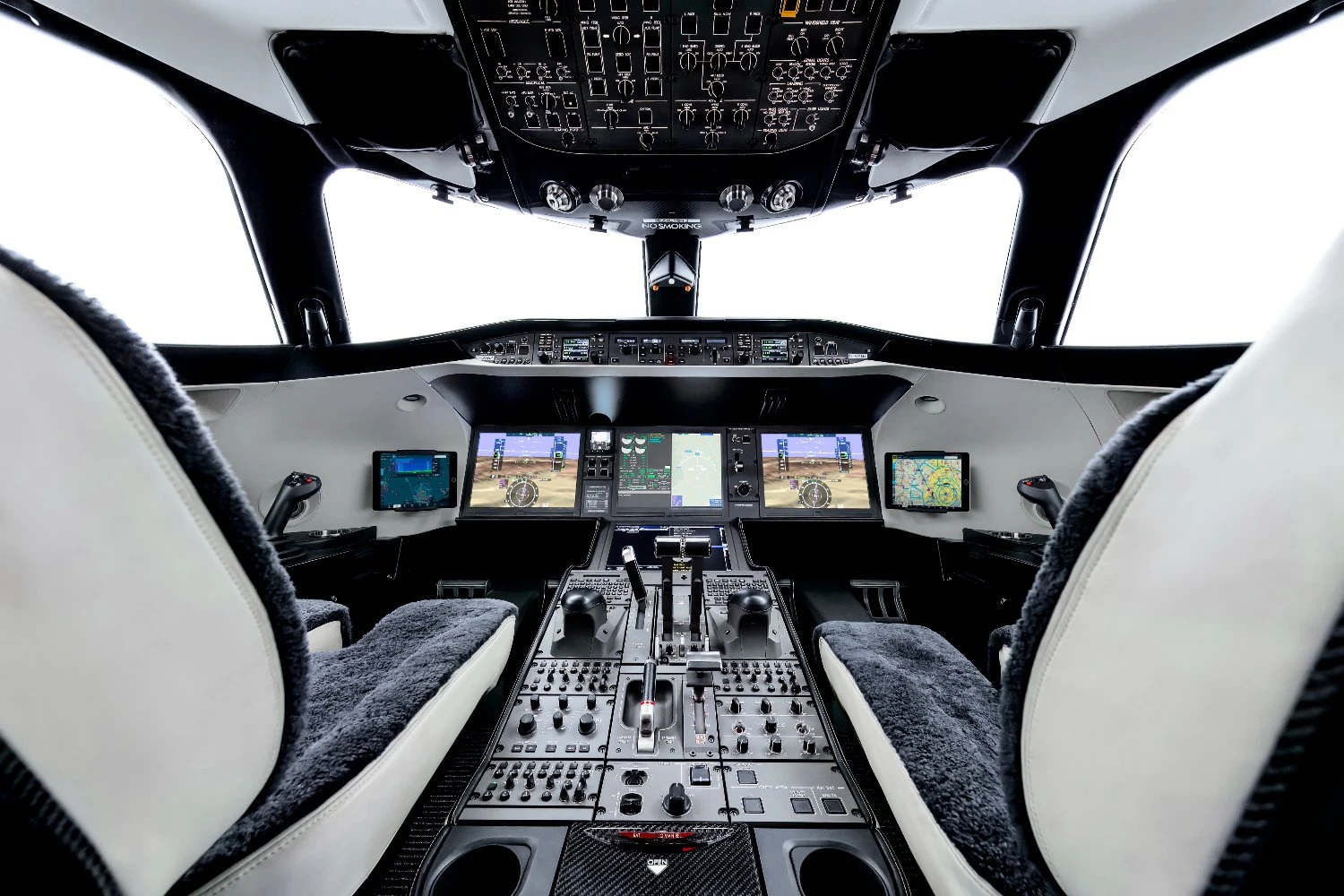
The program is expected to trigger competition among German defense companies seeking to become the prime contractor responsible for integrating the mission systems. Airbus and Hensoldt are seen as potential contenders, although some industry representatives have advocated a joint approach.
Germany previously evaluated the Airbus A400M transport aircraft for the mission before shifting its attention to business jets. The Bombardier Global 6500 and Global 8000 emerged as the leading candidates, with the government ultimately favoring the newer Global 8000 because of its greater size, range and performance.
If selected, the German program would become one of the first military special-mission applications of the Global 8000, Bombardier's latest ultra-long-range business jet.
The effort comes as Germany also explores future electronic warfare concepts. During the ILA Berlin Air Show, defense technology company Helsing unveiled a concept for an electronic attack version of its CA-1 Europa collaborative combat aircraft, which it says could enter service around 2031.