 Air Transport
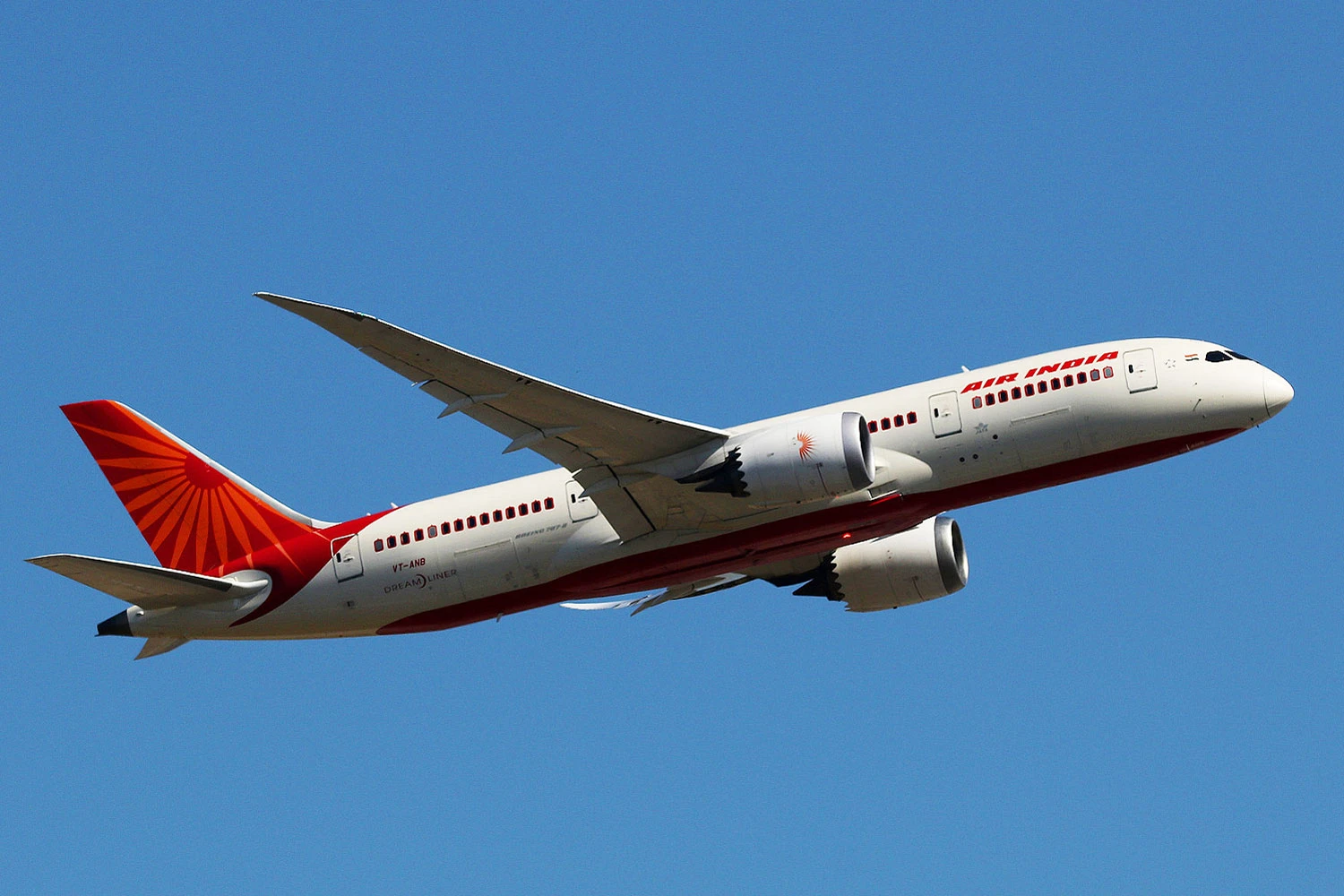
A preliminary report released by Indian investigators has revealed cockpit confusion moments before the tragic crash of an Air India Boeing 787 Dreamliner on June 12, which resulted in 260 fatalities, making it the deadliest aviation disaster in a decade.
According to the Aircraft Accident Investigation Bureau (AAIB), the aircraft, which had departed from Ahmedabad bound for London on the flight AI717, experienced an abrupt loss of engine power after both engine fuel cutoff switches were almost simultaneously flipped, cutting off fuel supply during the initial climb.
“The report raises questions about the location and design of these critical switches,” stated aviation experts. However, it does not attribute blame to Boeing or engine manufacturer GE Aerospace, noting no signs of mechanical failure.
Cockpit voice recordings captured a chilling exchange: one pilot asked the other, “Why did you cut off the fuel?”, to which the other responded that he had not done so.
The report does not clarify which pilot made each statement, nor who issued the “Mayday, Mayday, Mayday” distress call moments before the crash.
The captain, Sumeet Sabharwal (56), had logged over 15,600 flight hours and also served as an instructor. His co-pilot, Clive Kunder (32), had approximately 3,400 hours of flight experience.
Recovery attempts
The switches reportedly flipped within a second of each other, a time span consistent with manual movement, yet accidental activation is considered highly unlikely.
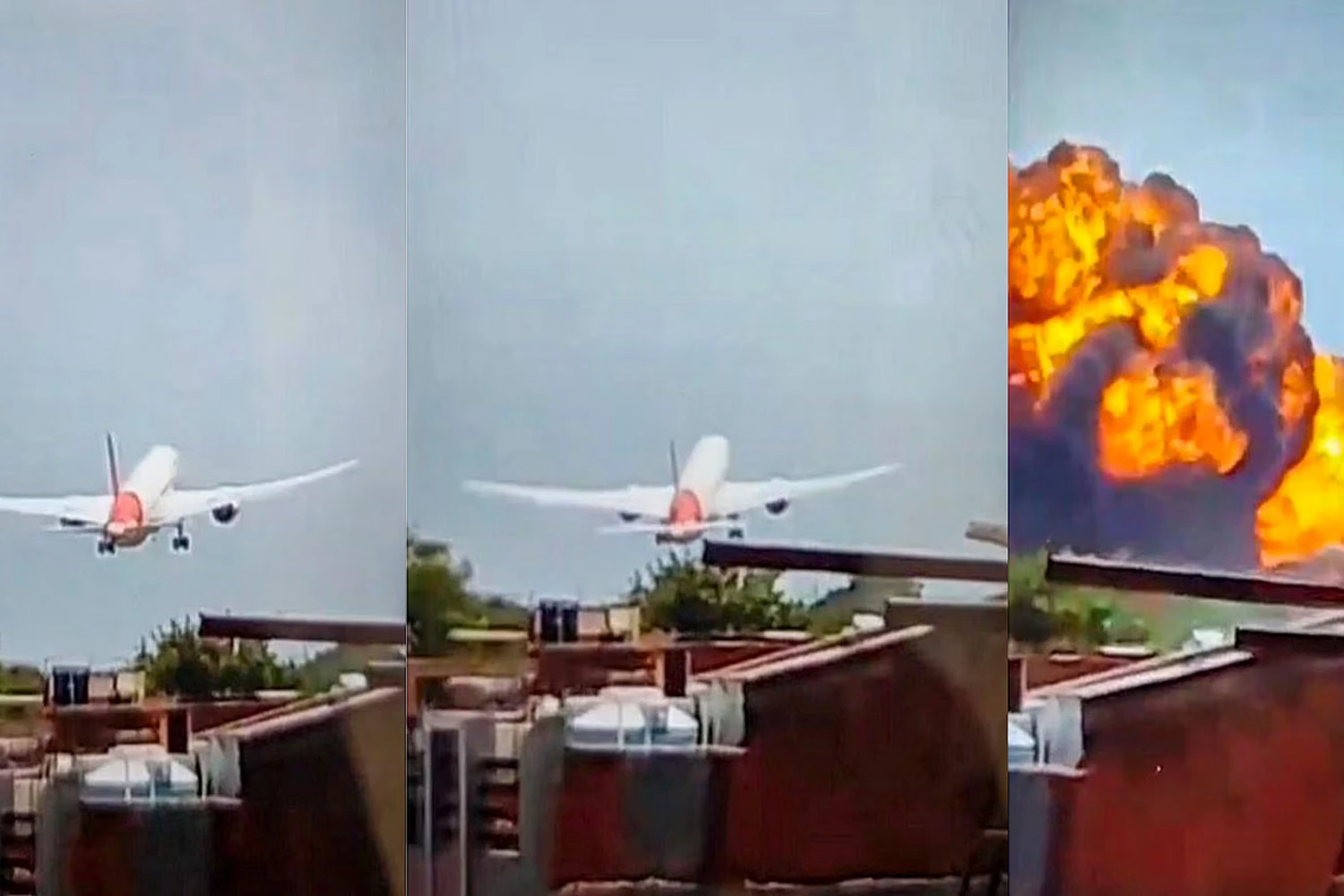
Despite signs of a restart attempt, both engines lost thrust, and the aircraft descended rapidly, with a ram air turbine deploying—a sign of engine power loss.
Although both switches were later found in the “run” position, indicating possible recovery attempts, the aircraft crashed at low altitude, killing 241 people onboard and 19 on the ground. A single passenger reportedly survived.
Air India acknowledged the report and stated it was cooperating with investigators. The U.S. National Transportation Safety Board (NTSB) and FAA expressed gratitude to Indian authorities and emphasized their commitment to safety reviews.
The crash adds pressure to the Tata Group, which assumed control of Air India in 2022 and has launched an ambitious campaign to revitalize the carrier’s image.
The company now faces heightened regulatory scrutiny: the EU Aviation Safety Agency plans to investigate Air India Express for failing to comply with engine directives, while India’s aviation watchdog cited the airline for serious safety breaches regarding aircraft maintenance and pilot duty limits.