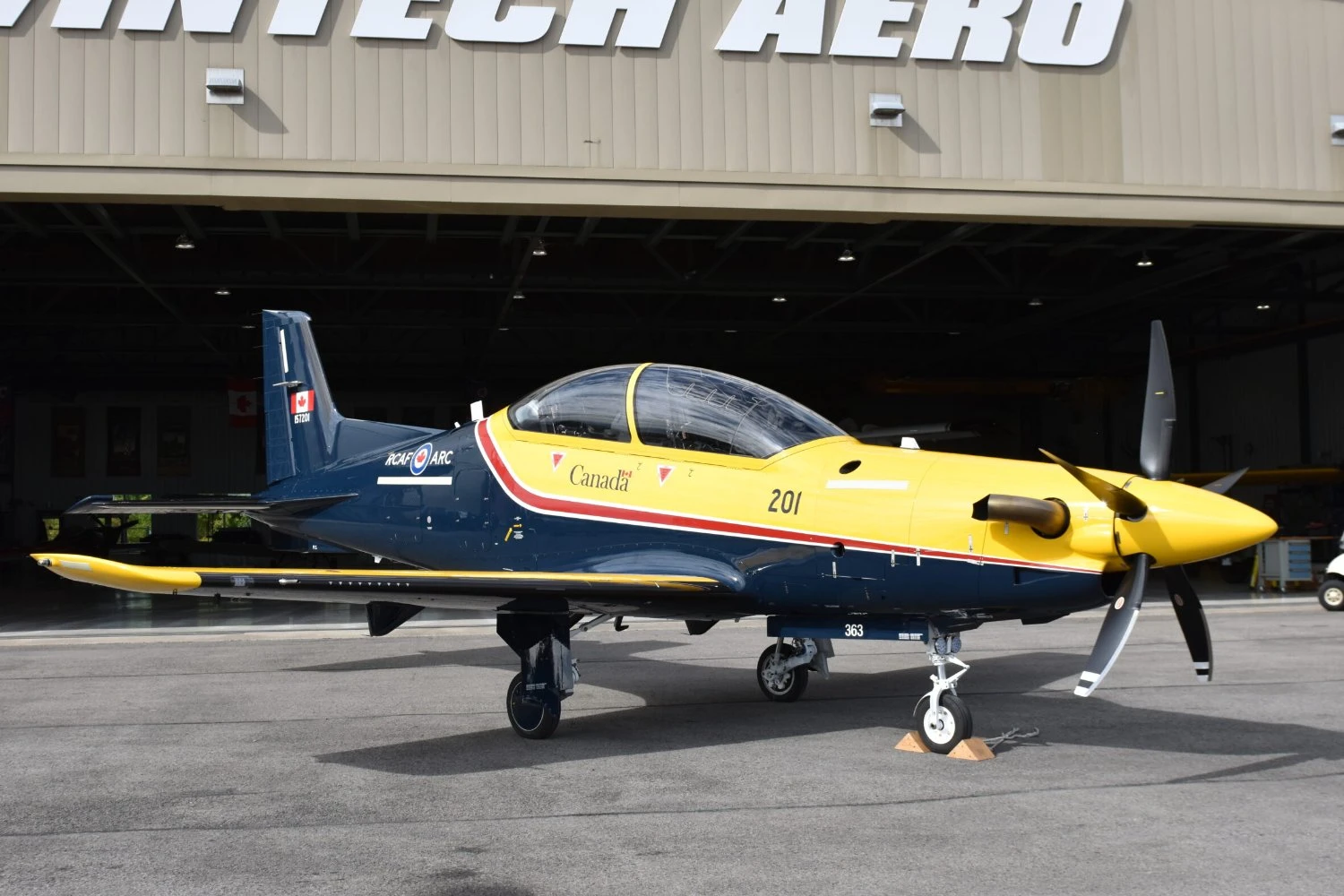
The first two Pilatus PC-21 training aircraft for the Royal Canadian Air Force have arrived in Canada, beginning the introduction of a new fleet that will replace the CT-156 Harvard II.
The aircraft reached Canada on September 17 after a ferry flight from Pilatus' factory in Stans, Switzerland. They were presented in Gatineau, Quebec, before heading to 15 Wing Moose Jaw in Saskatchewan, the main base for RCAF pilot training.
Canada has designated the aircraft CT-157 Siskin II and will receive 19 under the Future Aircrew Training (FAcT) program. The first examples will initially support instructor training and course development before student training begins.
The PC-21 combines turboprop operating costs with a cockpit and embedded simulation system designed to prepare pilots for more advanced combat aircraft. Its training environment can simulate functions including radar and other sensors without requiring those systems to be physically installed on the aircraft.
Follow Air Data News: WhatsApp | Instagram | LinkedIn | Twitter | Facebook
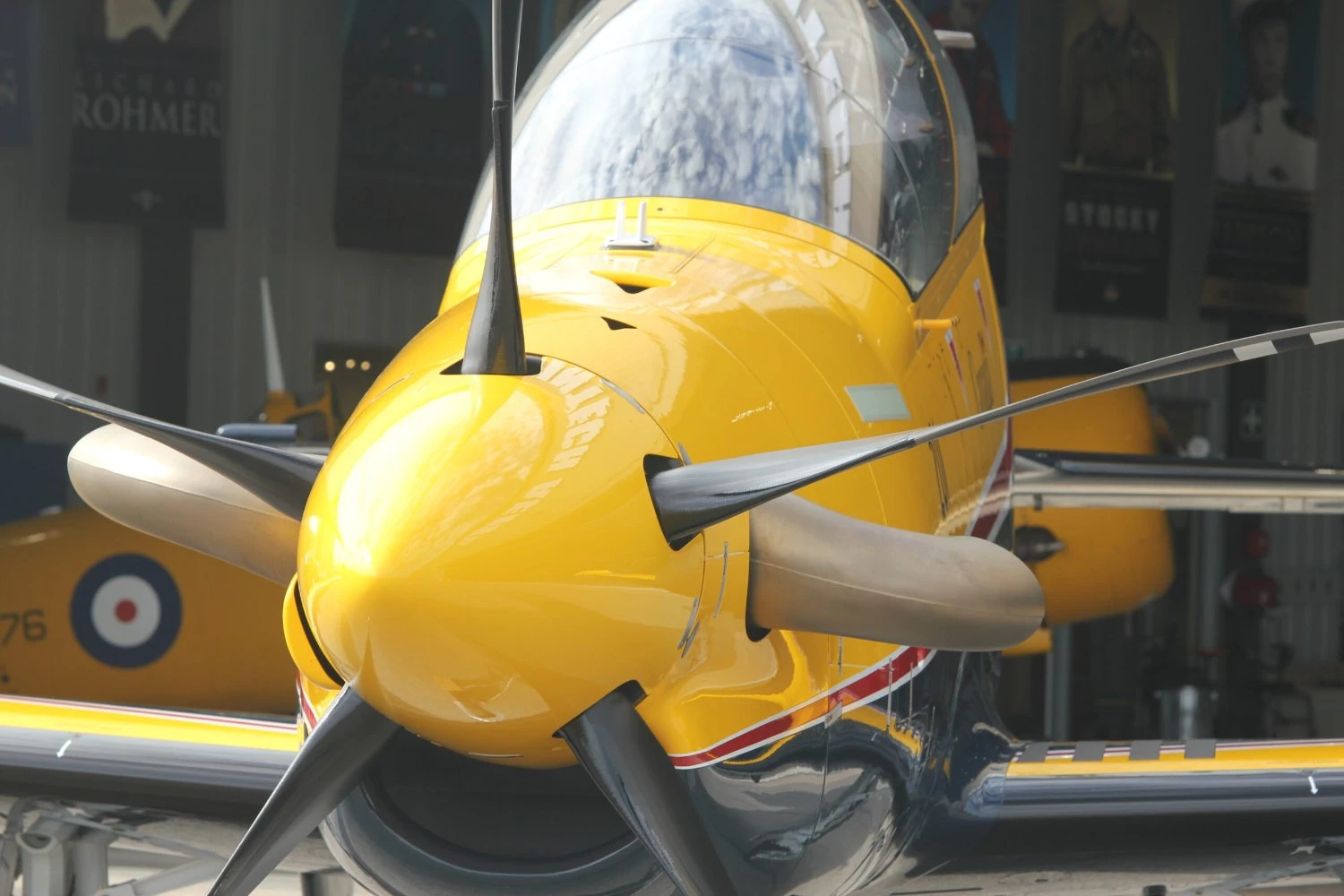
The Canadian aircraft are powered by the Pratt & Whitney Canada PT6A-68B turboprop engine, providing a domestic connection to the Swiss-built trainer.
C$11.2 billion training program
The PC-21 fleet is one element of the much larger FAcT program, a 25-year contract valued at C$11.2 billion (about US$8.1 billion) awarded to SkyAlyne, a joint venture between CAE and KF Aerospace.
The program covers 71 aircraft across five fleets, along with simulators, ground-based training systems, infrastructure and support. Training will primarily take place at Moose Jaw and 17 Wing Winnipeg.
The first Canadian PC-21 made its maiden flight in Switzerland in February and entered factory acceptance activities in May. Deliveries of the 19 aircraft will progressively build the fleet required for the transition from the Harvard II.
PC-21 also selected for Snowbirds
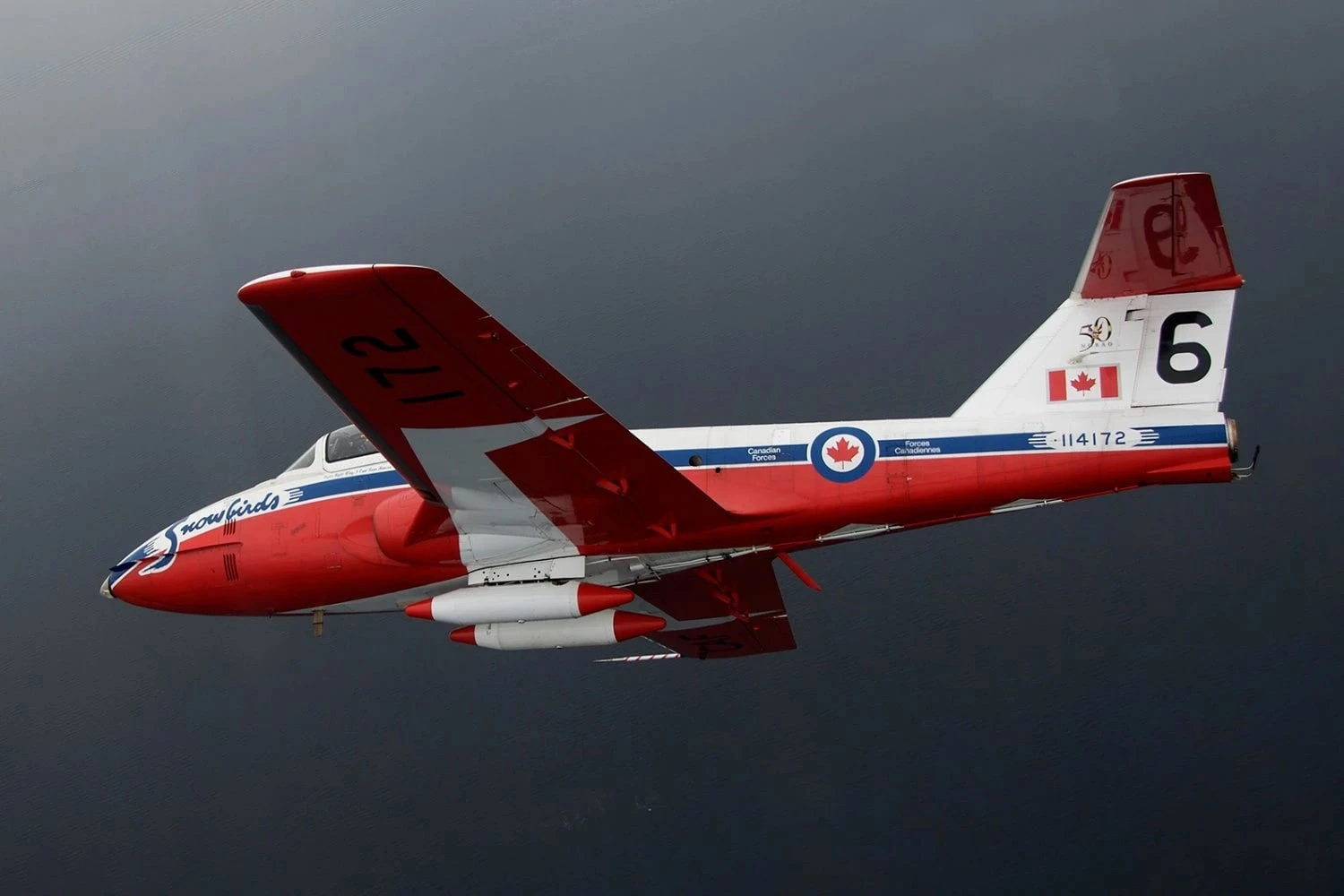
Canada has separately selected the PC-21 to replace the CT-114 Tutor used by the RCAF Snowbirds demonstration team.
The Tutor entered Canadian military service in 1963 and has been flown by the Snowbirds since the team's creation in 1971. Its final demonstration season is scheduled for 2026.
The government plans to acquire up to 17 additional PC-21s for the future demonstration capability. These aircraft are separate from the 19 trainers now being delivered under FAcT, although using the same type will allow the RCAF to share training, maintenance and infrastructure at Moose Jaw.
The Snowbirds are expected to remain inactive for several years after the Tutor's retirement, with the Canadian government targeting the early 2030s for the team's return with the PC-21.