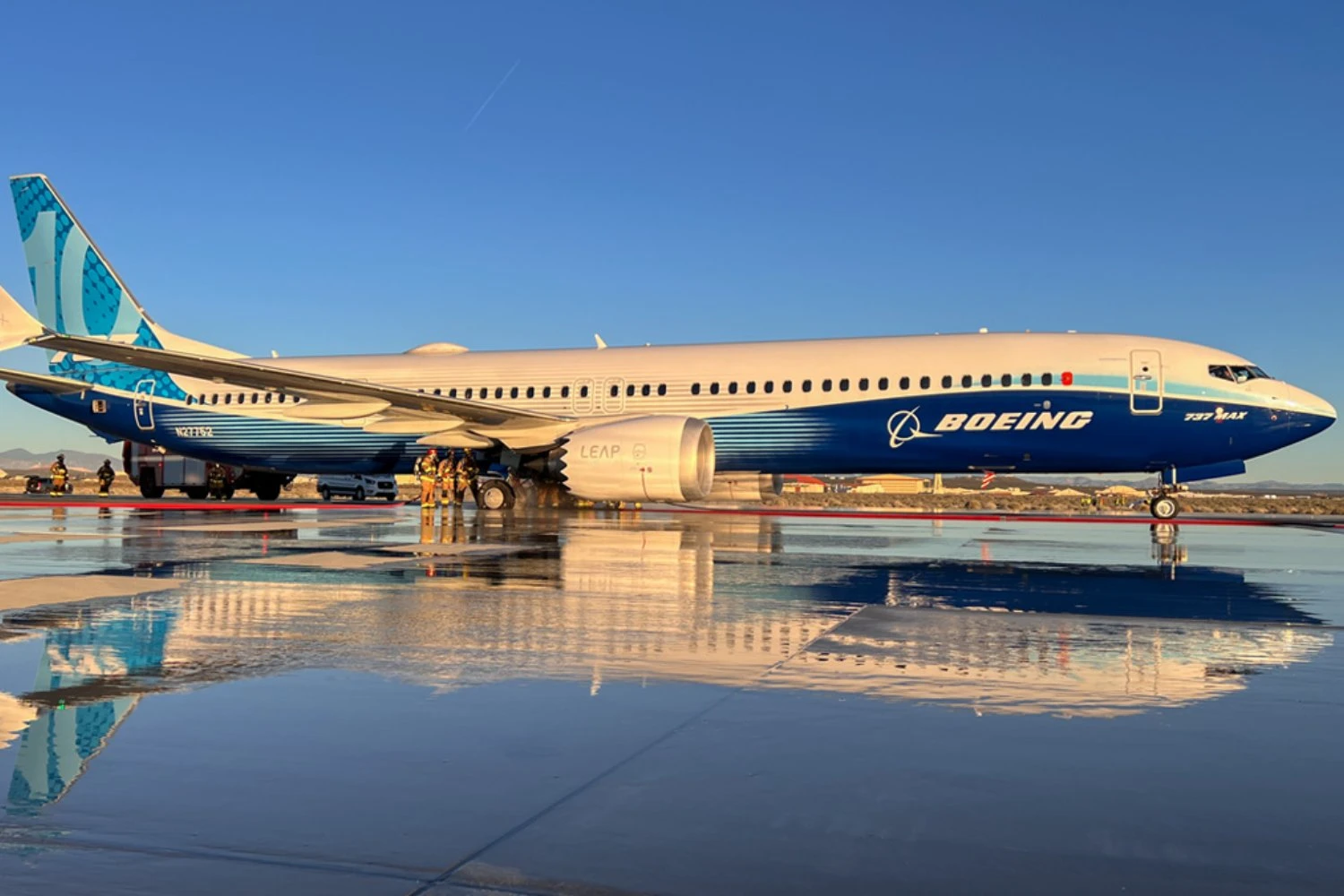
The U.S. Federal Aviation Administration (FAA) said it expects Boeing’s 737 MAX 7 to be certified by summer and forecast further production increases later in the year, marking a step toward normalizing the planemaker’s output after years of regulatory scrutiny. The larger MAX 10 is anticipated to receive certification by December, according to the agency’s latest timeline.
The projected certification schedule stands in stark contrast to the approval pace of earlier 737 MAX variants. The MAX 8 flew for the first time on Jan. 29, 2016 and received FAA certification on March 8, 2017 – a span of about 14 months. The MAX 9, which made its maiden flight on April 13, 2017, was certified in just 10 months on Feb. 16, 2018.
Those rapid certifications occurred during a period when the FAA had delegated many certification tasks to Boeing itself. That arrangement later proved disastrous: two fatal MAX crashes in 2018 and 2019 killed 346 people, followed by a January 2024 door-plug blowout on an Alaska Airlines flight and a series of quality and safety scandals that triggered a sweeping overhaul of Boeing’s manufacturing processes.
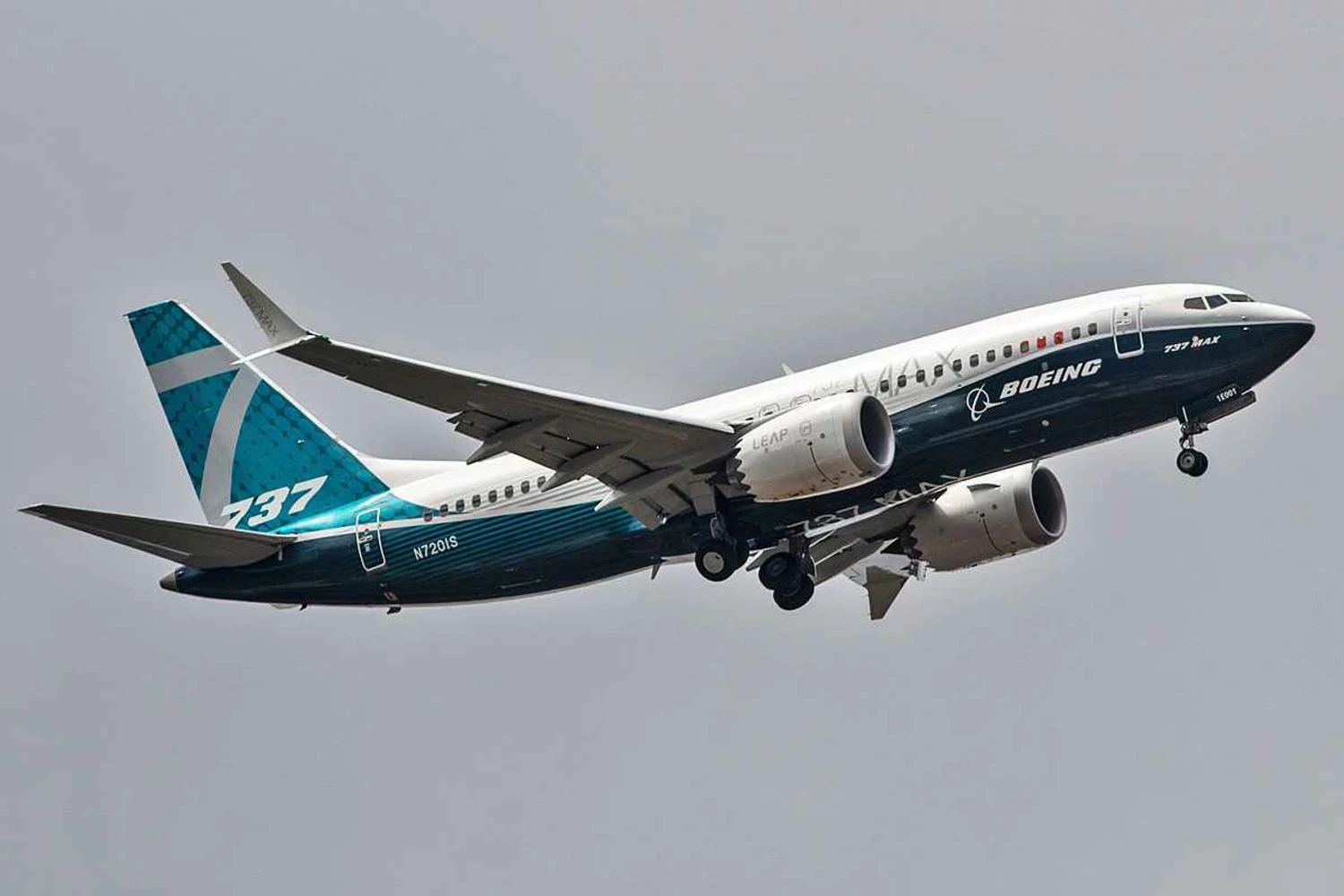
The MAX 7 first flew on March 16, 2018 – more than eight years ago – while the MAX 10 did not fly until June 18, 2021. Their prolonged certification paths reflect the FAA’s far more hands-on approach to validating every design change and system function, a direct consequence of the earlier delegation failures.
Boeing has been working to overhaul its production system under close FAA oversight. In recent months the company has consulted with the regulator on production rate increases, and the FAA’s latest statement indicates that output could rise further later in 2026, though the agency did not specify a new monthly target.
The manufacturer is currently aiming to reach a production rate of 47 jets per month in 2026. Boeing is also preparing its Everett, Washington, widebody line for single-aisle output as part of a broader push to stabilize and eventually expand 737 deliveries.
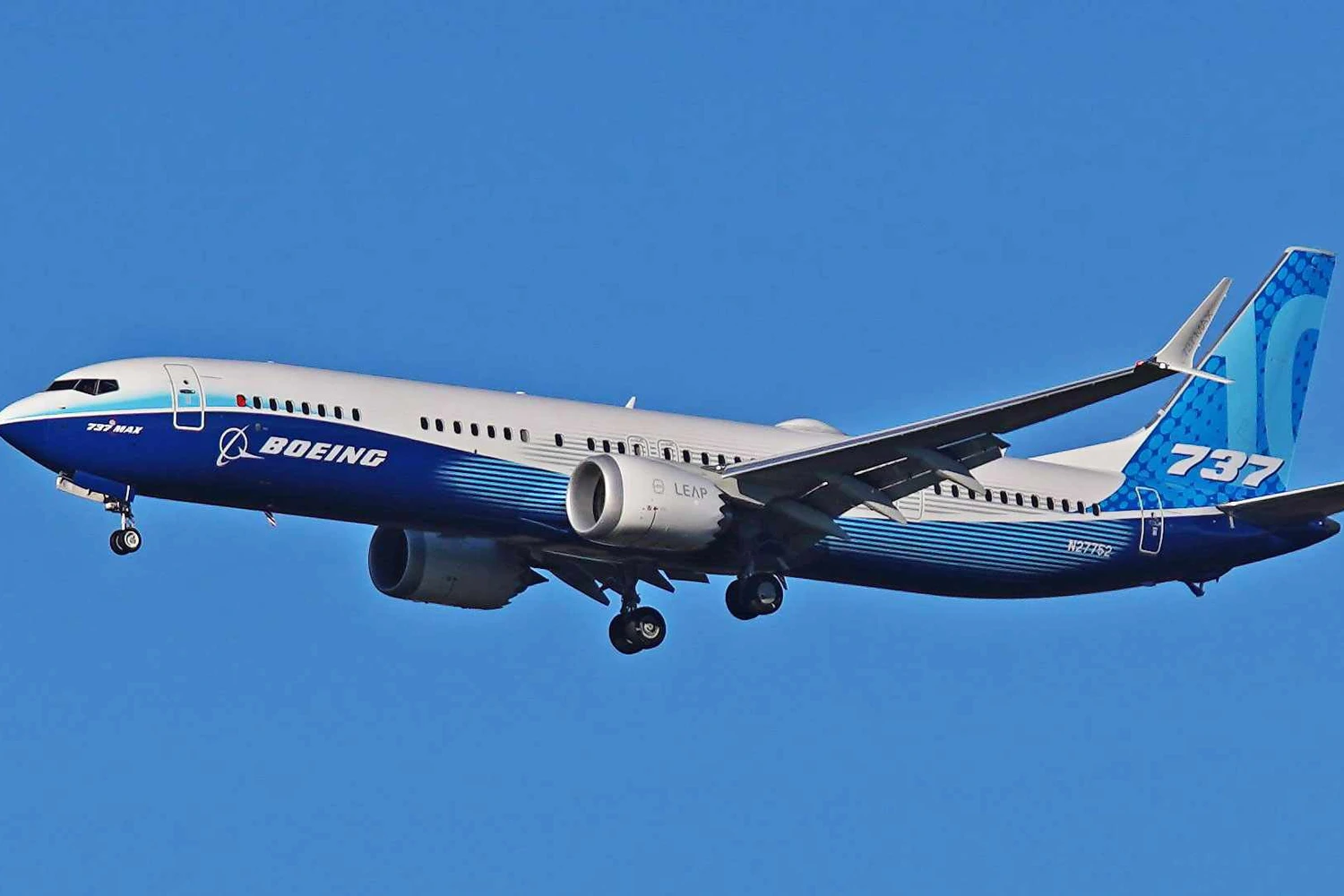
The FAA’s certification timeline for the MAX 7 and MAX 10 is a critical milestone for Boeing as it seeks to regain customer confidence and clear a backlog of orders. However, the agency has emphasized it will not compromise on safety reviews, and the remaining months of testing and documentation are likely to face intense scrutiny.
The gradual return of the MAX 7 and MAX 10 to the certification pipeline, combined with rising production, signals that the worst of Boeing’s regulatory turmoil may be easing.