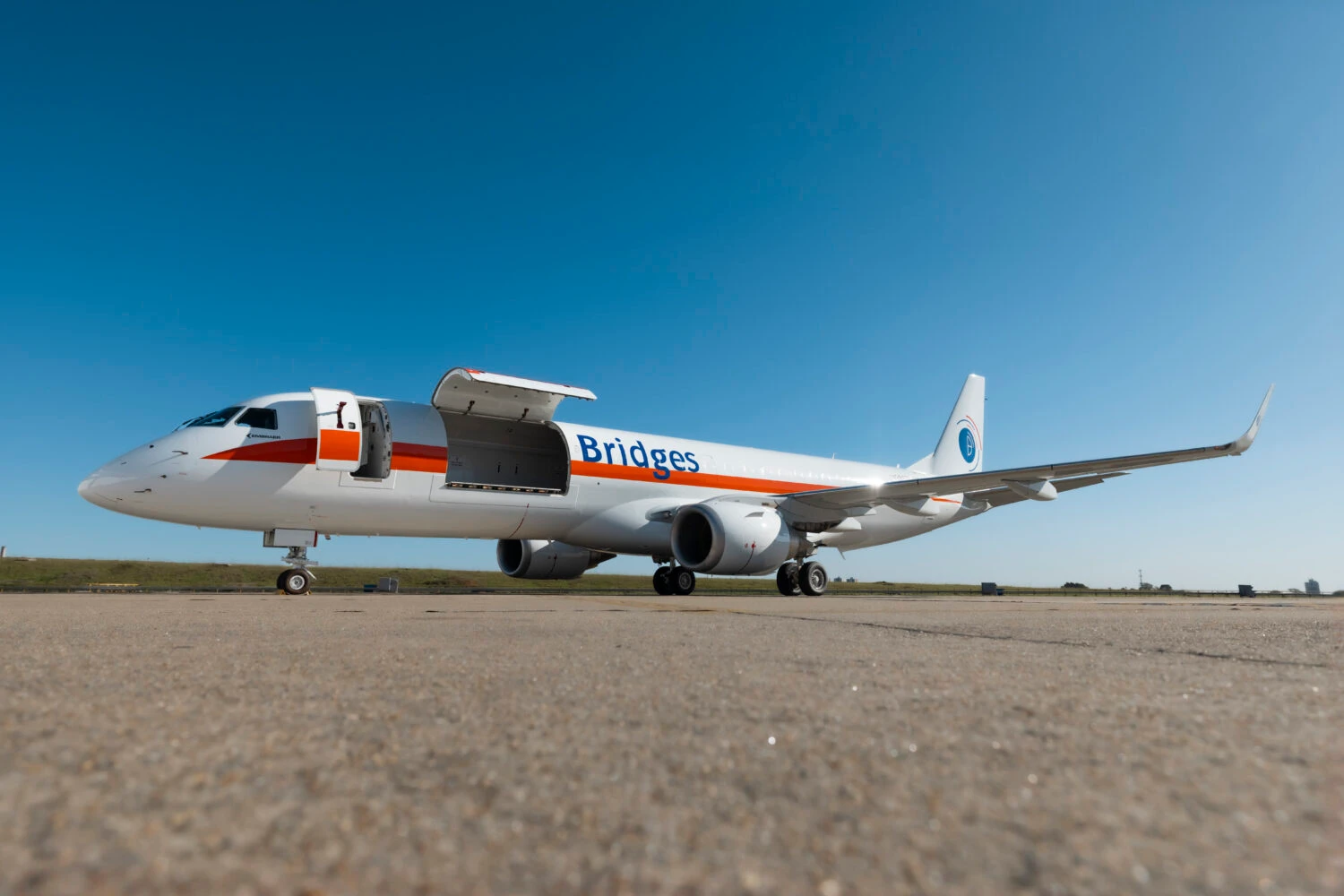
Embraer said its E190F passenger-to-freighter conversion program has started to gain traction after the aircraft entered commercial service in Europe earlier this year.
Speaking during the company’s first-quarter earnings call, CEO Francisco Gomes Neto said the E190 freighter was beginning to attract greater attention from the cargo market, particularly in the e-commerce sector.
“Yes, we have now a customer entering in operation with the E190 freighter,” Gomes Neto said. “This will help to showcase the product and we believe it’s a great product for e-commerce, especially.”
The executive added that Embraer has “good expectation about the future sales with the E190 freighter.”
Related news
Data from aircraft tracking and fleet databases indicate that only one E190F is currently operational. The aircraft, registered 9H-BRD, entered service in March with Bridges Air Cargo of Malta under lease from U.S.-based lessor Regional One.
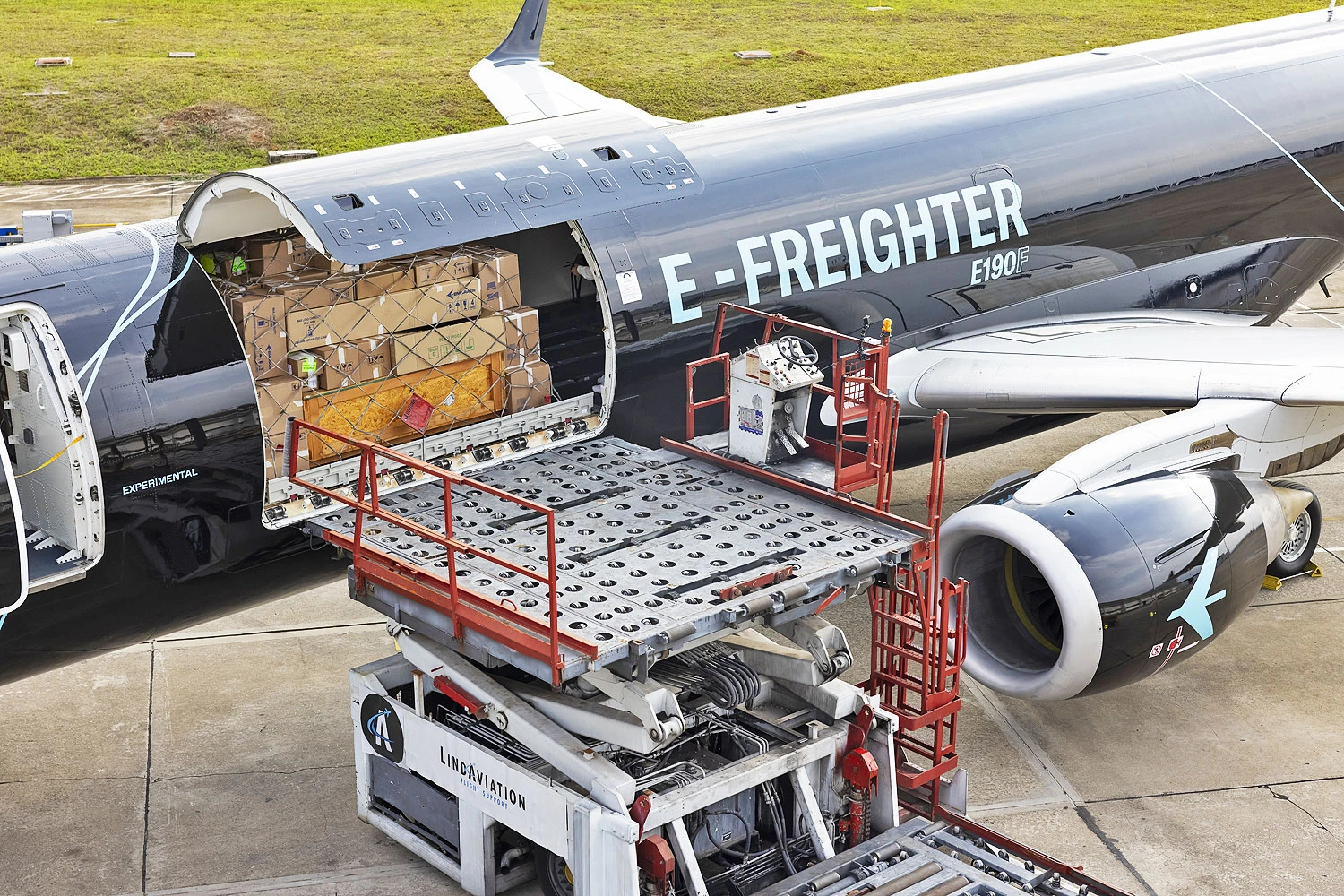
The converted freighter, serial number 19000360, was originally delivered to TACA International Airlines in 2010 before later joining Avianca El Salvador. It was withdrawn from passenger service in 2019 and converted in São José dos Campos, Brazil.
A second aircraft, N988TA, has also been converted to E190F configuration but has yet to enter service. The jet appeared publicly at the Dubai Airshow in 2025 and is also expected to join Bridges Air Cargo.
Embraer launched the E-Freighter program in 2022 with plans to convert E190 and E195 regional jets into cargo aircraft, targeting a market segment between slower turboprop freighters such as the ATR 72F and larger narrowbody cargo jets like the Boeing 737 converted freighter.
The manufacturer later adjusted the program after a slower-than-expected market response. During previous earnings discussions, Gomes Neto confirmed Embraer had effectively paused development of the larger E195F conversion to concentrate efforts on bringing the E190F into service first.
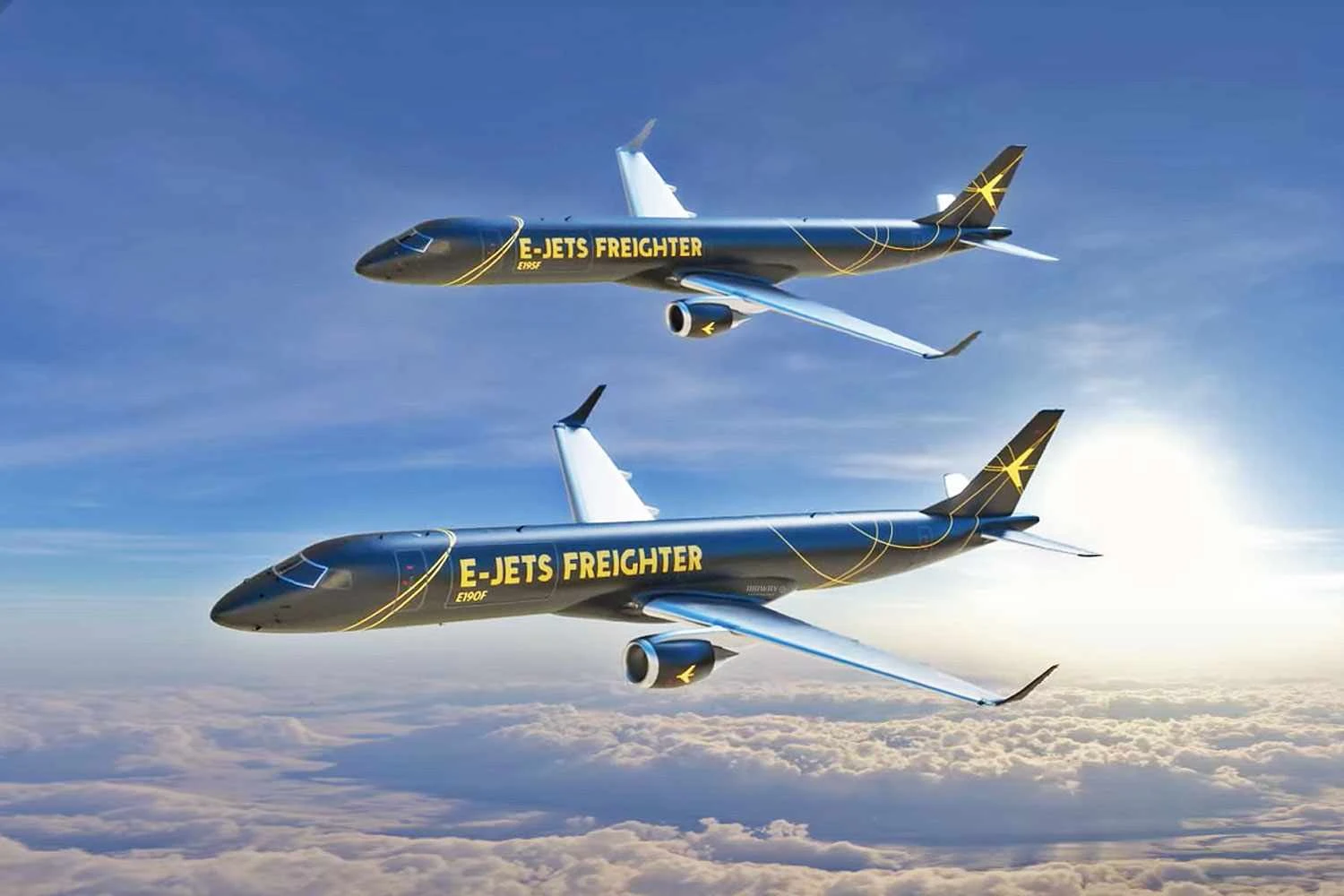
While Embraer has not publicly acknowledged weak demand, industry sources have pointed to several challenges for the program. The strong post-pandemic recovery in passenger traffic increased demand for second-hand E-Jets, reducing the availability of feedstock aircraft for conversion. At the same time, the cost of passenger-to-freighter modifications reportedly limited the economic advantage of the aircraft for some operators.
Still, the E190F occupies a relatively uncommon niche in the cargo market, offering higher speed and payload than turboprop freighters while remaining smaller than converted Boeing and Airbus narrowbody jets.