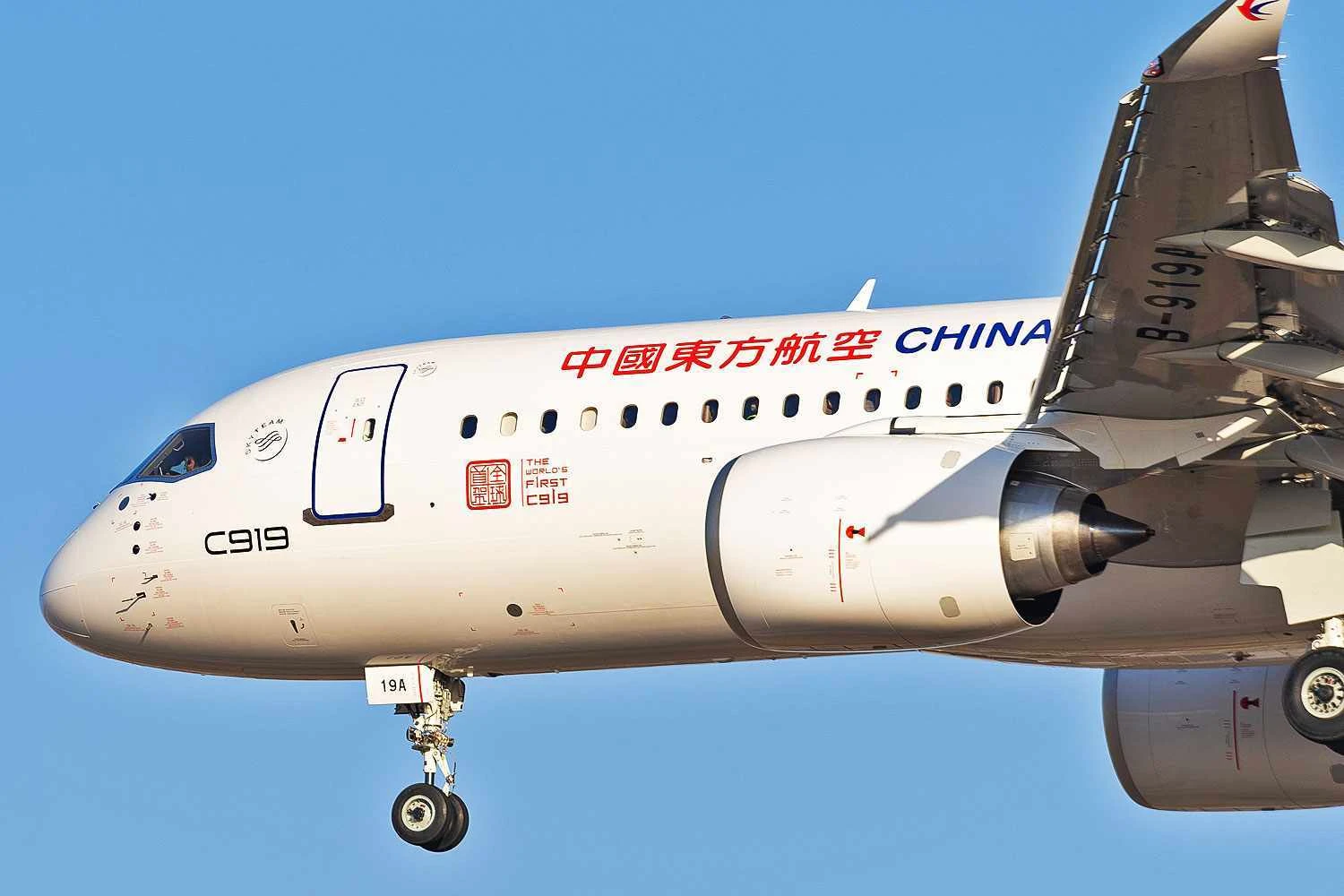
European certification efforts for the COMAC C919 are gaining momentum, with test activity and regulatory engagement accelerating in China as the aircraft moves forward in the approval process, according to the South China Morning Post.
Technicians and pilots from the European Union Aviation Safety Agency (EASA) have established a near-permanent presence in Shanghai, where they are conducting additional ground evaluations and flight tests of the narrowbody jet. Sources cited by the newspaper said the regulator is requiring further test flights during the third phase of a four-stage certification process.
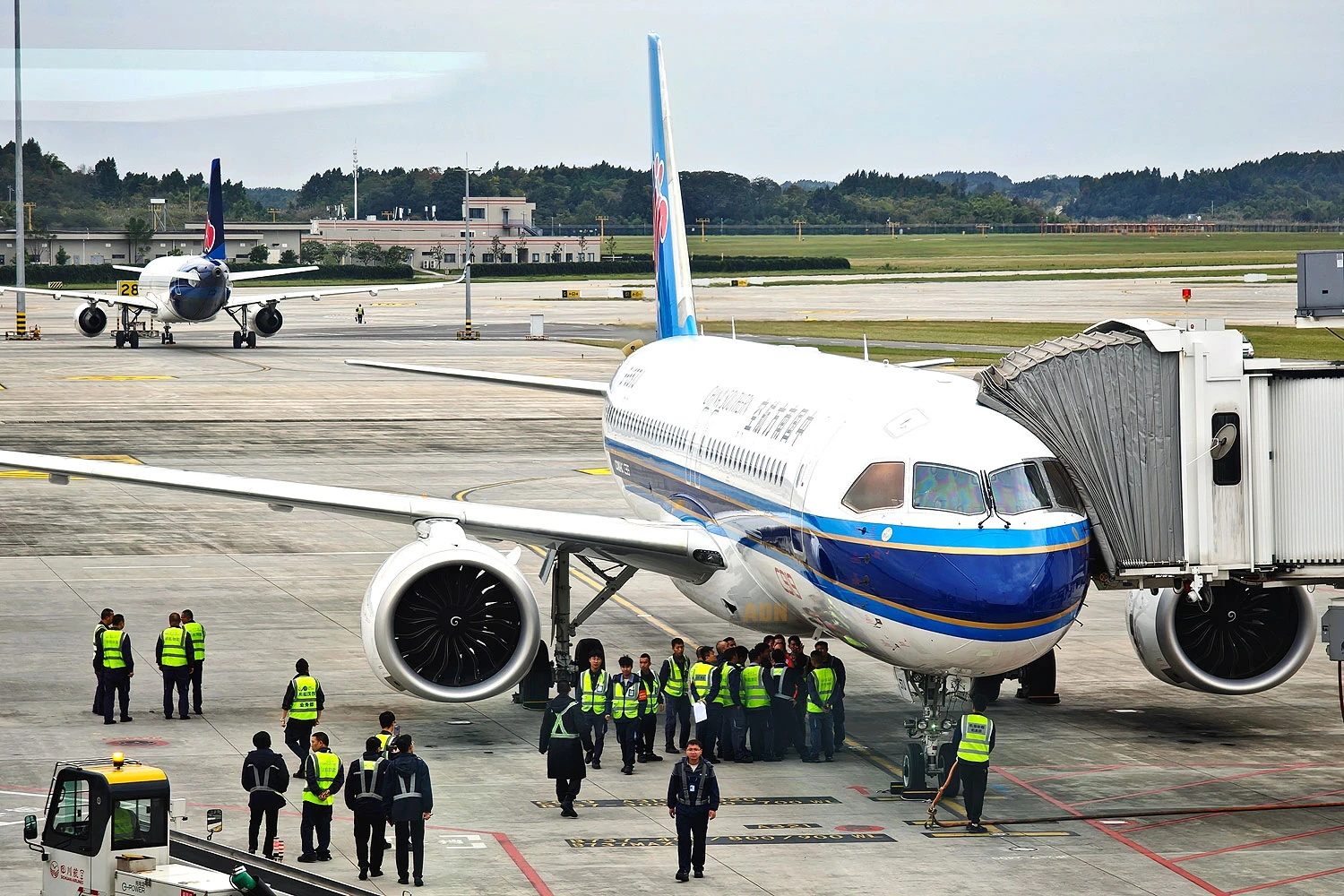
The campaign involves close coordination between Chinese authorities and operators. The Civil Aviation Administration of China (CAAC) has mobilized airline support, including experienced pilots, to assist with the effort. Data sharing has also intensified, with COMAC and airlines such as China Eastern Airlines providing operational, maintenance and inspection records from in-service aircraft.
Related news
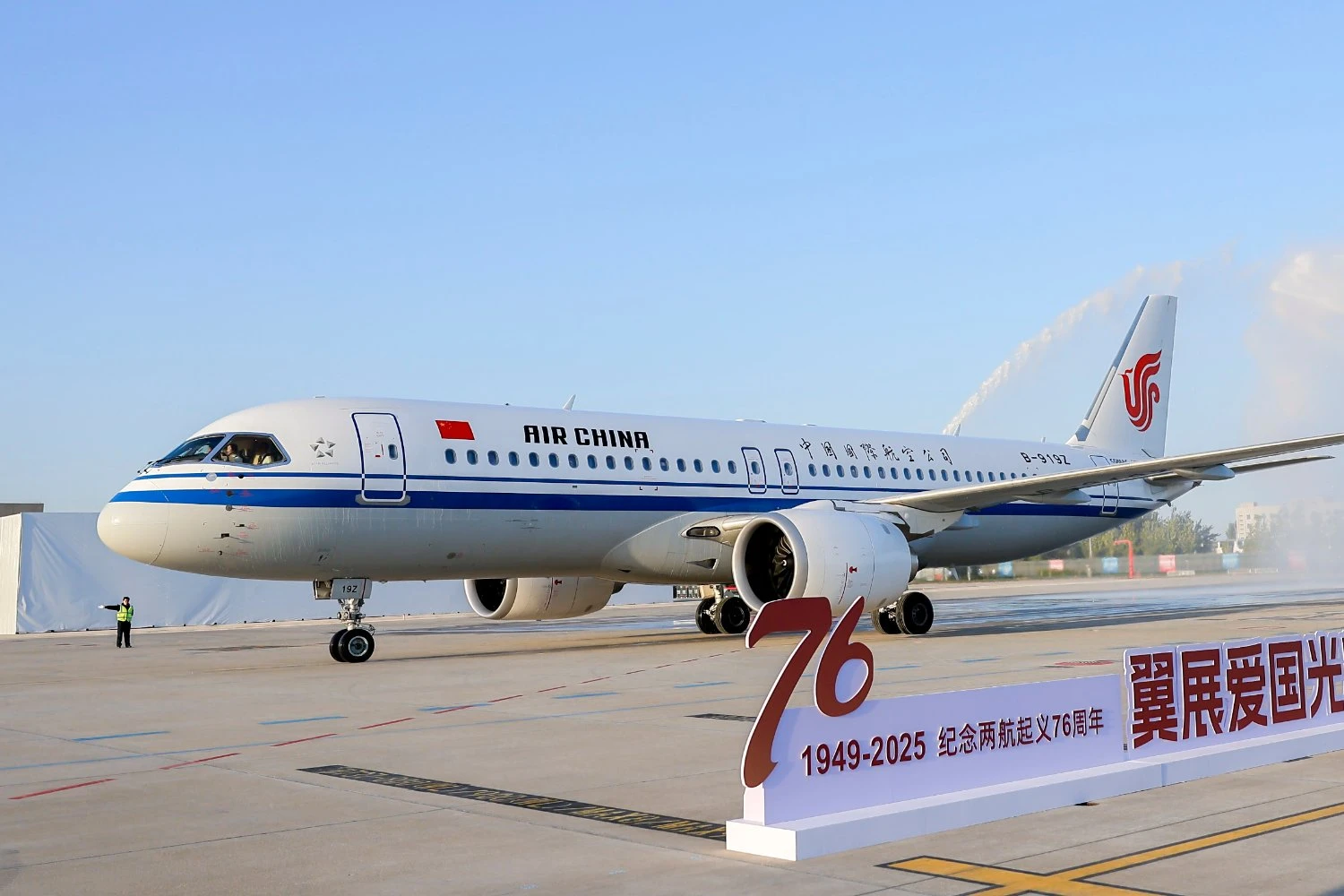
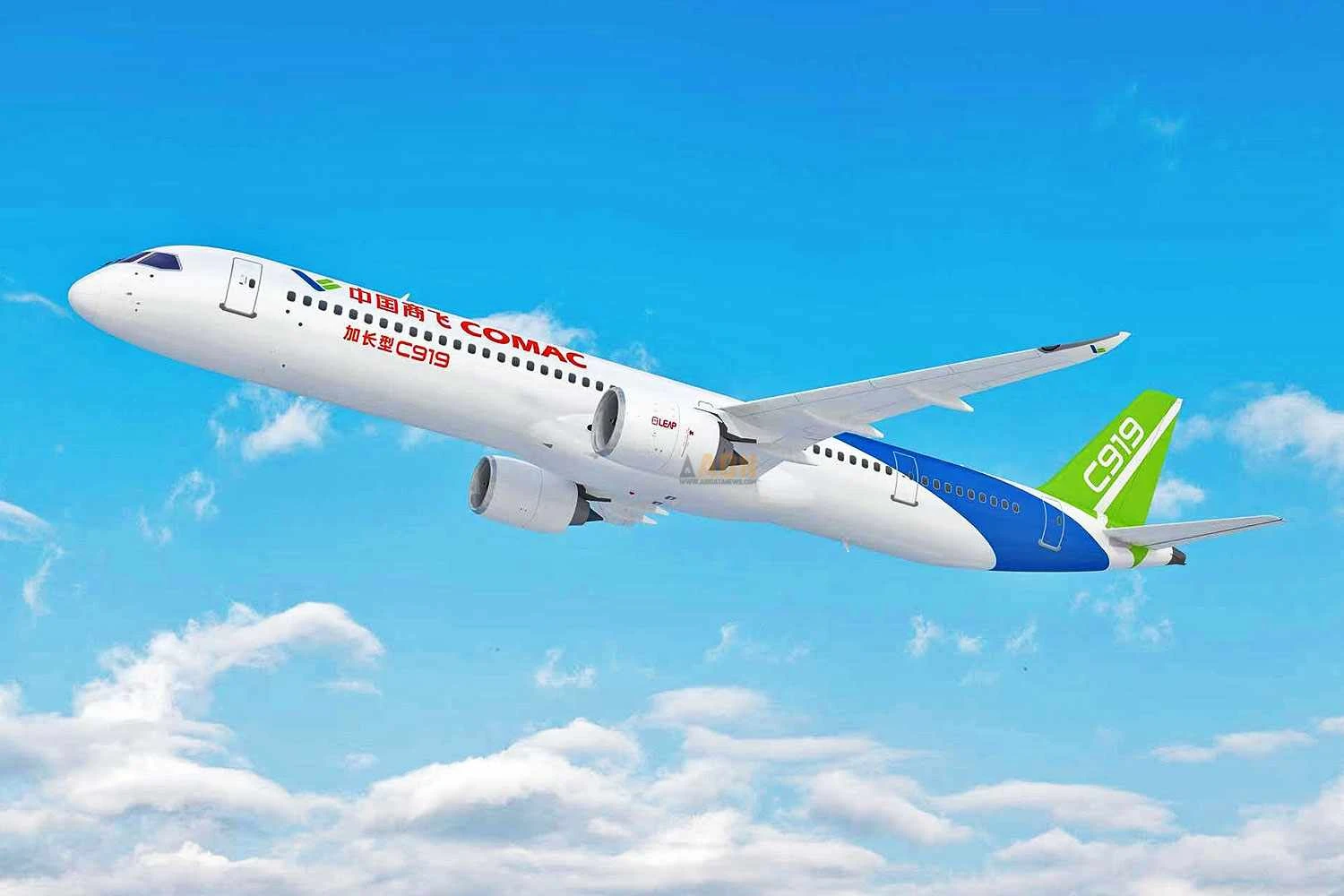
This includes information from routine A and B checks performed on early-production C919s, which entered service in 2023. The use of real-world operational data is seen as an important element in demonstrating reliability and safety performance to European regulators.
The latest developments build on earlier test activity involving EASA pilots in Shanghai. As previously reported, two European test pilots carried out evaluation flights from Pudong International Airport in late 2025, following delays in the certification timeline.
Despite the increased pace of testing, certification in Europe remains several years away. EASA chief Florian Guillermet said in April 2025 that approval would not come before 2028, contradicting earlier expectations from COMAC that the aircraft could be cleared as early as 2025. Guillermet indicated the process could take between three and six years from that point.
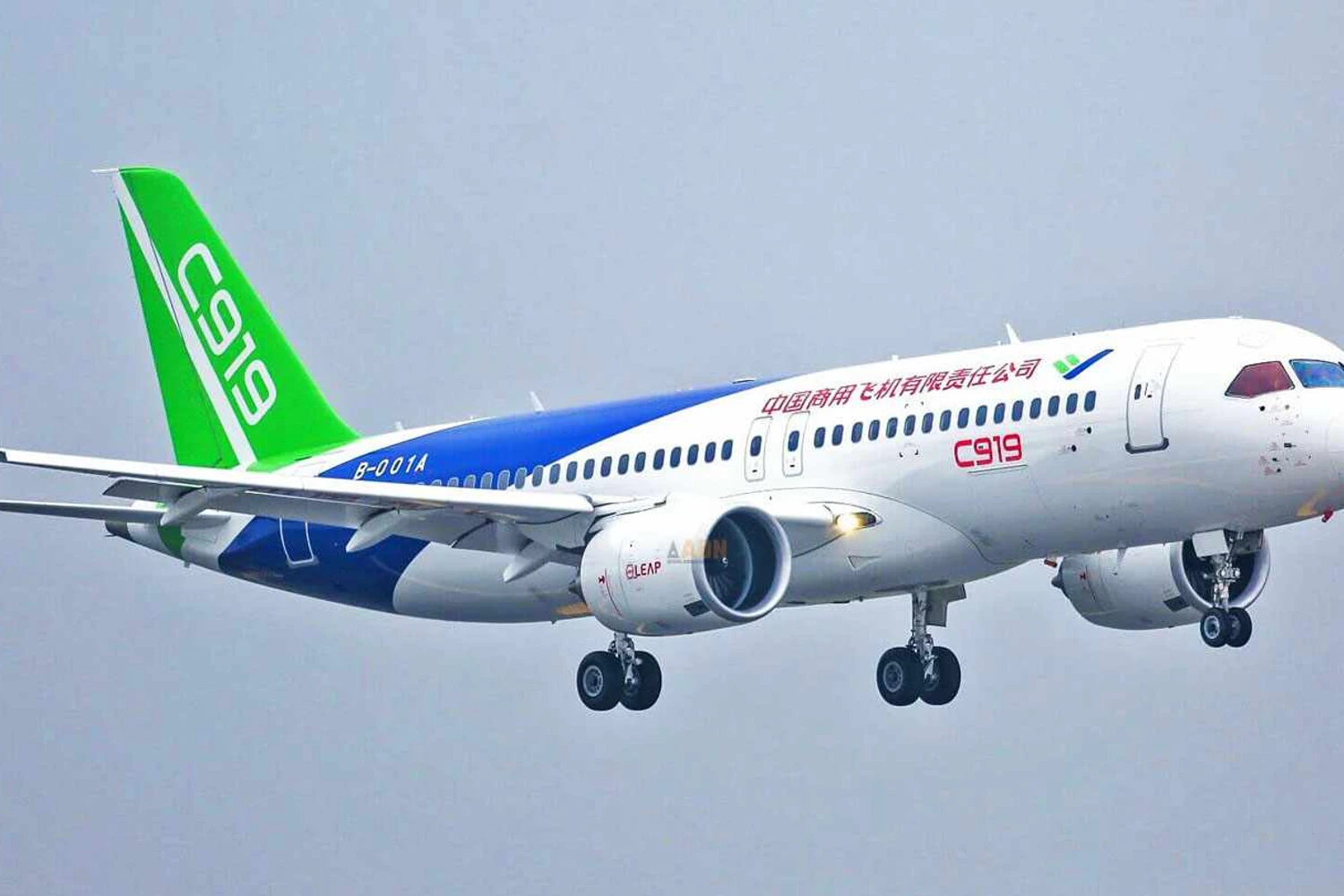
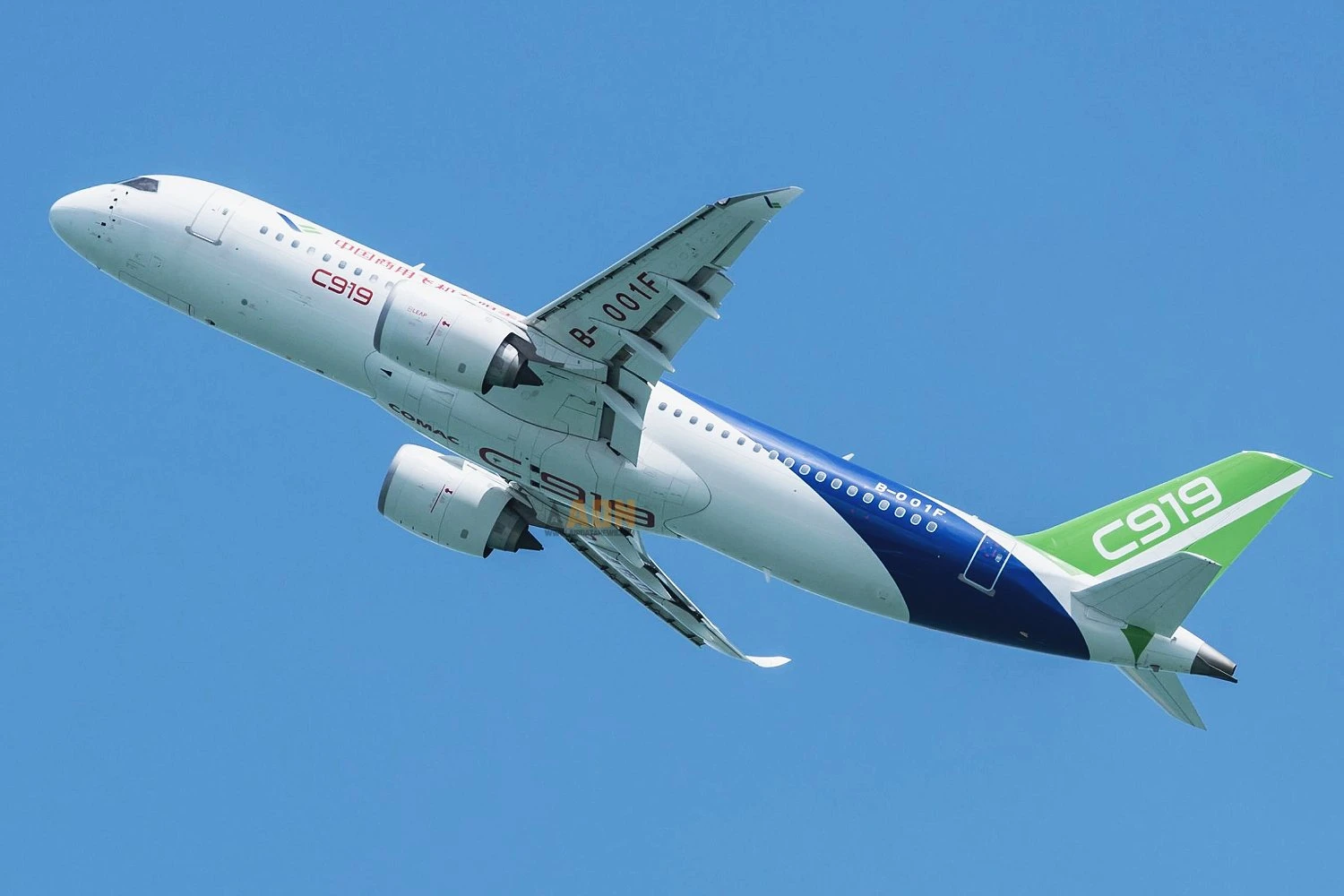
COMAC C919 jetliner (CFM) 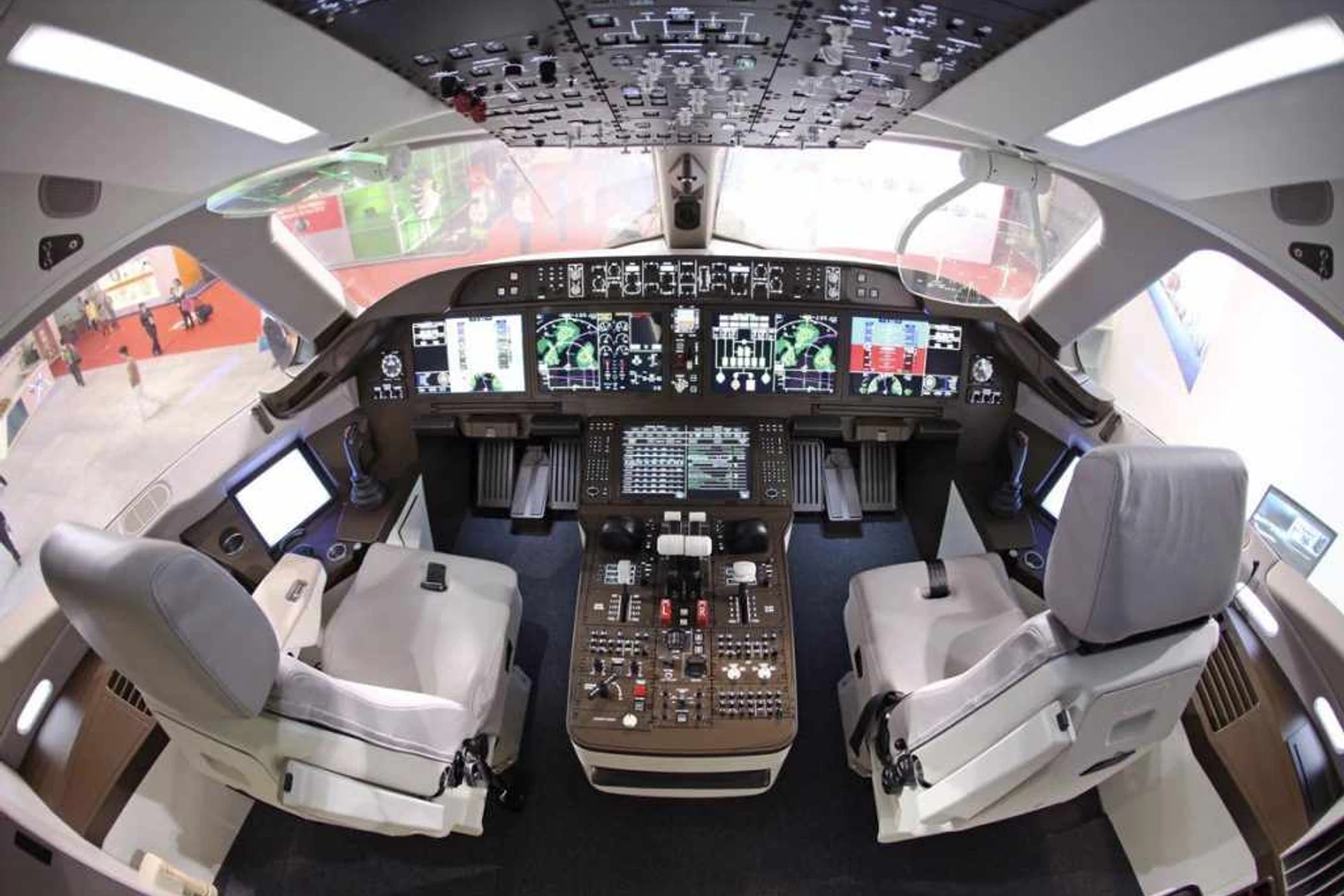
C919 cockpit (COMAC) 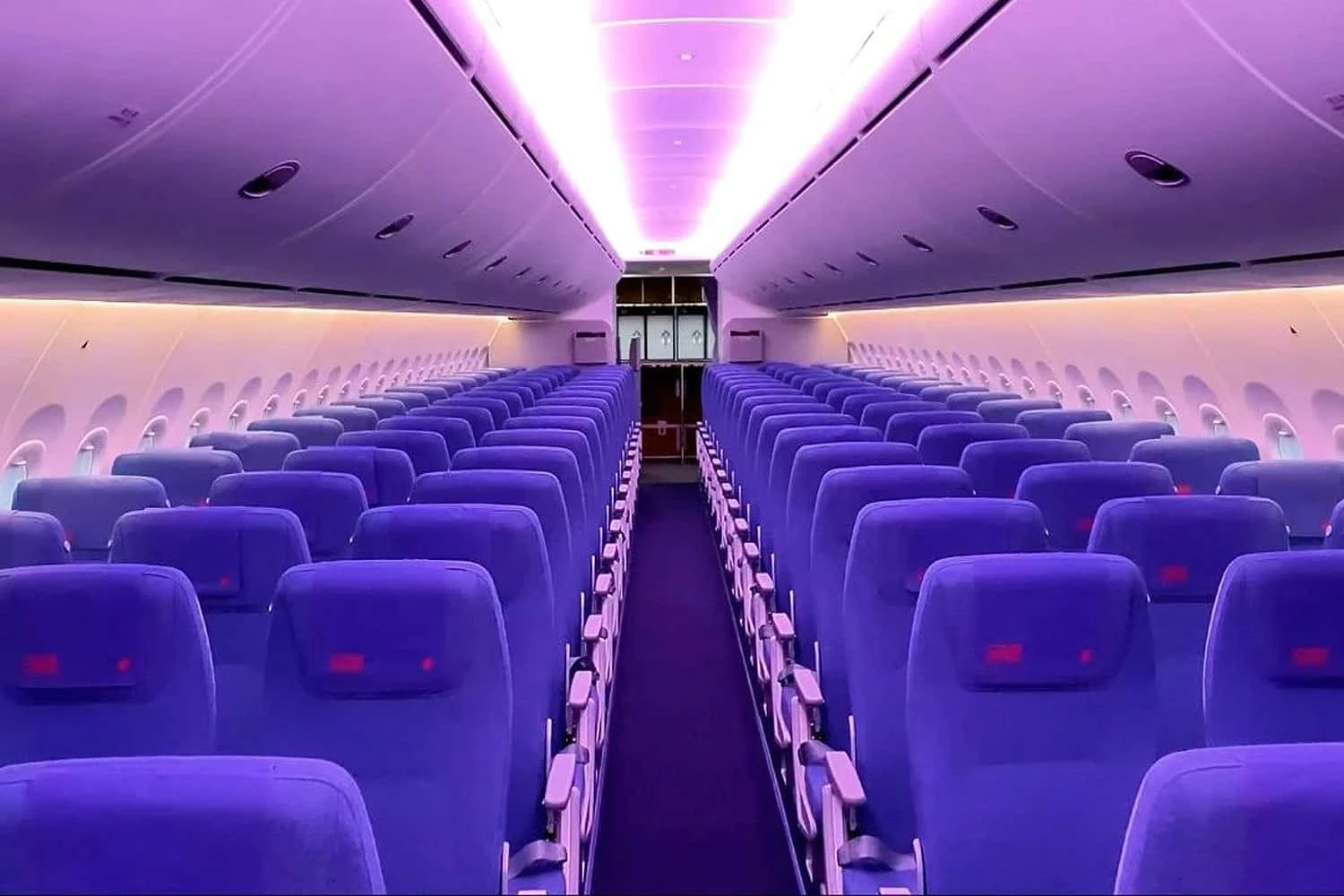
Air China C919 cabin



The C919 is intended to compete with the Boeing 737 and Airbus A320 families in the single-aisle segment. However, the aircraft remains limited to Chinese operators, and production has yet to scale significantly.
Progress has also been complicated by geopolitical factors. The jet relies on the LEAP-1C engine, produced by CFM International, a joint venture between GE Aerospace and Safran, making the program partially dependent on Western suppliers amid trade tensions.