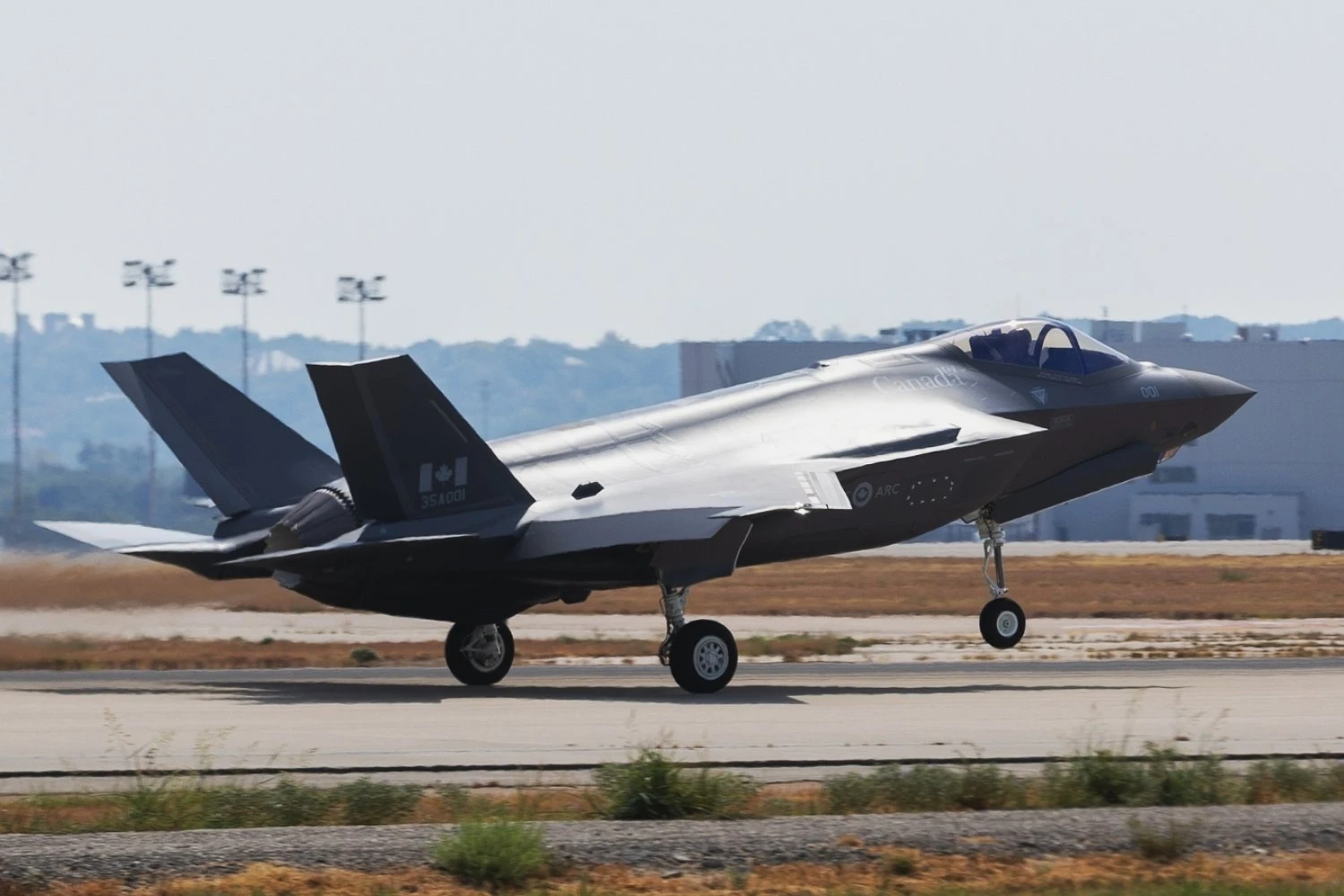
Canada’s first F-35A fighter has completed its maiden flight in Texas, the first flight of an aircraft destined for the country’s planned 88-jet fleet, whose size and composition remain under review by Ottawa.
The aircraft, identified as AR-1, flew from the Lockheed Martin facility in Fort Worth on Wednesday, September 23. Images taken during the flight show the fighter carrying Royal Canadian Air Force markings, including the Canadian roundel and low-visibility national flag on its tail.
AR-1 is the first aircraft produced for Canada under the Future Fighter Capability Project, which was established to replace the RCAF’s CF-18 Hornet fleet. Canada selected the F-35A and announced in January 2023 that it would acquire 88 aircraft.
The first eight Canadian F-35As are scheduled to remain in the United States at Luke Air Force Base in Arizona, where they will support pilot training. The first aircraft is not expected to arrive on Canadian soil until 2028.
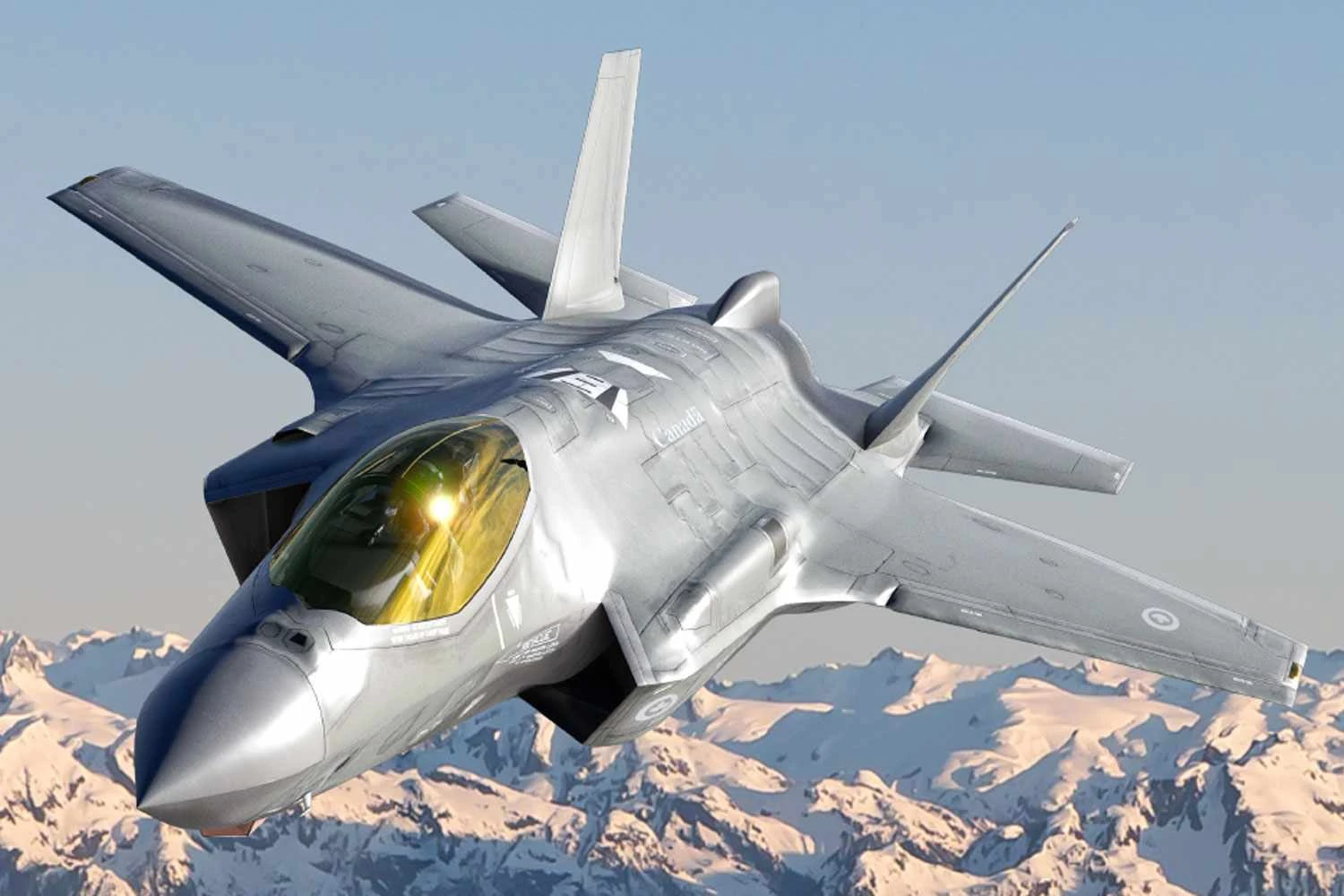
88-aircraft purchase remains under review
The maiden flight comes against an unusual political backdrop for an aircraft already entering the delivery phase.
Prime Minister Mark Carney ordered a review of the F-35 acquisition in March 2025 to determine whether proceeding with the planned fleet remained the best option for Canada. The assessment covers operational requirements, industrial benefits, strategic partnerships and possible alternatives.
The Canadian government has subsequently confirmed that the review remains open. It has also acknowledged that the options being considered include operating a mixed fighter fleet rather than acquiring all 88 F-35As originally planned.
Follow Air Data News: WhatsApp | Instagram | LinkedIn | Twitter | Facebook
Canada has not suspended the F-35 program during that process. Payments continue under existing agreements, production of Canadian aircraft has moved ahead and the RCAF is preparing to introduce the type into service. The government said in May that deliveries remained on schedule despite the unresolved review.
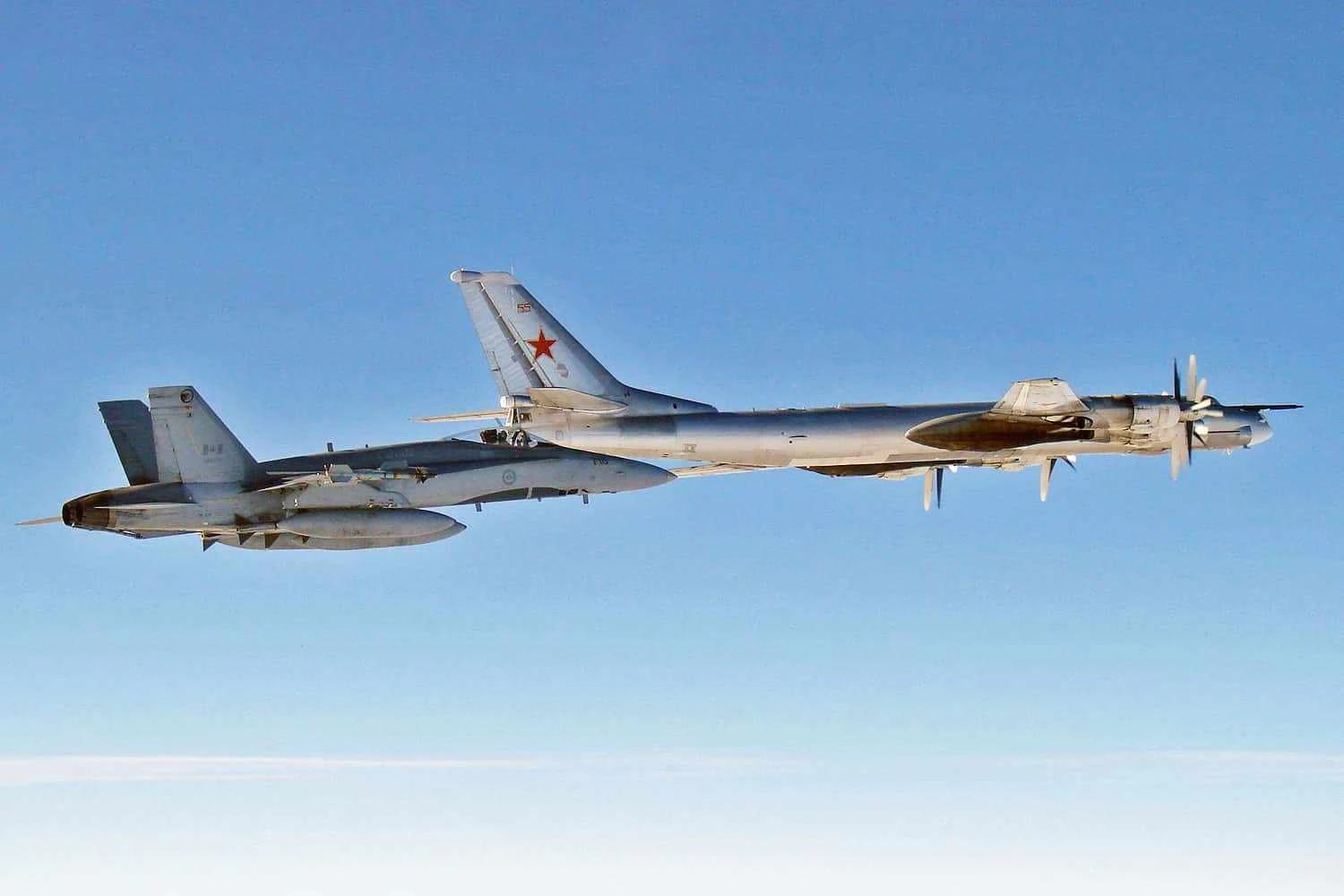
The initial 16 aircraft are already covered by Canada's existing commitments, limiting how much of the program could be reconsidered without affecting aircraft already contracted or in production.
Debate extends beyond the fighter itself
Ottawa’s reassessment has increasingly become a question of defence and industrial policy rather than simply a comparison of fighter performance.
Canada has sought to diversify its defence relationships and reduce its dependence on the United States, with closer cooperation with European partners becoming a more prominent element of the Carney government’s strategy. Canada joined the Global Combat Air Programme as an observer in July and this month formally applied to join the UK-led Joint Expeditionary Force.
The F-35 program already has a substantial Canadian industrial footprint. More than 110 Canadian companies have received over C$5.2 billion in contracts related to the aircraft, according to the Department of National Defence, with 37 companies holding active contracts.
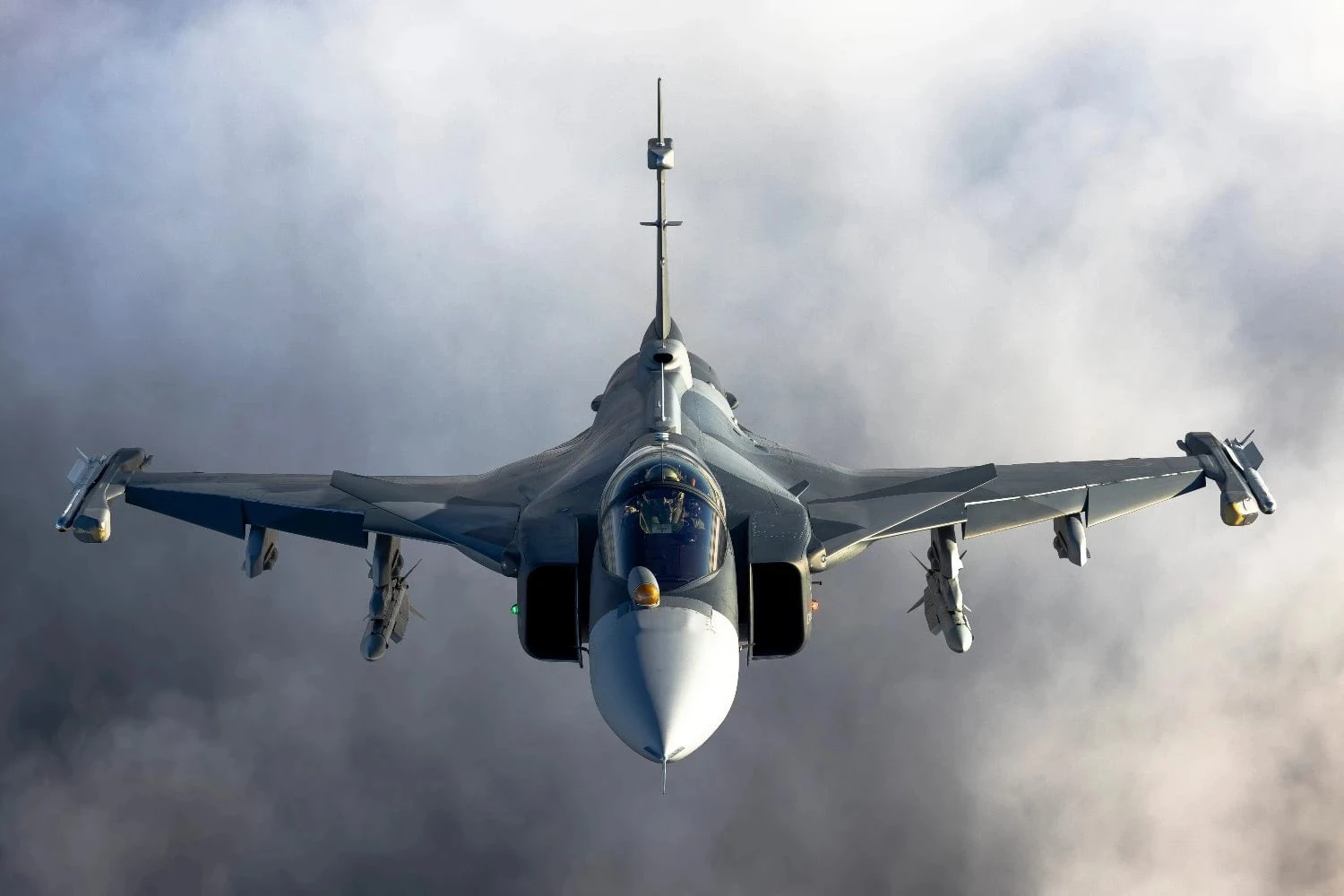
Changing course would also have to account for the remaining life of Canada’s current fighters. The CF-18 fleet has already begun retiring, and the government says available options for extending its service life have been exhausted. The final aircraft are scheduled to leave service in 2032.
Under the existing F-35 schedule, Canada expects to achieve initial operational capability in 2029 and full operational capability in 2033. The acquisition project carries a C$27.7 billion budget covering the aircraft, associated equipment, support and new fighter facilities at Cold Lake and Bagotville.