 Defense
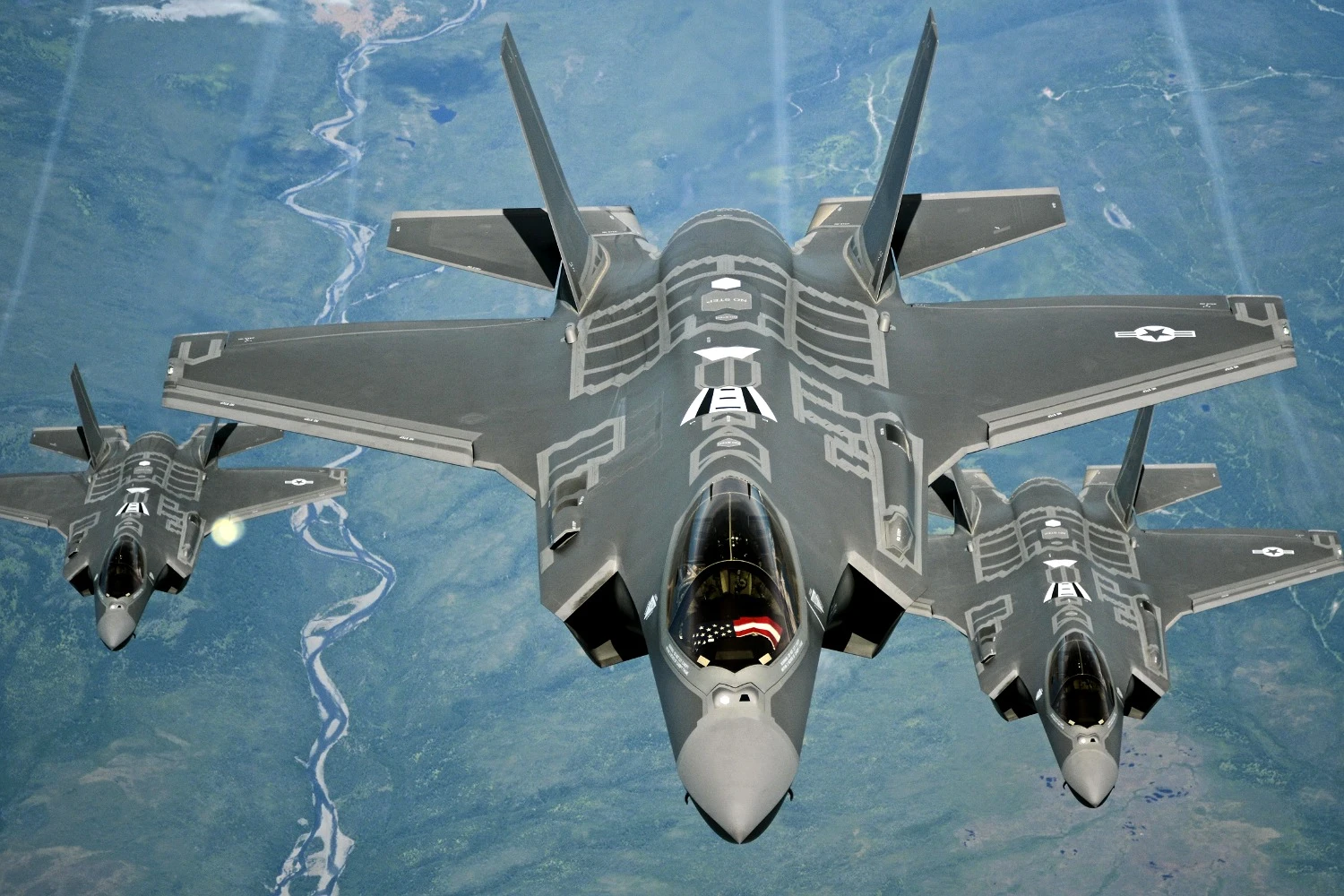
Canada’s Minister of Industry Mélanie Joly has increased pressure on Lockheed Martin to secure additional economic benefits for Canada before finalizing the planned purchase of 88 F-35 fighter jets, said CBC.
The government is weighing the potential for a reduced F-35 fleet and the inclusion of Saab Gripen E aircraft if further concessions are not achieved.
The move comes as Prime Minister Mark Carney reviews the $27.7 billion contract, with the government seeking improved industrial participation and direct benefits for Canadian companies.
Lockheed Martin estimates that approximately 30 Canadian firms are engaged in the F-35 program, supporting around 2,000 jobs, with the program’s projected economic impact valued at CAD 15.5 billion.
Canada is contractually committed to acquiring at least 16 F-35s, but officials have raised the possibility of a mixed fleet to increase leverage in ongoing negotiations. A mixed fleet would present logistical and operational challenges for the Canadian Armed Forces, which are currently preparing infrastructure and training plans for the incoming F-35s.
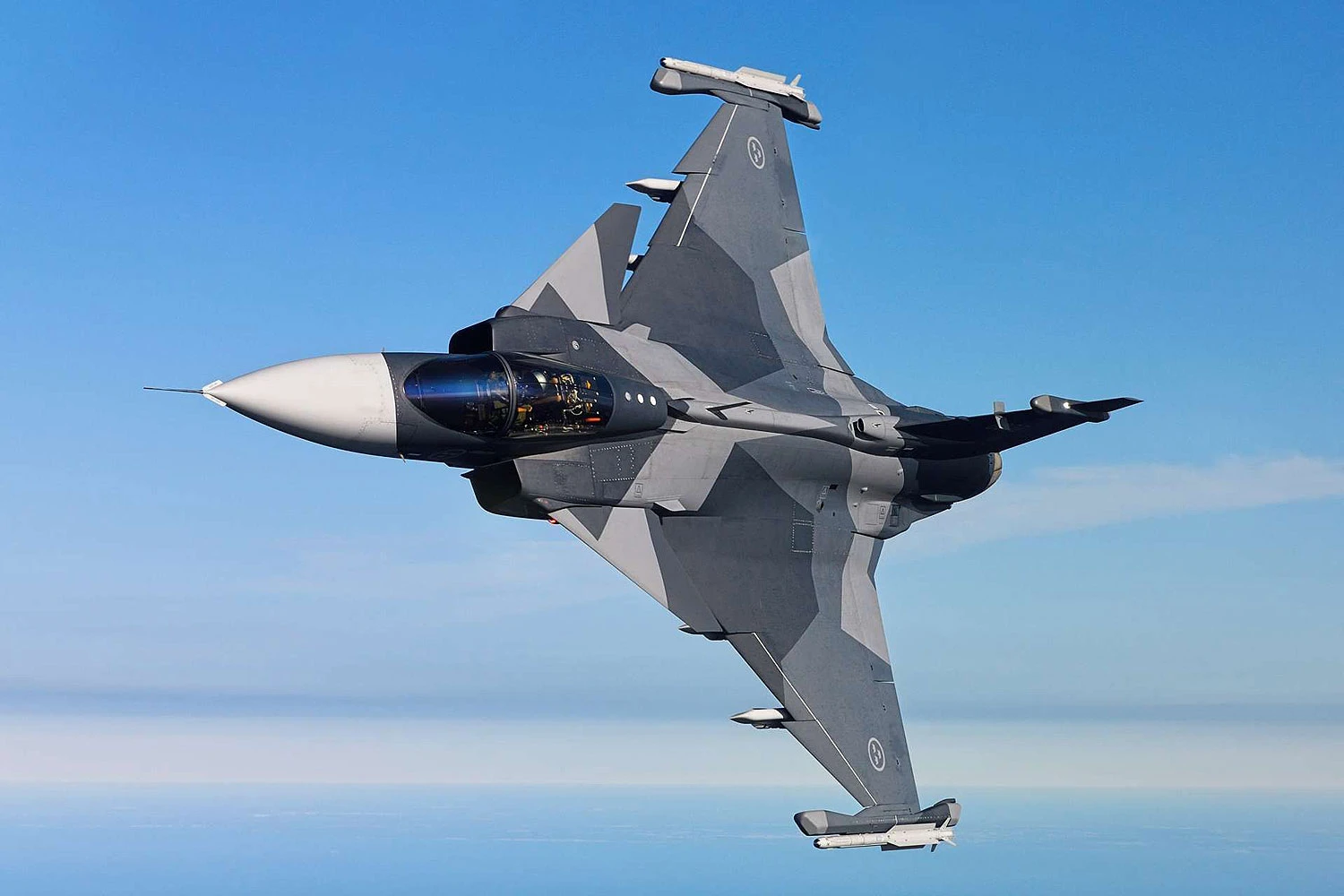
During a recent parliamentary hearing, defense leaders reiterated their preference for the F-35, highlighting its fifth-generation capabilities in the context of evolving threats from actors such as China and Russia. Saab, meanwhile, continues to promote the Gripen E’s rapid upgradability and potential technological advantages.
The F-35 acquisition was announced following an assessment of economic offsets offered by both Lockheed Martin and Saab. Analysts remain skeptical about Ottawa’s ability to extract further concessions without increasing the overall contract value.
The government continues to seek additional benefits from Lockheed Martin, with the outcome likely to shape both the industrial landscape and the future composition of Canada’s fighter fleet.