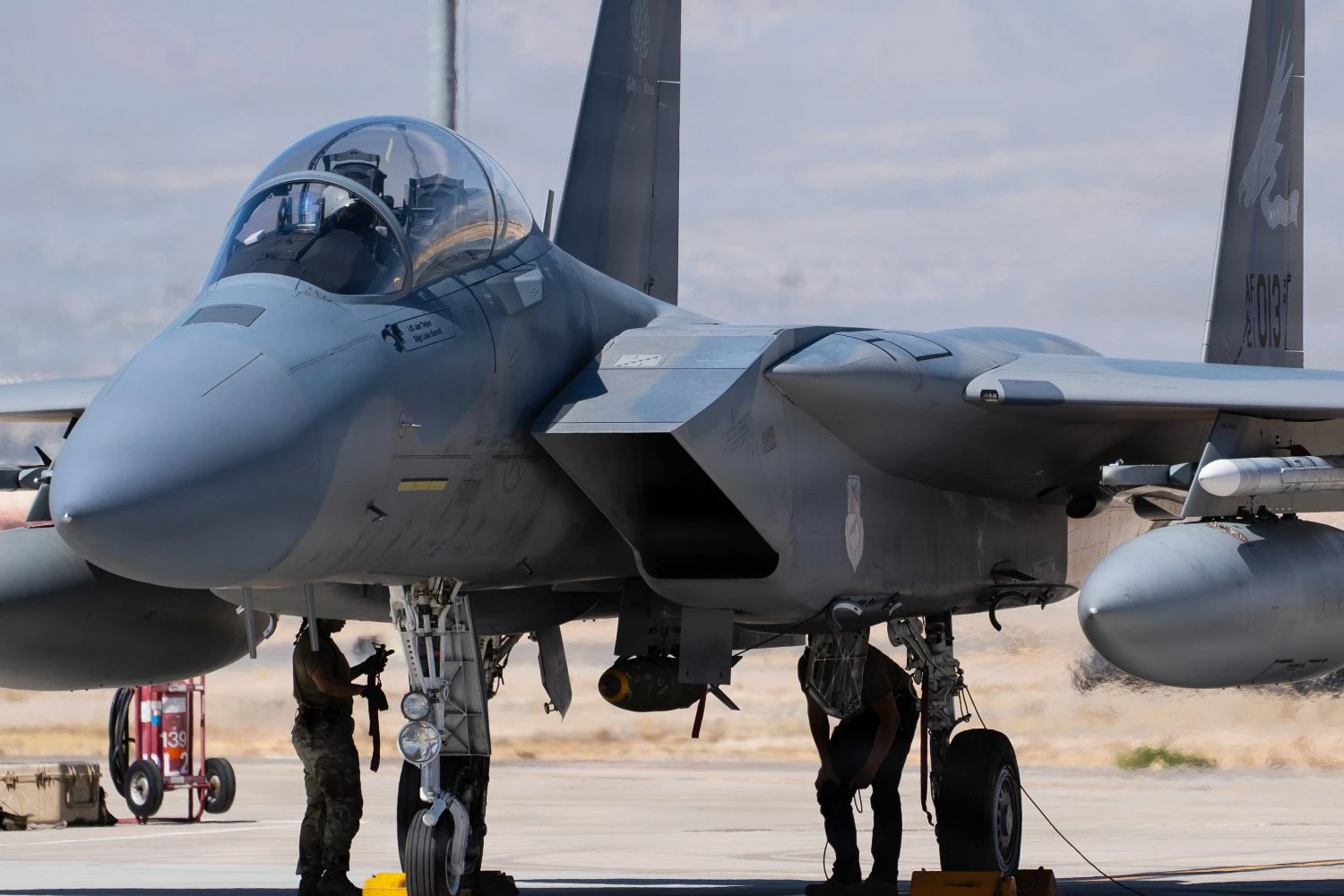
Boeing has received a US$2.38 billion contract for 22 additional F-15EX Eagle II fighter jets for the U.S. Air Force, which now has 120 aircraft under contract.
The new award covers Lot 7 of the program and follows the delivery of F-15EX-22, the first aircraft from Lot 3. Boeing said deliveries from the third production lot will continue through the remainder of 2026.
The contract also widens the gap between the number of F-15EX fighters ordered and those already delivered. Only 22 aircraft have reached the Air Force so far, while Boeing and the service are working to increase production to two jets per month.
Production needs to accelerate
The F-15EX program has faced production delays in recent years. Boeing initially struggled with manufacturing problems involving the forward fuselage and later encountered other supply chain and quality issues.
The delays have pushed back subsequent production lots. Deliveries from Lot 4, previously expected to begin in 2026, are now scheduled to start in 2028.
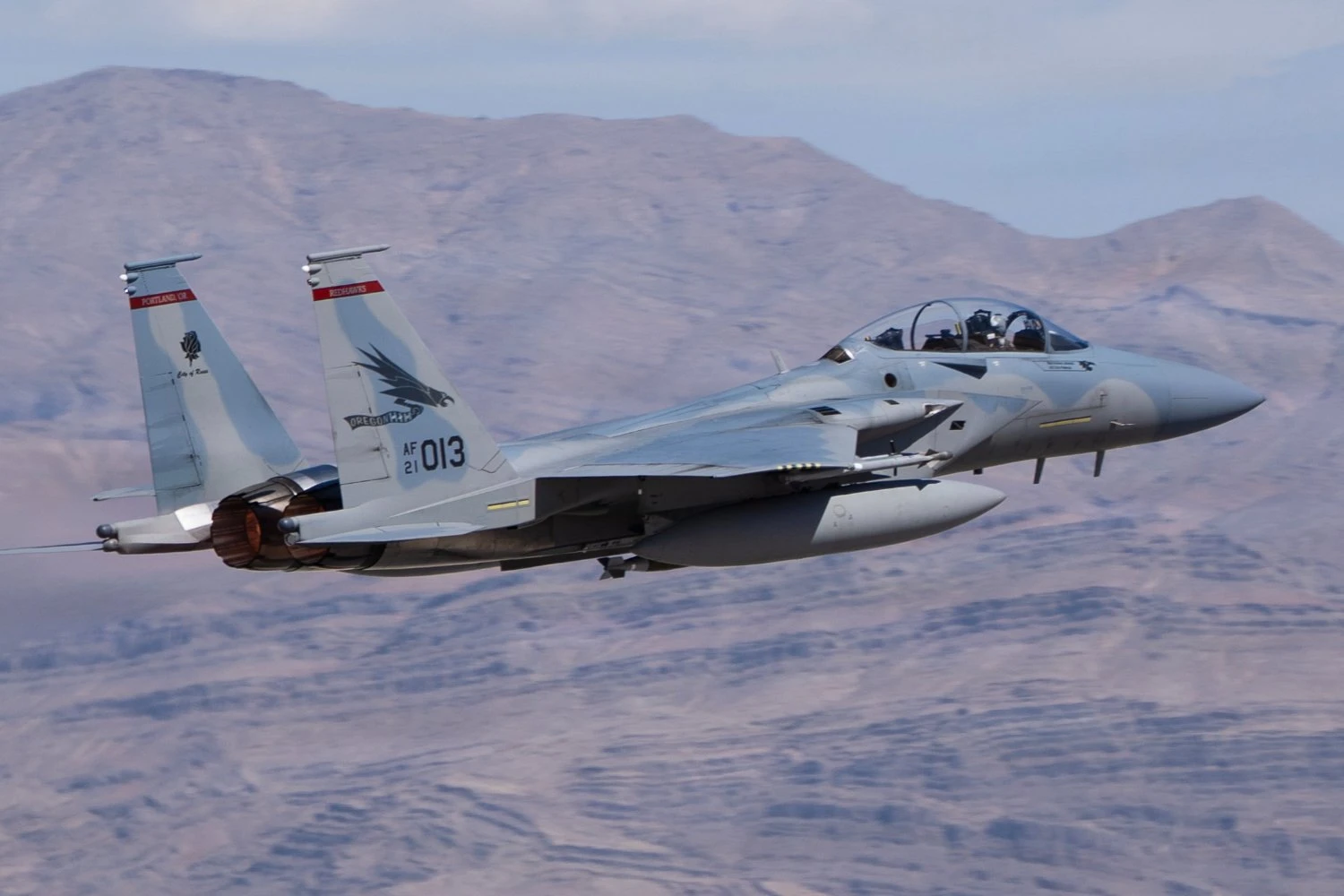
The Air Force and Boeing are trying to increase output at the company's St. Louis assembly line to two F-15EX fighters per month. The higher rate will become increasingly important after the service substantially expanded its plans for the aircraft.
The Air Force had previously intended to stop procurement at 98 F-15EXs, but its latest force structure plans call for a fleet of more than 260 aircraft. The fighter is now expected to replace not only older F-15C/Ds but also part of the F-15E Strike Eagle fleet.
120 aircraft across seven lots
Before the latest award, Boeing had contracts covering 98 F-15EX fighters through Lot 6. The 22 aircraft in Lot 7 raise the contracted total to 120.
Earlier Air Force budget documents had indicated a Lot 7 purchase of 21 aircraft. Boeing's announcement on Tuesday confirms a 22-aircraft contract but does not explain the increase of one fighter from the previous planning figure.
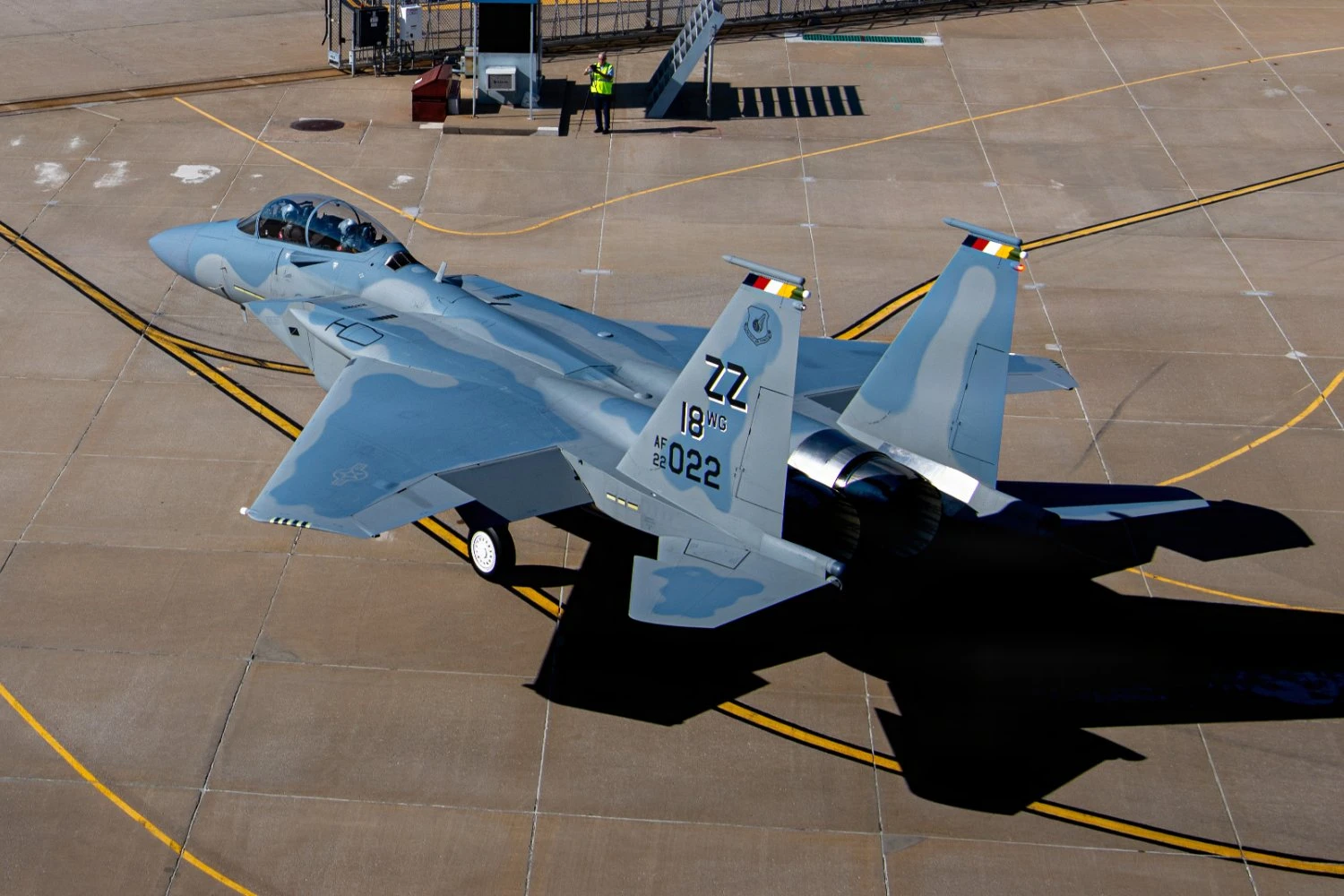
The F-15EX is the latest production version of the Eagle family and is equipped with a digital cockpit, an active electronically scanned array radar, an electronic warfare system and an open mission systems architecture.
The first operational F-15EXs are assigned to the Oregon Air National Guard's 142nd Wing at Portland. More recently, the Air Force began receiving aircraft intended for Kadena Air Base in Japan, where the type will replace F-15C/D fighters withdrawn from permanent deployment there.