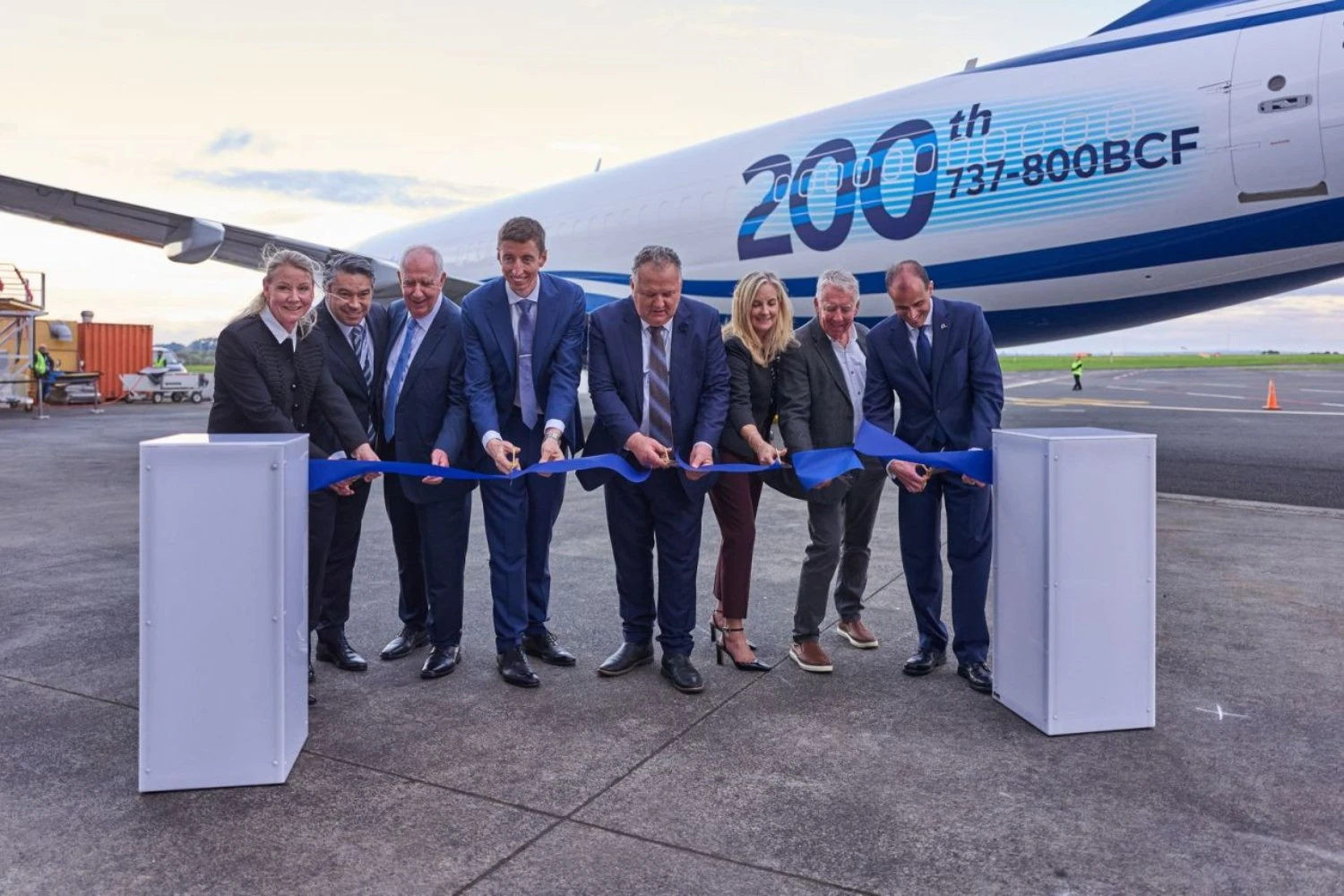
Boeing has delivered the 200th 737-800 Boeing Converted Freighter (BCF), a decade after launching a program that has given a second life to a growing share of one of the most widely produced commercial aircraft of its generation.
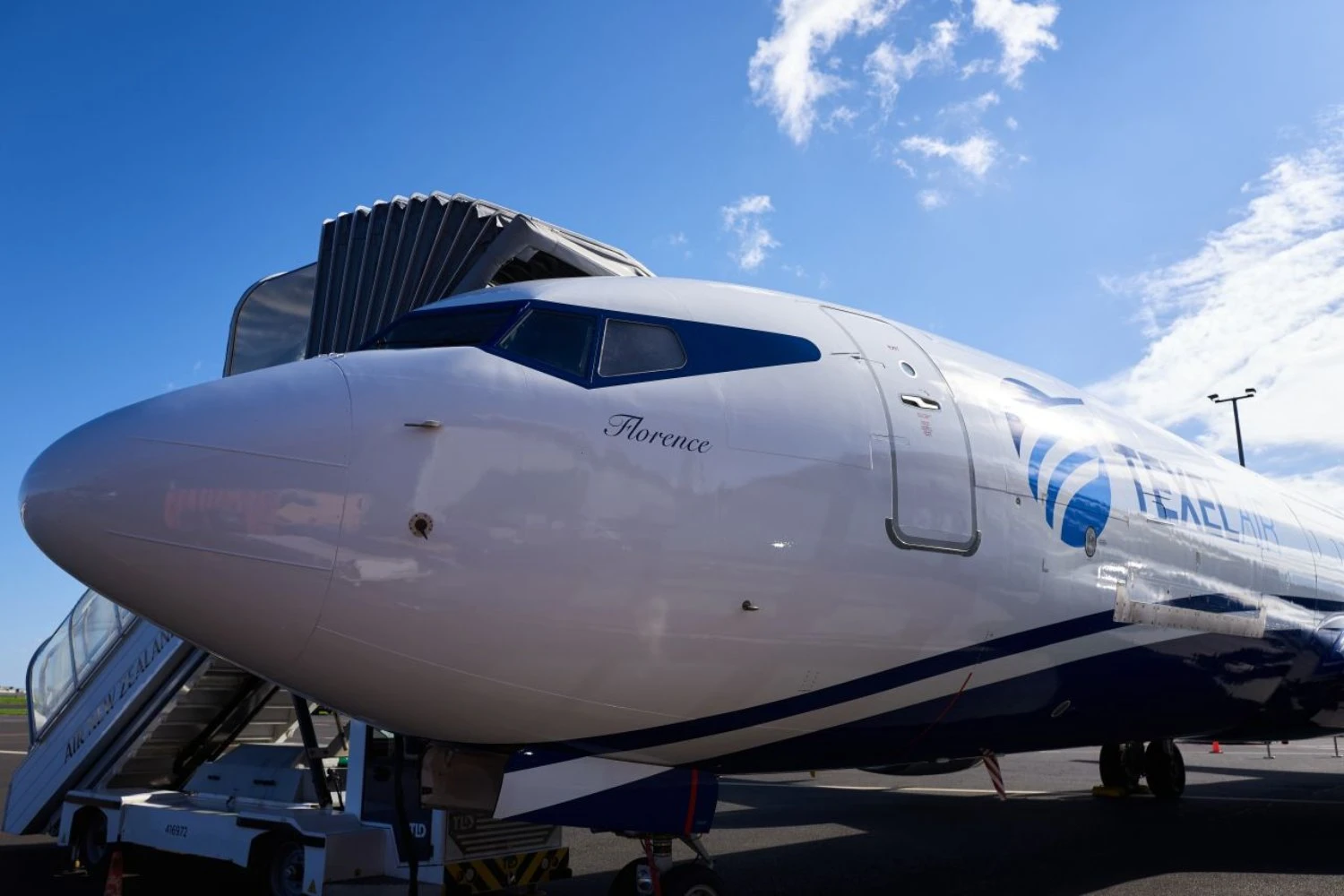
The milestone aircraft, registered ZK-TXH and named Florence, was delivered to Babcock & Brown Aircraft Management (BBAM) and leased to Texel Air Australasia. The freighter was presented during an event at Auckland Airport on October 10 with a special marking commemorating the 200th conversion.
The number gains significance when compared with the size of the original passenger fleet. Boeing produced 4,991 commercial 737-800s, making it by far the most numerous version of the 737 Next Generation family. The 200 aircraft converted through the BCF program alone correspond to about 4% of that production.
Boeing launched the 737-800BCF in 2016 and delivered the first aircraft in 2018. The program reached 100 deliveries in September 2022 and required roughly another four years to double that number.
Follow Air Data News: WhatsApp | Instagram | LinkedIn | Twitter | Facebook
The manufacturer has accumulated more than 250 orders and commitments for the 737-800BCF. If all are completed, the program would eventually convert the equivalent of about 5% of the entire 737-800 production run.
BCF is not the only path available to turn retired passenger 737-800s into freighters. Aeronautical Engineers Inc. (AEI) offers the 737-800SF and Israel Aerospace Industries (IAI) developed the 737-800BDSF. Aviation Week estimated the worldwide 737-800 freighter fleet at about 285 aircraft in July, including examples converted under the three programs.
The large supply of potential donor aircraft has helped make the 737-800 one of the principal successors to older narrowbody freighters. Most examples were originally built for passenger airlines, and aircraft that have completed their first or second leasing cycles can be acquired and modified instead of being retired.
That supply is also entering a favorable age range for conversion. Boeing says 33% of the 737-800s inducted into its BCF program since 2021 were already more than 20 years old. Passenger-to-freighter conversions can extend the economic life of aircraft that may no longer be competitive in intensive passenger service.
From passenger jet to freighter
The 737-800BCF receives a large main-deck cargo door, reinforced floor structure and a cargo handling system during conversion. It can carry a maximum structural payload of about 24 tonnes and accommodate 12 pallet positions on the main deck.
With a 24-tonne payload, Boeing quotes a range of 2,000 nautical miles (3,700 km). The manufacturer says the aircraft uses up to 20% less fuel per tonne than previous-generation standard-body freighters such as converted 737 Classics.
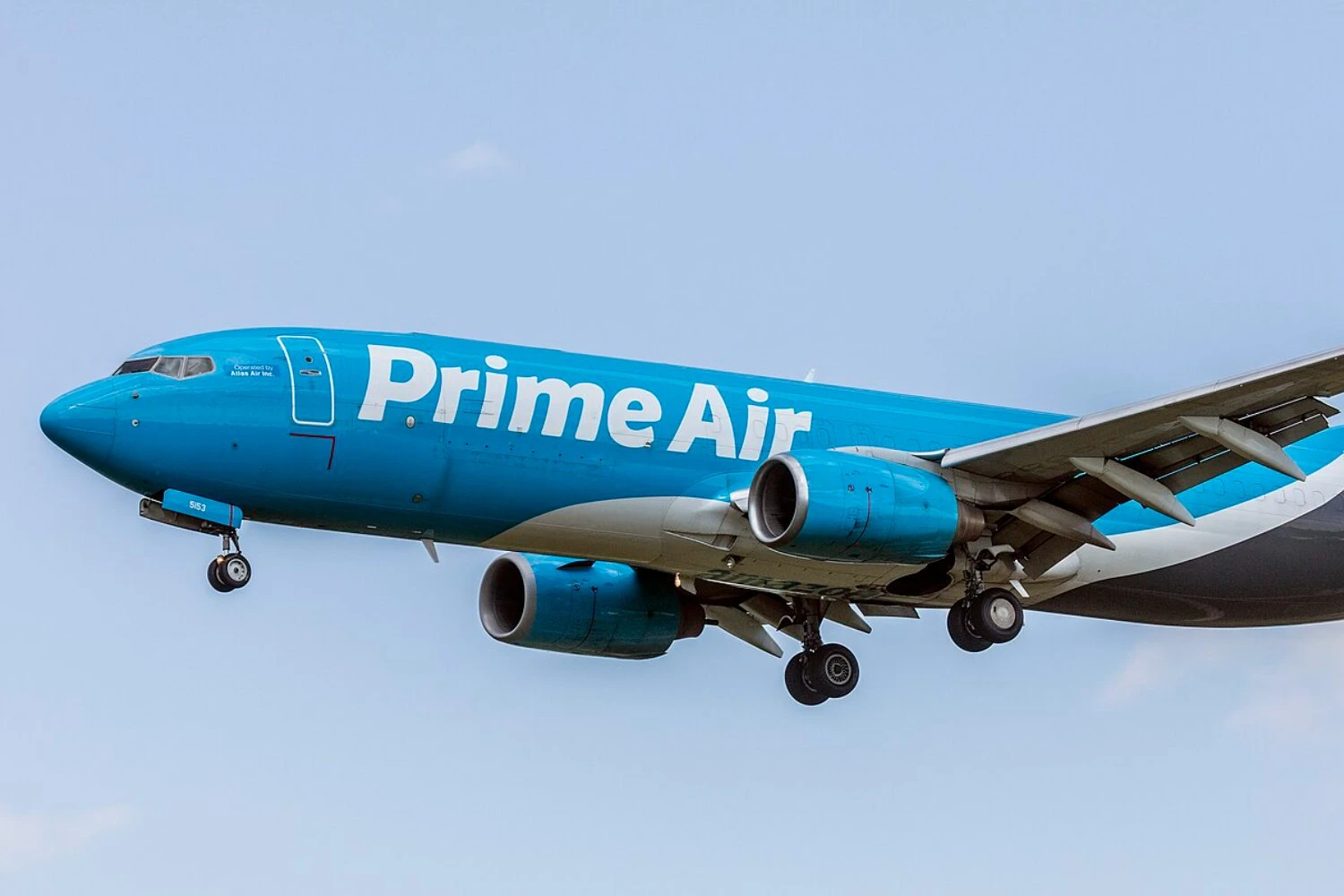
The type has found a particularly large market in express freight and e-commerce networks. Boeing says its 737-800BCF fleet has accumulated more than 482,000 flights and 950,000 flight hours with more than 50 operators worldwide.
The 200th aircraft also illustrates how quickly individual operators have expanded their use of the type. Texel Air introduced its first 737-800BCF in January 2022 and now operates 10 across the group, including seven with Texel Air Australasia. Its fleet therefore accounts for about 5% of all 737-800BCFs delivered so far.
Before its conversion, ZK-TXH flew as a passenger aircraft with Virgin Blue, Pacific Blue and Virgin Australia. Built in 2008, the aircraft spent about 17 years in passenger service before beginning its second career as a freighter.