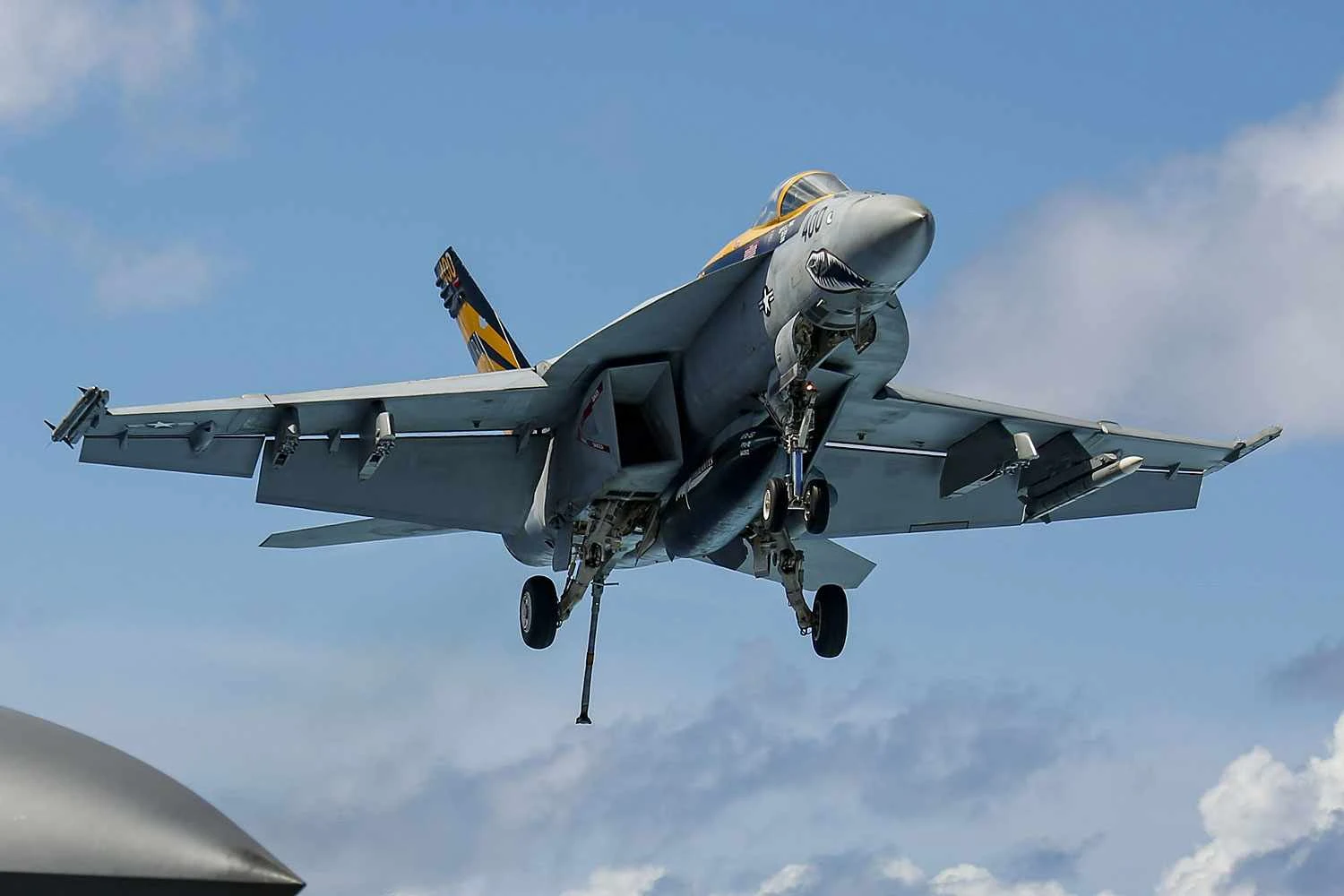
Boeing is preparing for the end of F/A-18E/F Super Hornet and EA-18G Growler production under a US Navy contract that establishes how manufacturing equipment and tooling will be handled after the final aircraft leave the assembly line.
The US Navy awarded Boeing a US$16.7 million contract on September 29 to support the systematic shutdown of the production lines. The work is scheduled to continue through November 2030, several years after manufacturing of new aircraft ends.
The 2030 date does not represent an extension of aircraft production. Instead, the contract covers the inventory and evaluation of government-owned equipment, including decisions on which specialized tools must be retained to support the existing fleet.
Boeing had already announced plans in 2023 to end Super Hornet production after completing its remaining orders. Congress subsequently funded another 17 F/A-18E/F Block III aircraft under a US$1.3 billion contract awarded in 2024, extending manufacturing beyond the previously planned shutdown.
Follow Air Data News: WhatsApp | Instagram | LinkedIn | Twitter | Facebook
Deliveries of those final aircraft are expected to begin in late 2026 and conclude in the spring of 2027.
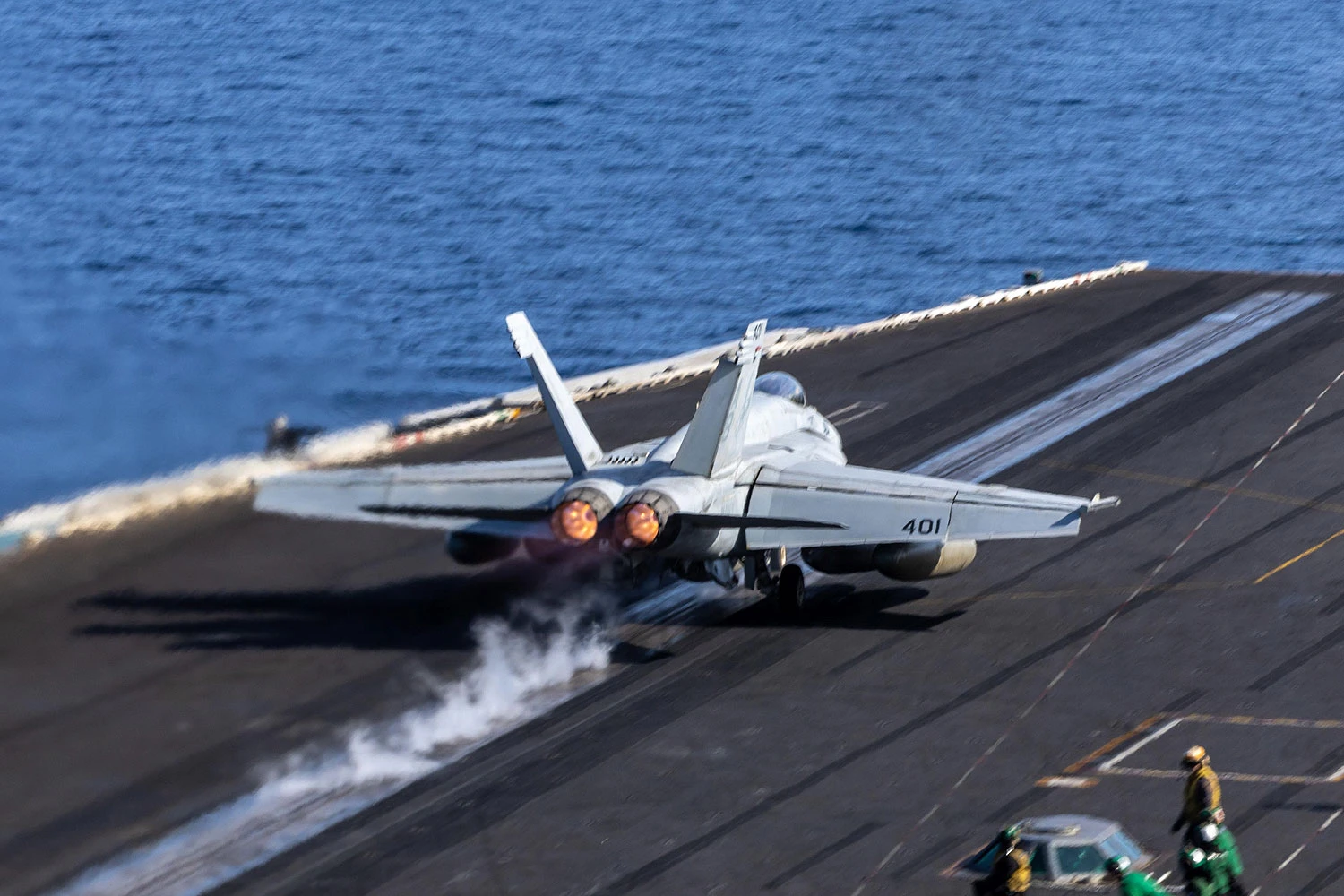
Production ends before aircraft leave service
The end of manufacturing will come more than three decades after the first F/A-18E/F flew in November 1995. The Super Hornet entered US Navy service in 1999 and gradually replaced earlier F/A-18 variants as the service's principal carrier-based fighter.
Production also gave rise to the EA-18G Growler electronic warfare aircraft, which entered service in 2009 as a replacement for the EA-6B Prowler.
Ending the assembly line will not end Boeing's work on the Super Hornet. The US Navy plans to operate the type into the 2040s and has been extending the service life of existing aircraft through the Service Life Modification (SLM) program.
The work can increase the life of selected Super Hornets from 6,000 to as many as 10,000 flight hours and incorporates upgrades associated with the Block III configuration.
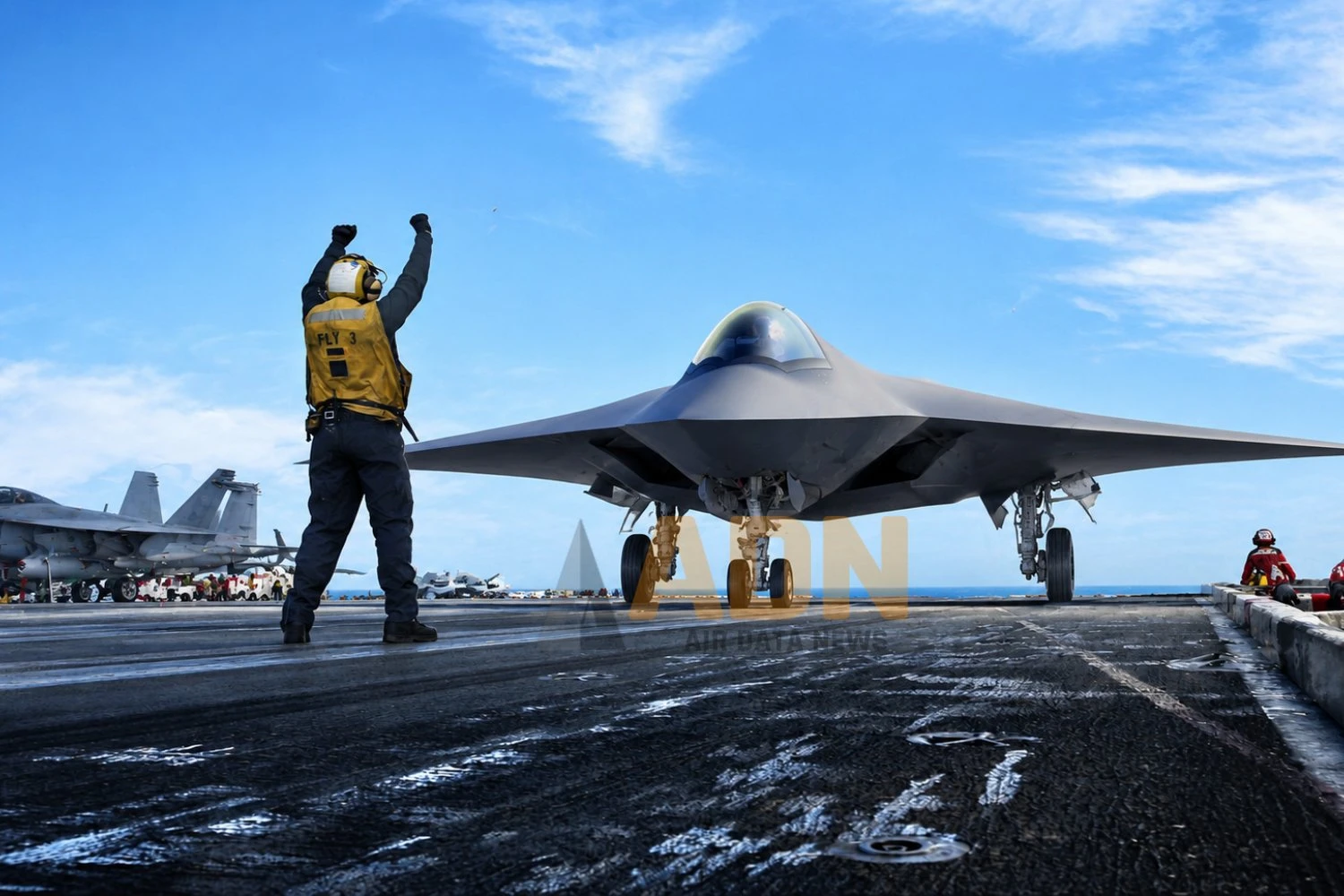
Long transition to F/A-XX
The production shutdown comes as the US Navy begins developing the aircraft intended eventually to succeed the Super Hornet.
Boeing was selected in September for the F/A-XX program, a sixth-generation carrier-based combat aircraft planned for introduction during the 2030s. The program is intended to provide greater range and survivability than the F/A-18E/F and operate alongside unmanned aircraft.
The timelines mean the transition will extend for years. New Super Hornet deliveries will end in 2027, well before the F/A-XX is expected to enter operational service, while upgraded F/A-18E/Fs are planned to remain in the fleet into the following decade.
Boeing will also continue military aircraft production in St. Louis after the Super Hornet line closes. The company is increasing F-15EX production and developing the F-47 for the US Air Force, in addition to its work on the F/A-XX.