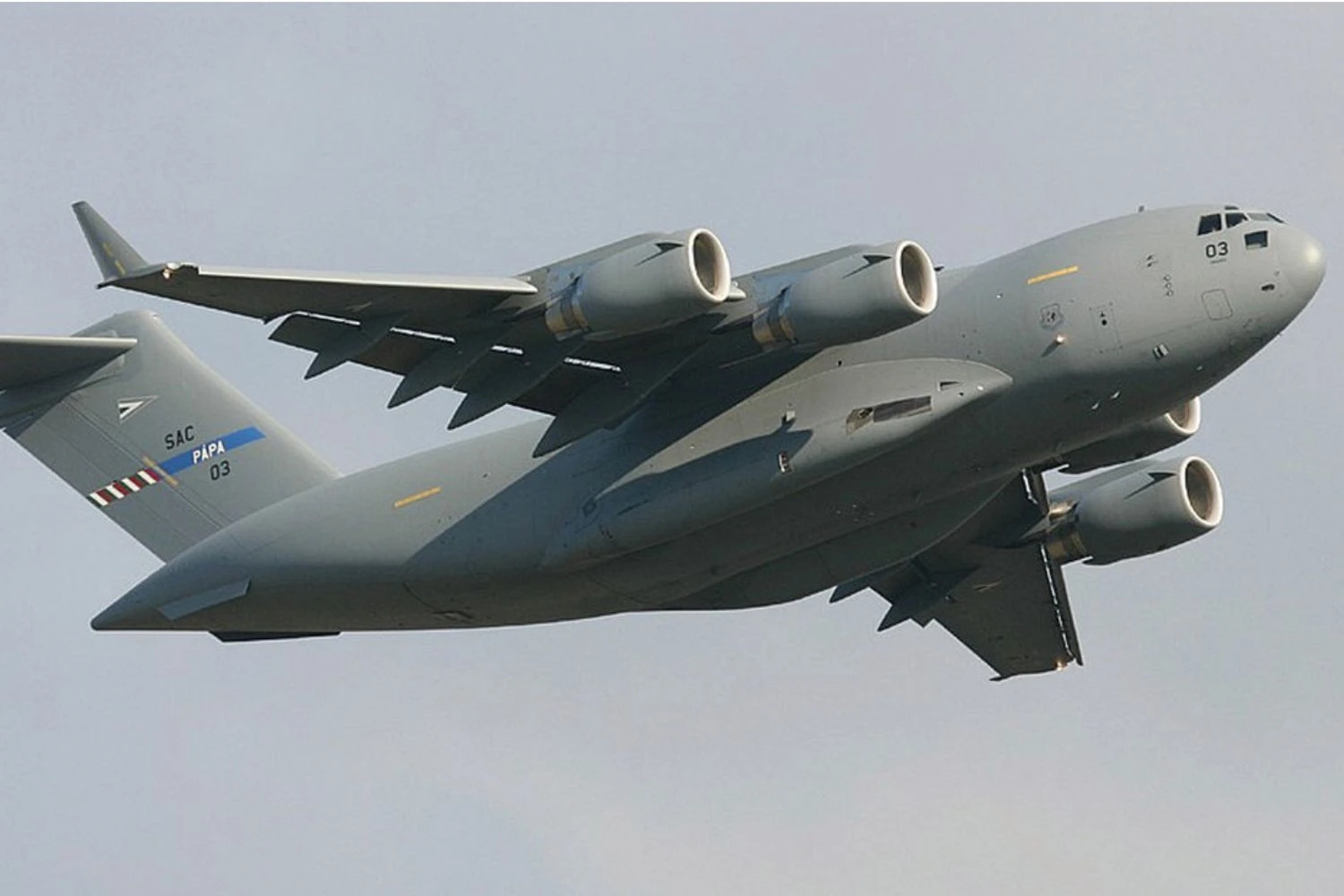
Boeing has received a contract worth up to US$31.9 million to provide logistics support for the C-17 Globemaster III flight simulator operated by the multinational Strategic Airlift Capability (SAC) program in Hungary.
The U.S. Department of War announced the agreement on October 29, with US$23.35 million committed at the time of the award. Work will be performed at Pápa Air Base and is expected to continue through October 31, 2029.
Follow Air Data News: WhatsApp | Instagram | LinkedIn | Twitter | Facebook
The contract covers logistics support for the C-17 Weapon System Trainer rather than maintenance of the three C-17 aircraft operated by the program.
The simulator allows crews from the Heavy Airlift Wing (HAW) to train at their home base in Hungary. Boeing received an earlier contract in 2020 to provide the training system, reducing the need to send personnel elsewhere for simulator sessions.
Three C-17s shared by 12 countries
The Heavy Airlift Wing operates an unusual fleet of three C-17s on behalf of 12 countries participating in the Strategic Airlift Capability (SAC) program.
The multinational initiative was established to give countries without their own strategic airlift fleets access to the capabilities of the large Boeing transport. The three aircraft have operated from Pápa since 2009.
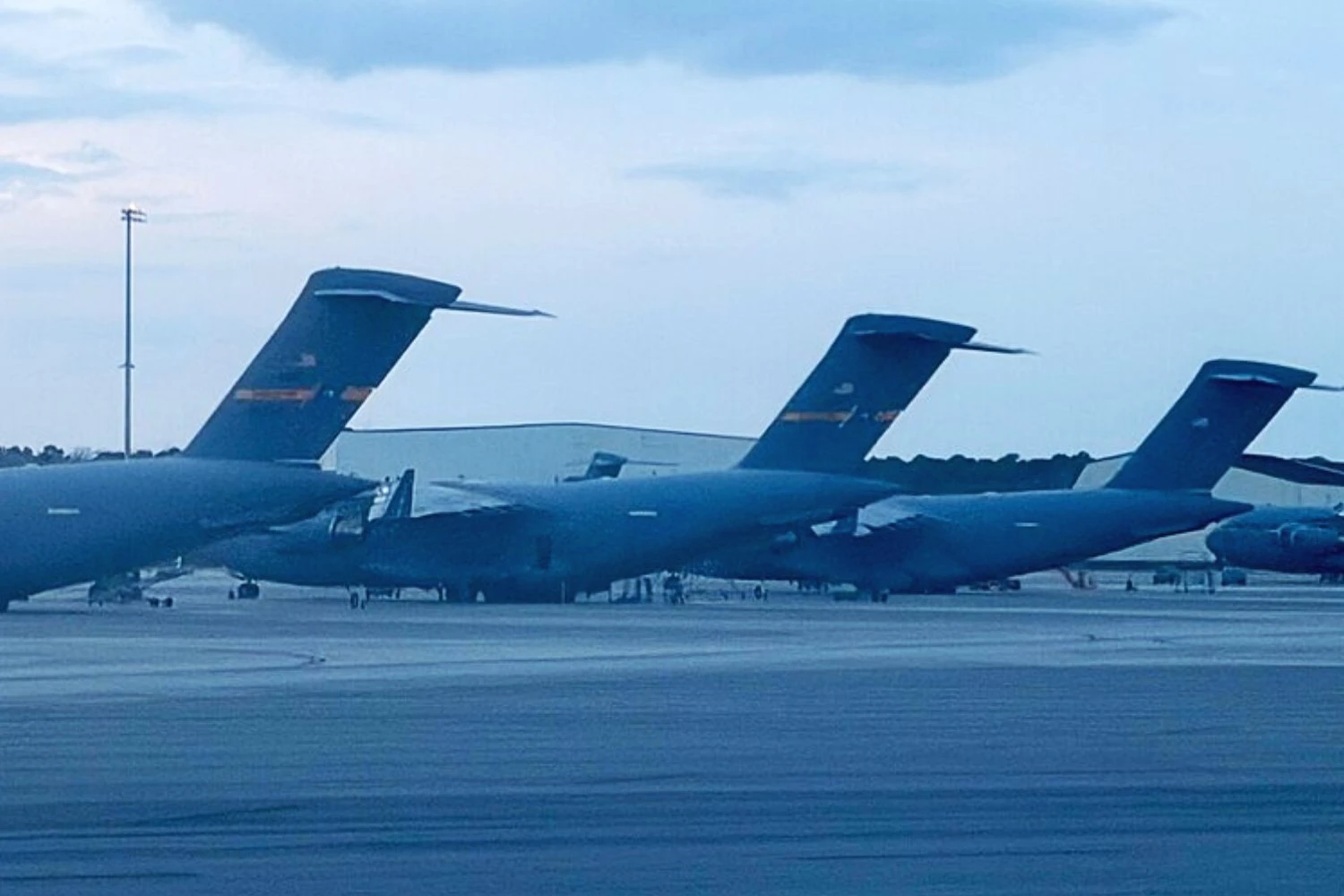
Participating nations receive a share of the available flying hours according to their contribution to the program and can use the aircraft for military deployments, exercises, humanitarian missions and other transport requirements.
The fleet is supported through the same logistics system used for U.S. military C-17s, giving the program access to technical support and modifications developed for the much larger U.S. Air Force fleet.
Boeing also maintains a significant presence at Pápa, with personnel supporting the operation of the three aircraft.
Production of the C-17 ended in 2015 after 279 aircraft were built. Boeing has continued supporting the global fleet since then and is studying options to extend the type's service life as operators increase utilization of the strategic transport aircraft.
