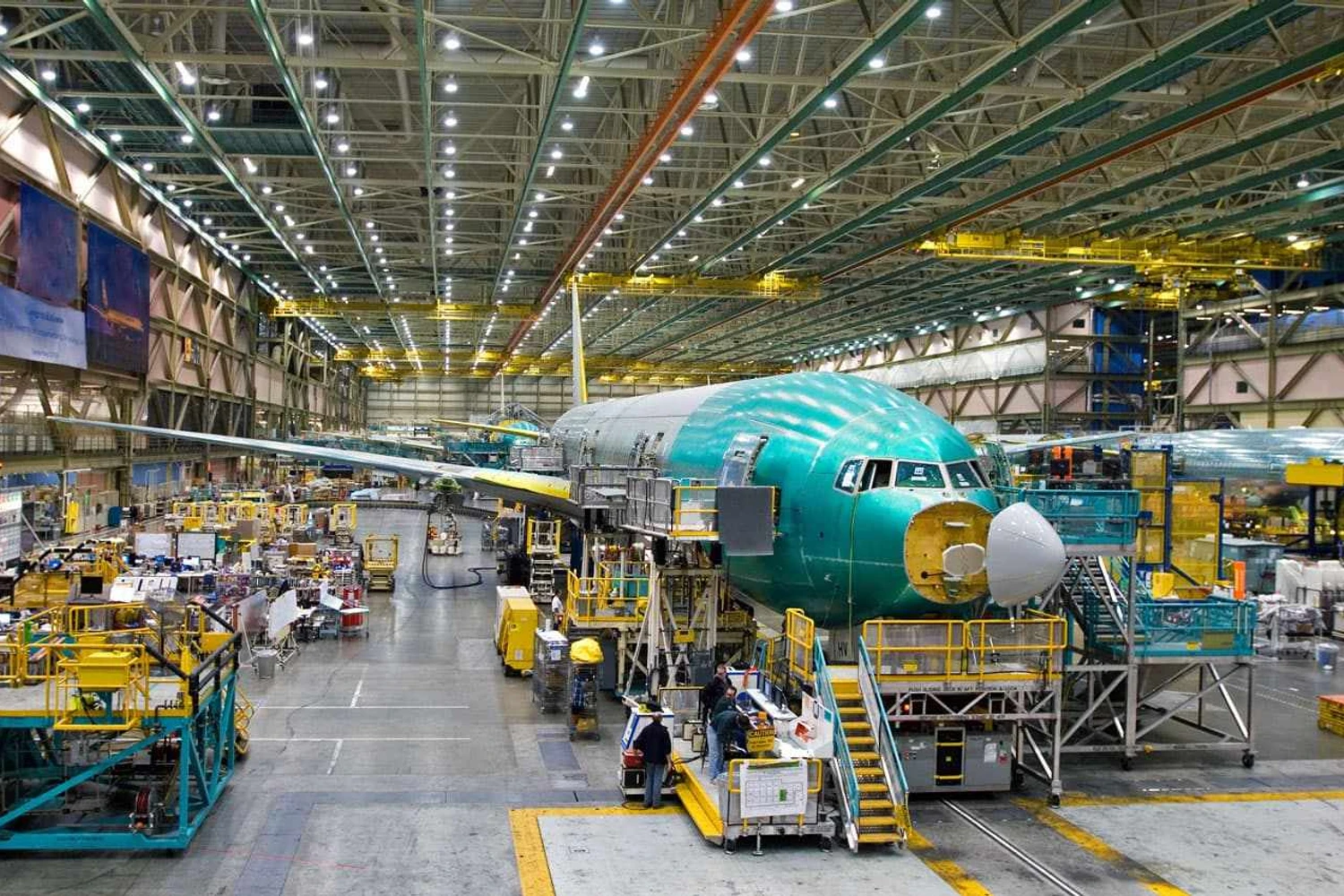
Boeing faces the possibility of another major labor dispute after engineers and technical workers in the United States rejected new four-year contract offers and overwhelmingly authorized their union to call a strike if negotiations fail.
Members of the Society of Professional Engineering Employees in Aerospace (SPEEA) completed voting on August 21. The union represents approximately 13,000 engineers and 4,000 technical workers at Boeing, primarily in Washington state.
Follow Air Data News: WhatsApp | Instagram | LinkedIn | Twitter | Facebook
Among engineers, 64.25% rejected the company's proposal, while 71.87% of technical workers voted against their offer. The votes authorizing potential strike action were considerably stronger: 87.82% among engineers and 89.71% among technical workers.
The current contracts expire on October 6, meaning a strike could begin as early as October 7. SPEEA says it remains willing to resume negotiations, while Boeing has begun preparing contingency plans.
The result is notable because the union's negotiating teams had helped reach the tentative agreements and recommended their approval. Boeing said its proposals would have increased average pay by nearly 30% over four years, alongside three additional days of paid leave, tighter restrictions on mandatory overtime and expanded opportunities for remote work.
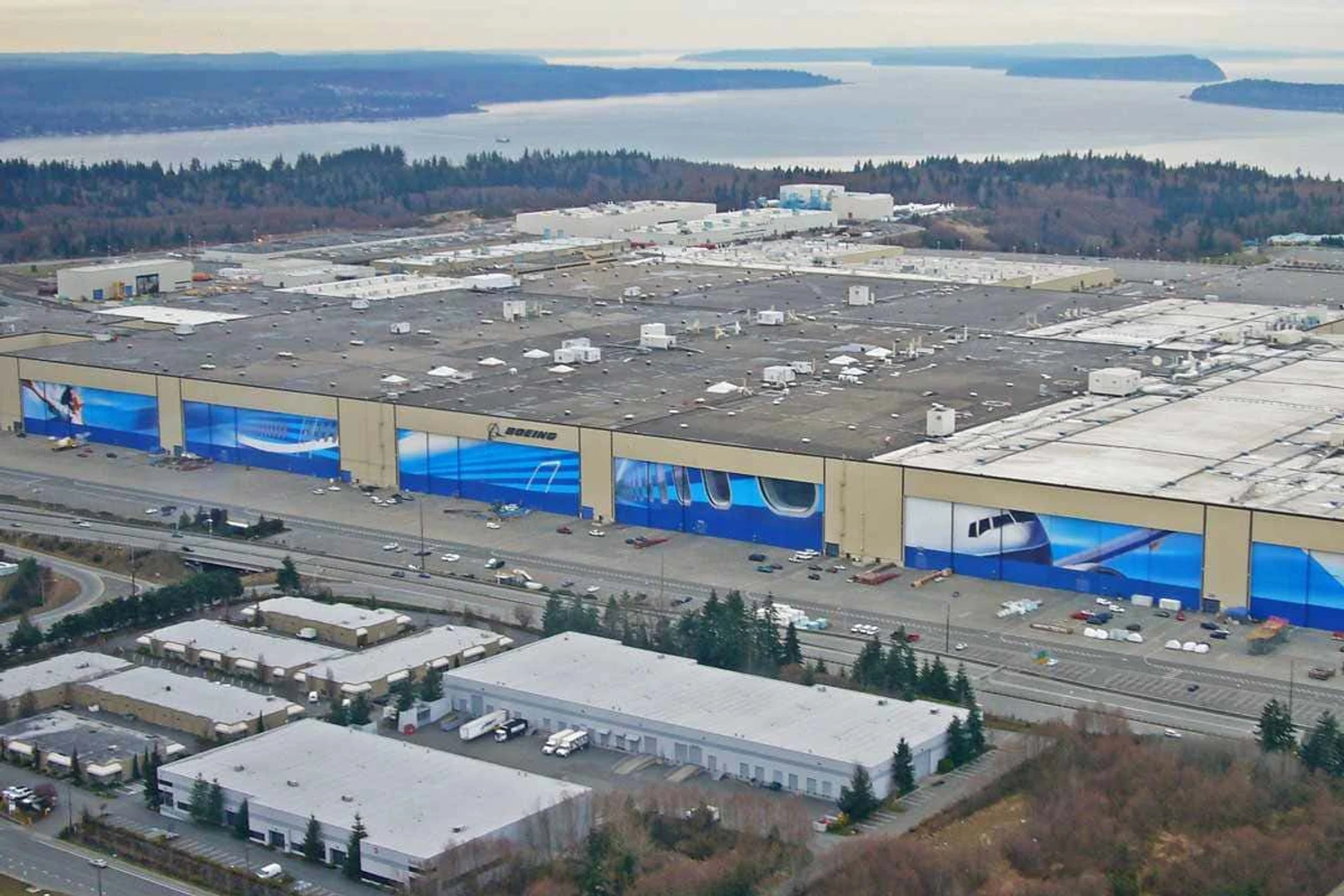
Union members, however, have raised concerns extending beyond compensation. SPEEA says workers are increasingly worried about engineering and technical jobs being transferred away from the region, management overruling technical decisions, pressure to prioritize schedules over quality and difficulties retaining experienced employees.
SPEEA is now surveying its members to identify the changes required for a new agreement, with responses due by August 26.
First potential SPEEA strike since 2000
A walkout would create a different problem for Boeing from the production shutdown it experienced in 2024.
That strike involved approximately 33,000 members of the International Association of Machinists and Aerospace Workers (IAM) and stopped much of Boeing's commercial aircraft production in the Seattle area for 53 days.
SPEEA's last strike against Boeing occurred in 2000. Its members perform engineering and technical work across the company's aircraft programs rather than primarily assembling aircraft on production lines.
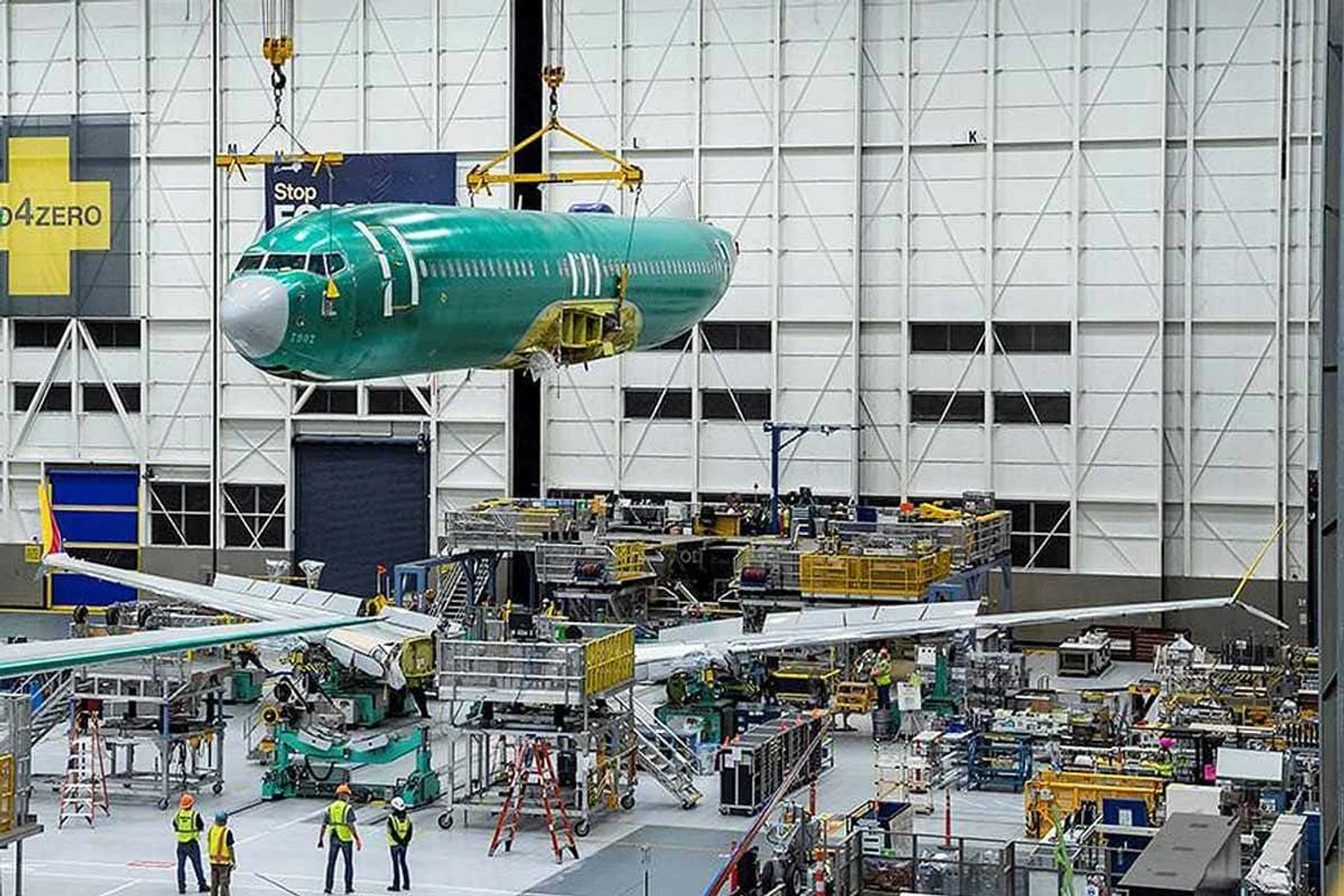
A strike would consequently come at a sensitive time for Boeing. The US manufacturer is increasing commercial aircraft production while continuing certification work on programs including the 737 MAX 7, 737 MAX 10 and 777-9.
There is still more than a month before the existing agreements expire, leaving Boeing and SPEEA time to negotiate new terms. The scale of the strike authorization, however, gives the union considerable leverage if the two sides return to the bargaining table.