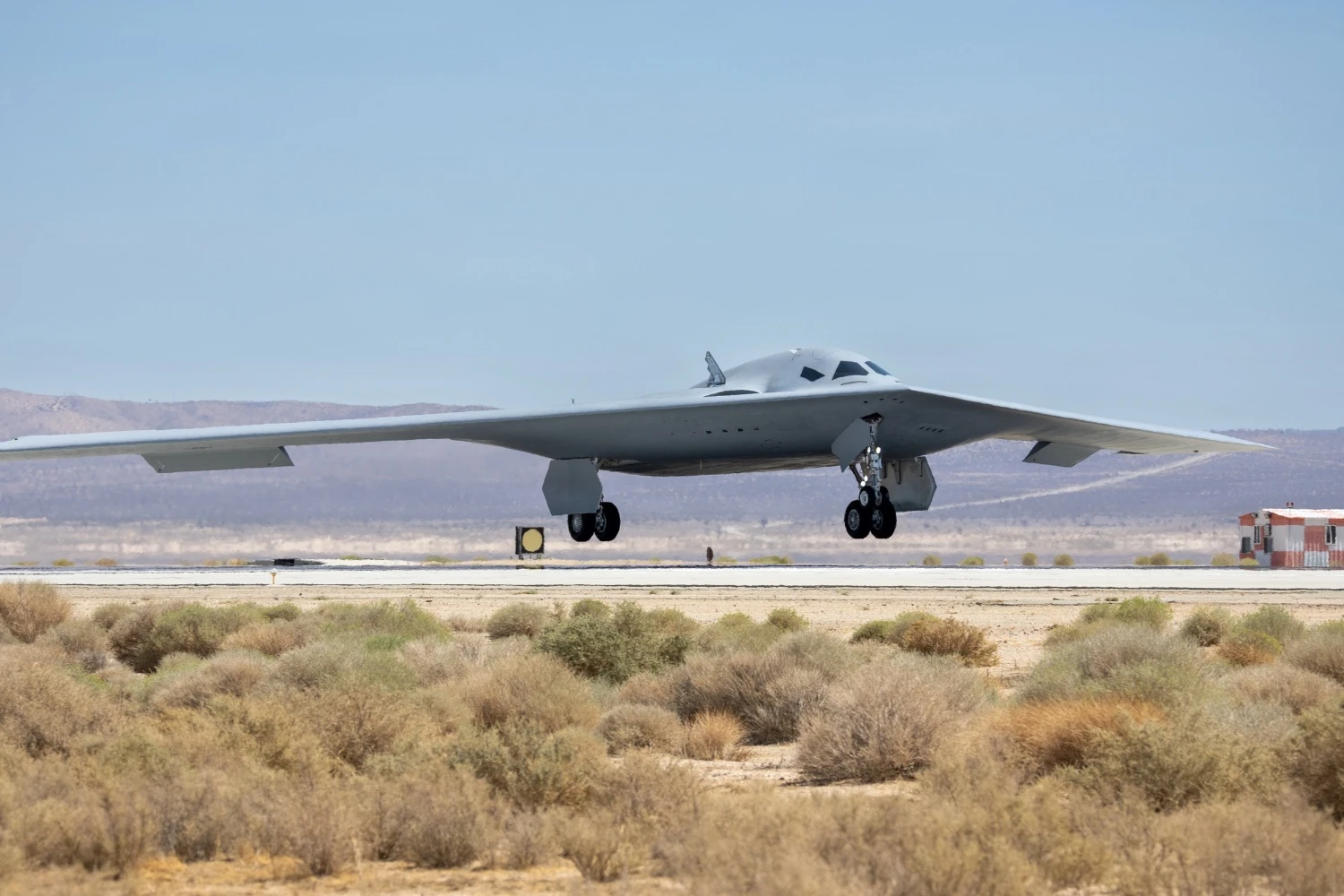
The US Air Force has successfully conducted a conventional weapons release test with the Northrop Grumman B-21 Raider at Edwards Air Force Base in California. The service did not disclose the type of weapon used or the date of the test.
According to the Air Force, the test validated the digital models used to predict the munition's behavior after separation from the bomber. Officials did not specify whether the weapon struck a target or release footage of the event.
The operation followed thousands of hours of virtual testing using the B-21's digital twin, a computer-based representation of the aircraft and its systems. Engineers used these simulations to predict and refine the weapon's trajectory before conducting the flight test.
Weapons integration moves forward
Weapons separation is a particularly important part of developing a stealth bomber. The B-21 carries its weapons internally to preserve its low-observable characteristics, requiring engineers to verify that each munition can safely leave the aircraft's weapons bay.

The Air Force said the test also demonstrated the maturity of the bomber's open systems architecture, designed to simplify the integration of additional weapons and technologies throughout its operational life.
Follow Air Data News: WhatsApp | Instagram | LinkedIn | Twitter | Facebook
The test follows the arrival of a second B-21 aircraft at Edwards in September 2025. Northrop Grumman previously explained that the first aircraft, nicknamed Cerberus, was primarily assigned to flight performance testing, with the second intended to support mission systems and weapons integration. The Air Force has not identified which aircraft conducted the latest test.
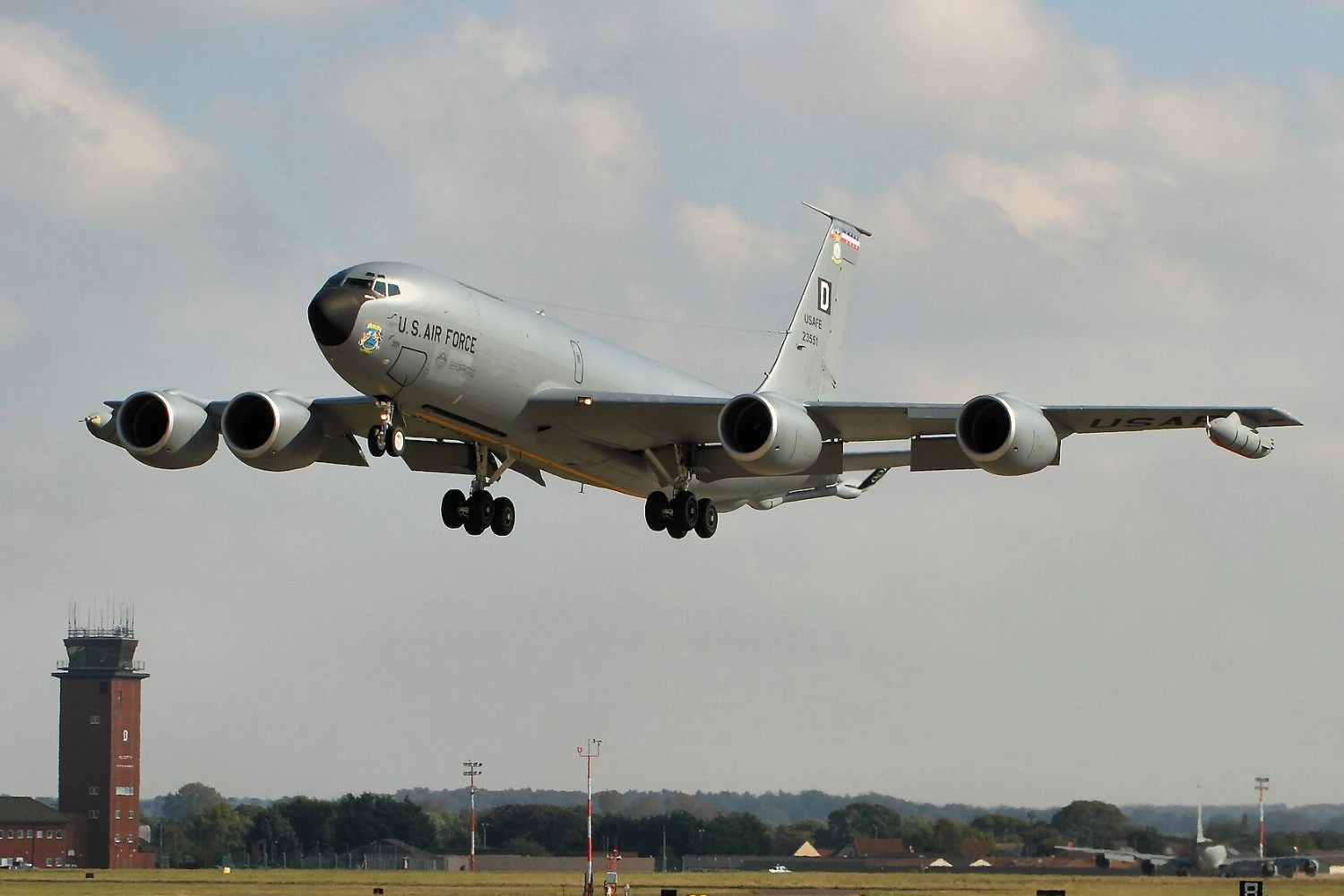
The B-21 also completed aerial refueling tests with a KC-135 Stratotanker earlier in 2026, which allowed the flight test program to conduct longer missions.
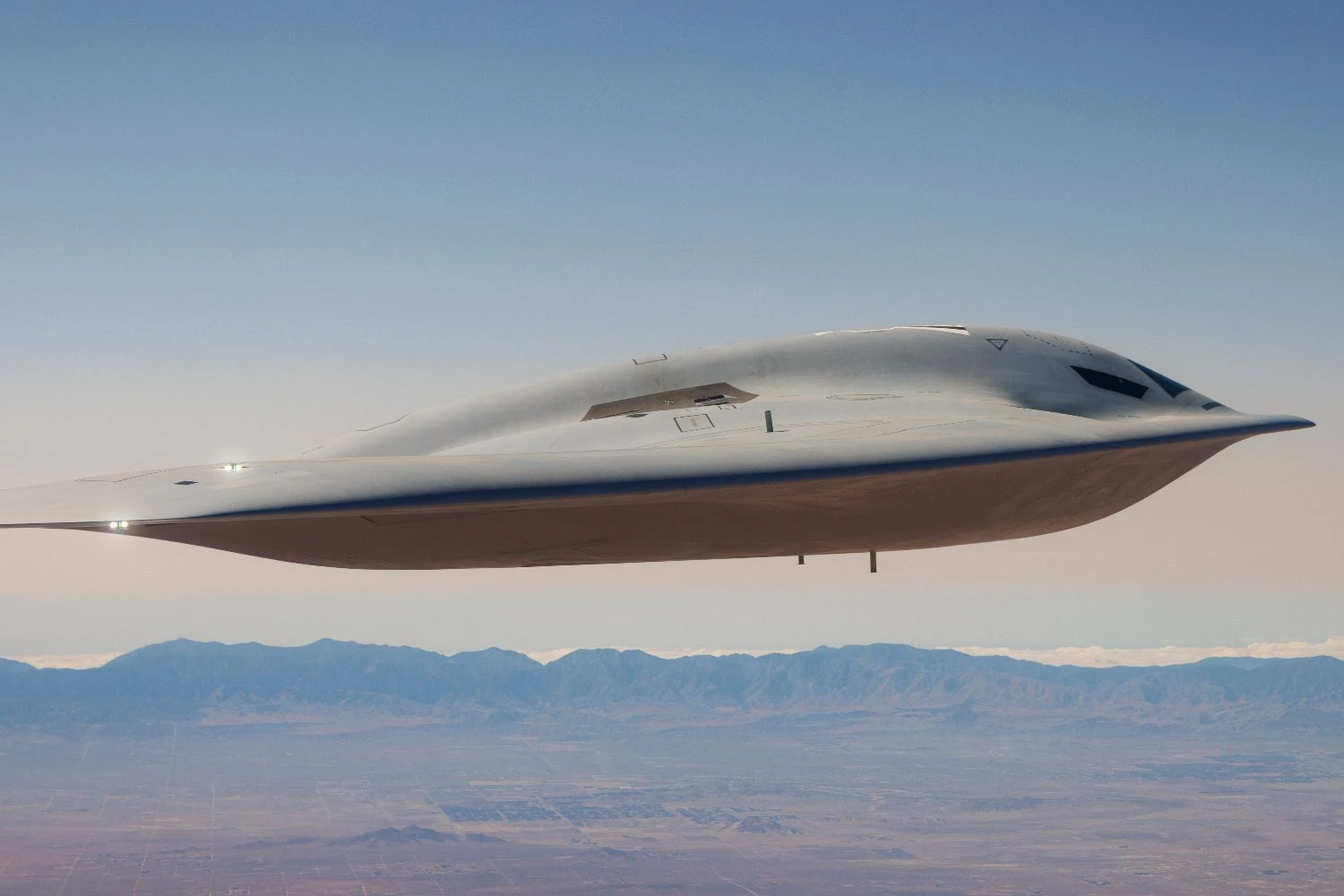
First operational aircraft expected in 2027
The Air Force reaffirmed that the B-21 program remains on schedule to begin receiving aircraft at Ellsworth Air Force Base in South Dakota in 2027. Their arrival will precede the bomber's full operational deployment.
The Pentagon plans to acquire at least 100 B-21s to replace the B-1B Lancer and B-2 Spirit. The new aircraft will operate alongside the modernized B-52 Stratofortress, forming the future US long-range bomber fleet.
Related news
Earlier this year, the Air Force announced an agreement to increase the B-21's annual production capacity by 25%, and Northrop Grumman began construction of an additional final assembly facility in Palmdale, California.
The B-21 is designed to carry conventional and nuclear weapons. The Air Force has not disclosed the specific weapons planned for the aircraft's initial operational configuration.