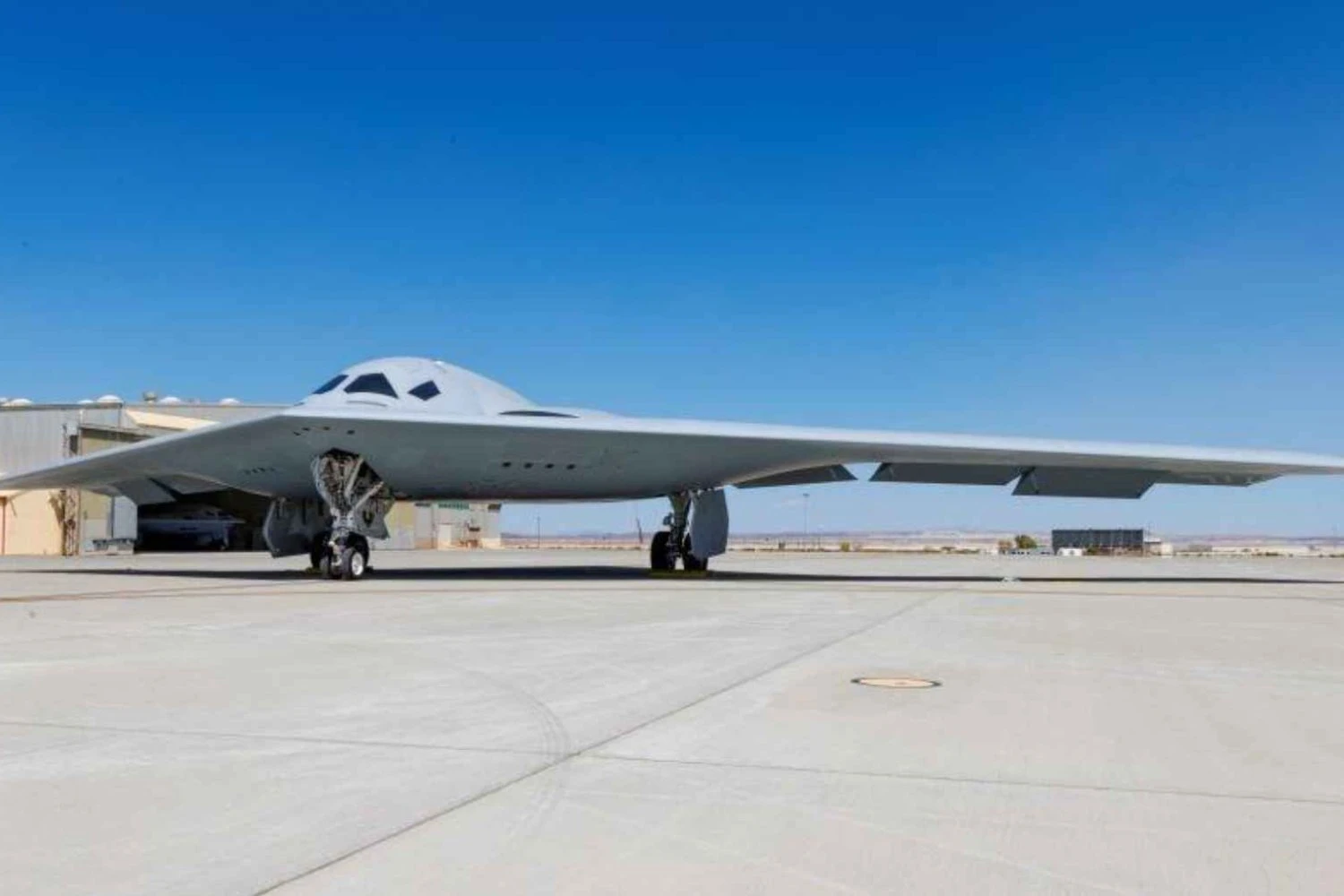
Northrop Grumman has already begun modernization work on the B-21 Raider, even though the new stealth bomber remains in flight testing and has yet to enter operational service with the U.S. Air Force.
The unusual overlap was disclosed by CEO Kathy Warden during the company's third-quarter earnings call. According to the executive, activity on the B-21 now extends beyond development and the gradual increase in aircraft production.
“We have sustainment starting to come into the program. We also have modernization that is ongoing in the program,” Warden said.
The B-21 was designed from the outset to receive new capabilities throughout its operational life. Its open systems architecture is intended to simplify changes to software and the integration of future sensors, weapons and other systems without requiring extensive redesigns.
Follow Air Data News: WhatsApp | Instagram | LinkedIn | Twitter | Facebook
Flight testing, meanwhile, continues alongside production of Low-Rate Initial Production (LRIP) aircraft. Warden said the Raider is meeting its key performance parameters and that each successful test milestone reduces the risk of problems emerging late in development.
Northrop is also expanding manufacturing capacity to accelerate B-21 production. The company expects much of the additional infrastructure to be in place through 2028, with higher production volumes expected later in the decade.
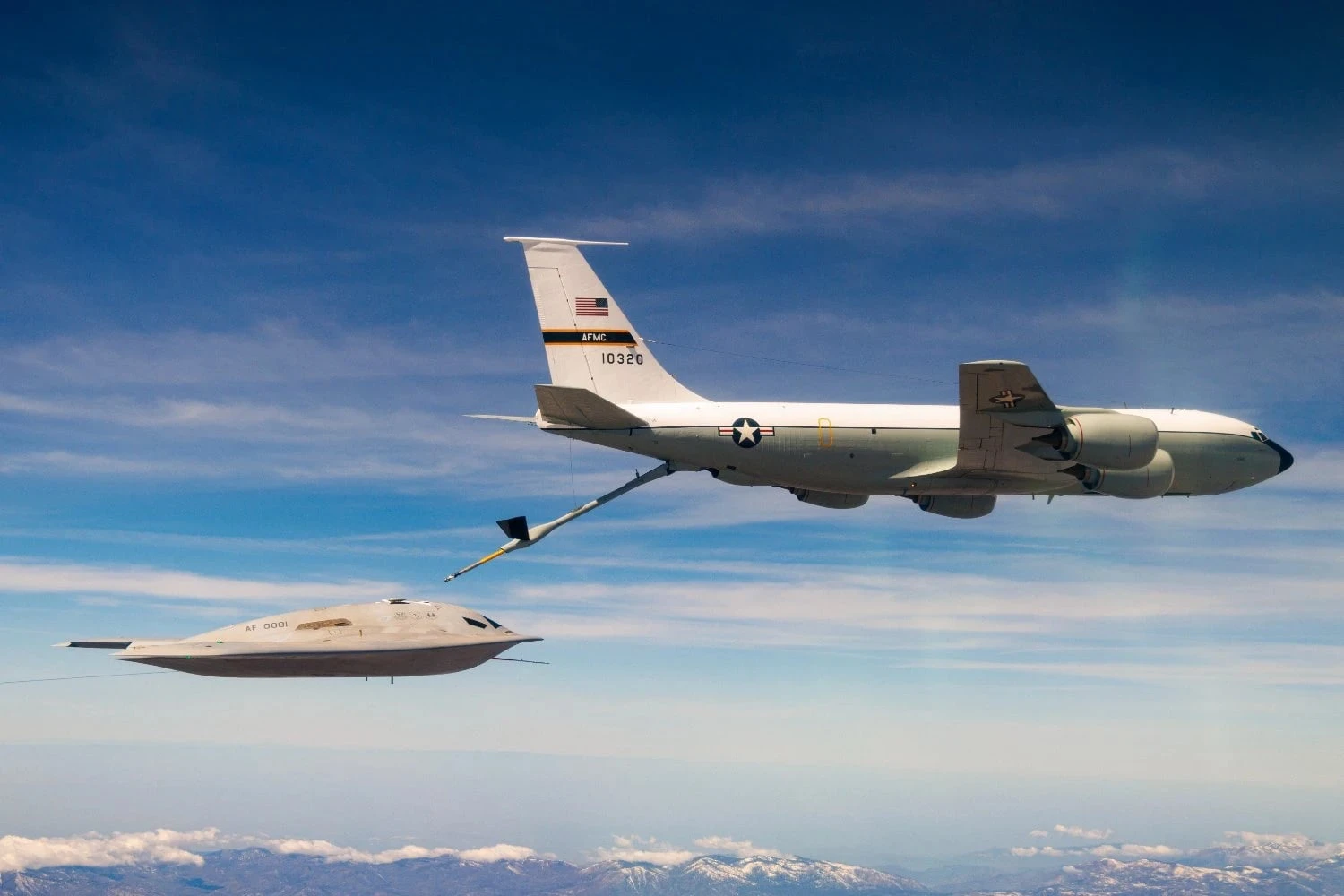
Northrop plans to invest approximately US$2.5 billion to expand B-21 production capacity under an agreement reached with the Air Force earlier this year.
That agreement also led to an unusual transaction disclosed in the latest financial results. Northrop received US$371 million from the Air Force for a B-21 that had been intended to remain a company-owned test aircraft.
The aircraft will instead join the Air Force fleet, allowing an earlier delivery without increasing the total number of bombers included in the LRIP phase.
B-21 activity is already having a greater impact on Northrop's results. Aeronautics Systems sales rose 14% to US$3.58 billion in the third quarter, with the company attributing part of the increase to higher Raider production volumes.