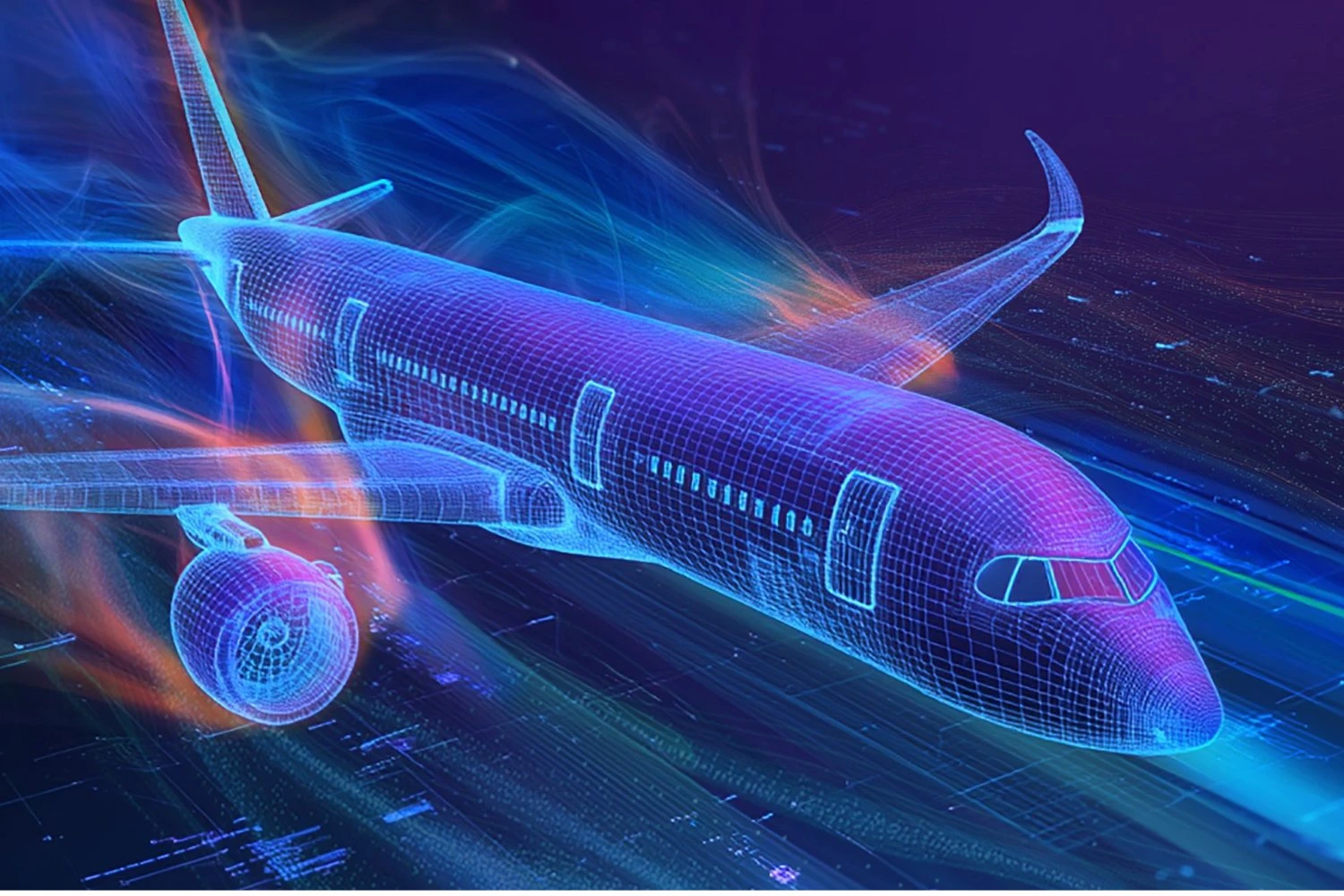
Airbus is expanding its use of quantum computing research to address some of the most computationally demanding problems in aircraft design and operation, including aerodynamic simulations and the optimization of cargo loading.
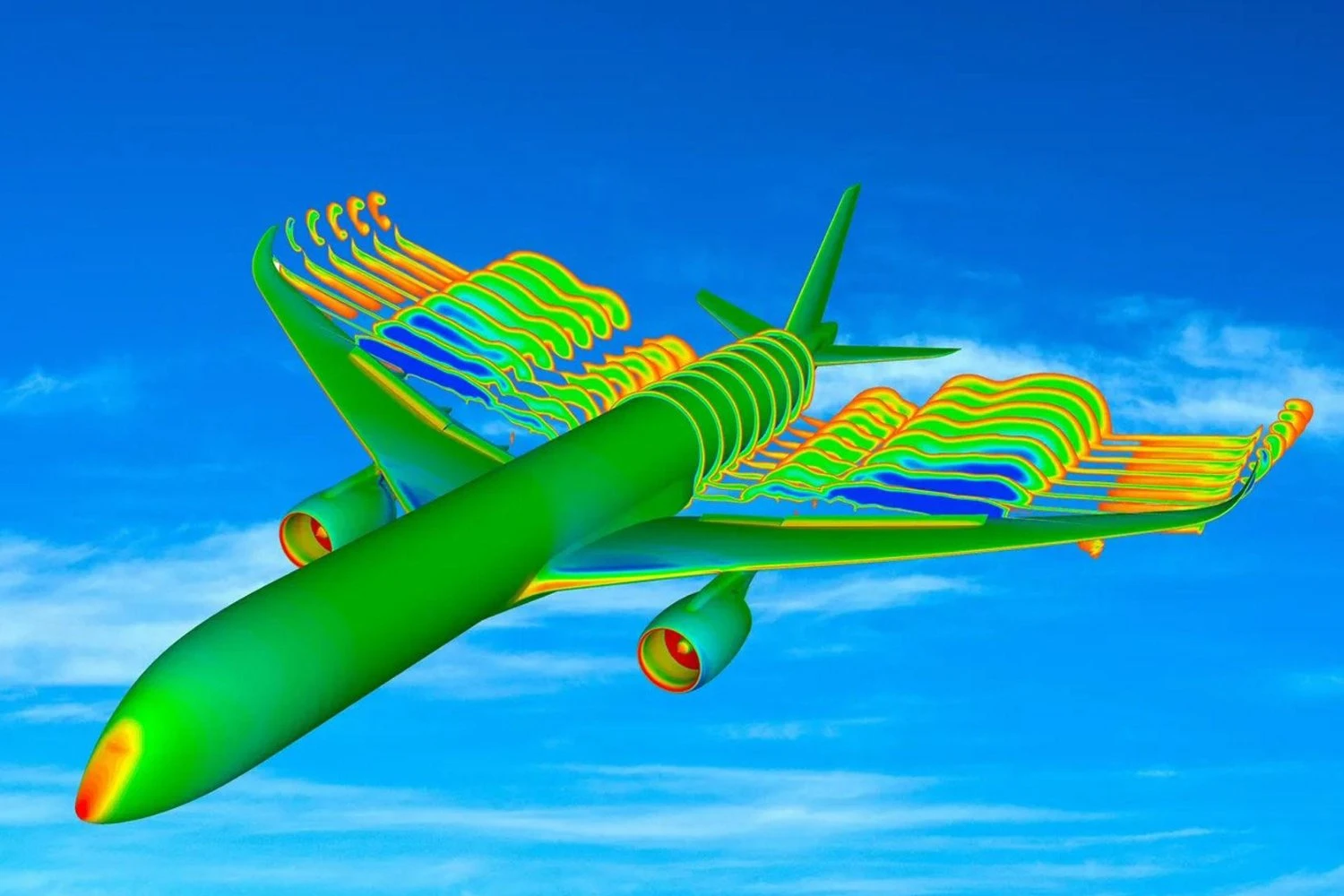
The European manufacturer is currently running the third edition of its Airbus Quantum Computing Challenge, this time focused on solving complex aerodynamic equations. The initiative seeks quantum algorithms capable of modeling airflow in conditions near the limits of an aircraft's flight envelope.
Follow Air Data News: WhatsApp | Instagram | LinkedIn | Twitter | Facebook
Such calculations are currently performed using computational fluid dynamics (CFD) and high-performance computing systems. Airbus says greater computing capability could allow engineers to simulate significantly more degrees of freedom, improving the information available when sizing primary aircraft structures.
The company is looking specifically at quantum equation solvers rather than replacing conventional computing altogether. Its approach envisages quantum processors working alongside classical high-performance computing, tackling selected calculations where the number of variables makes conventional methods particularly demanding.
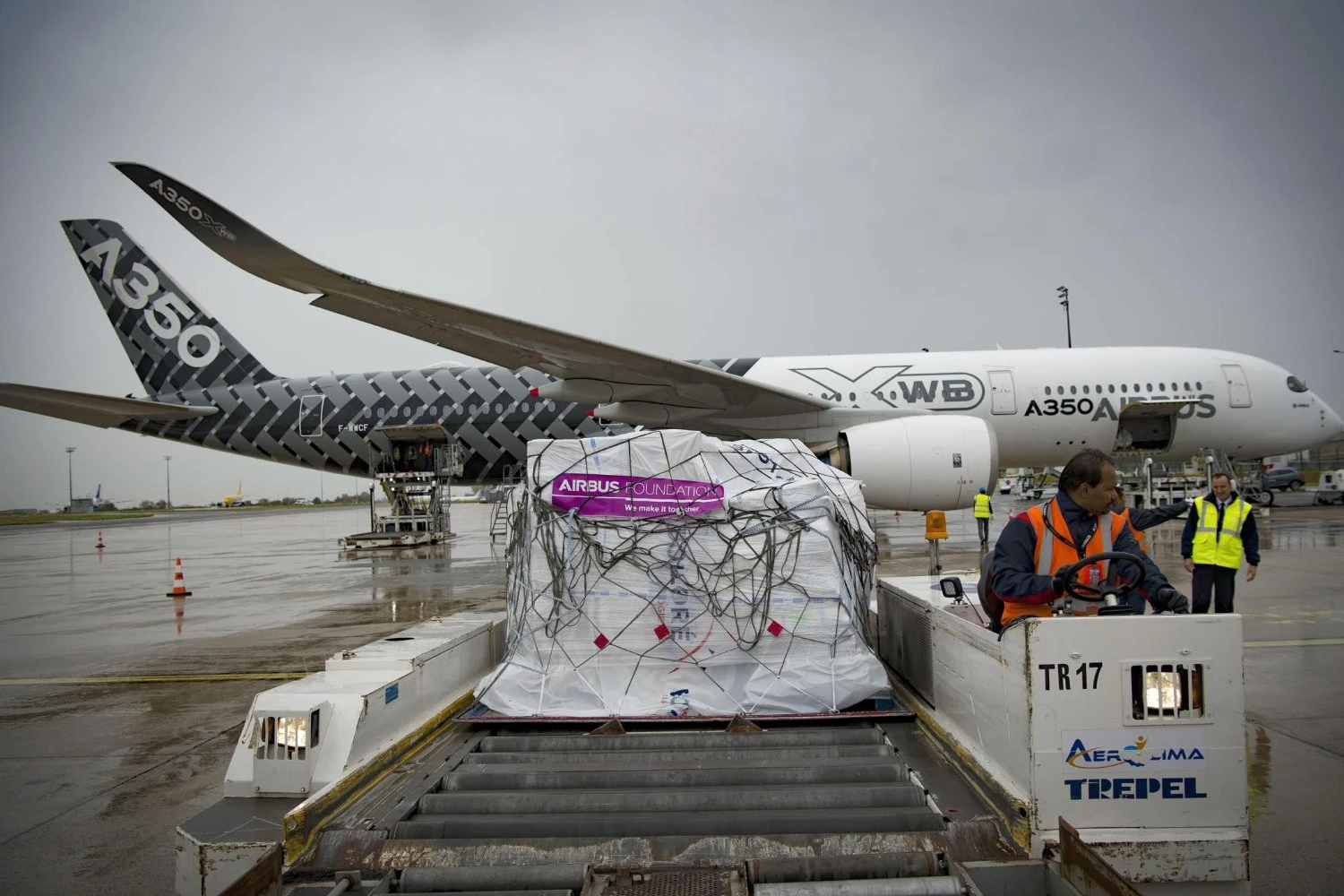
Quantum computers take on aircraft loading
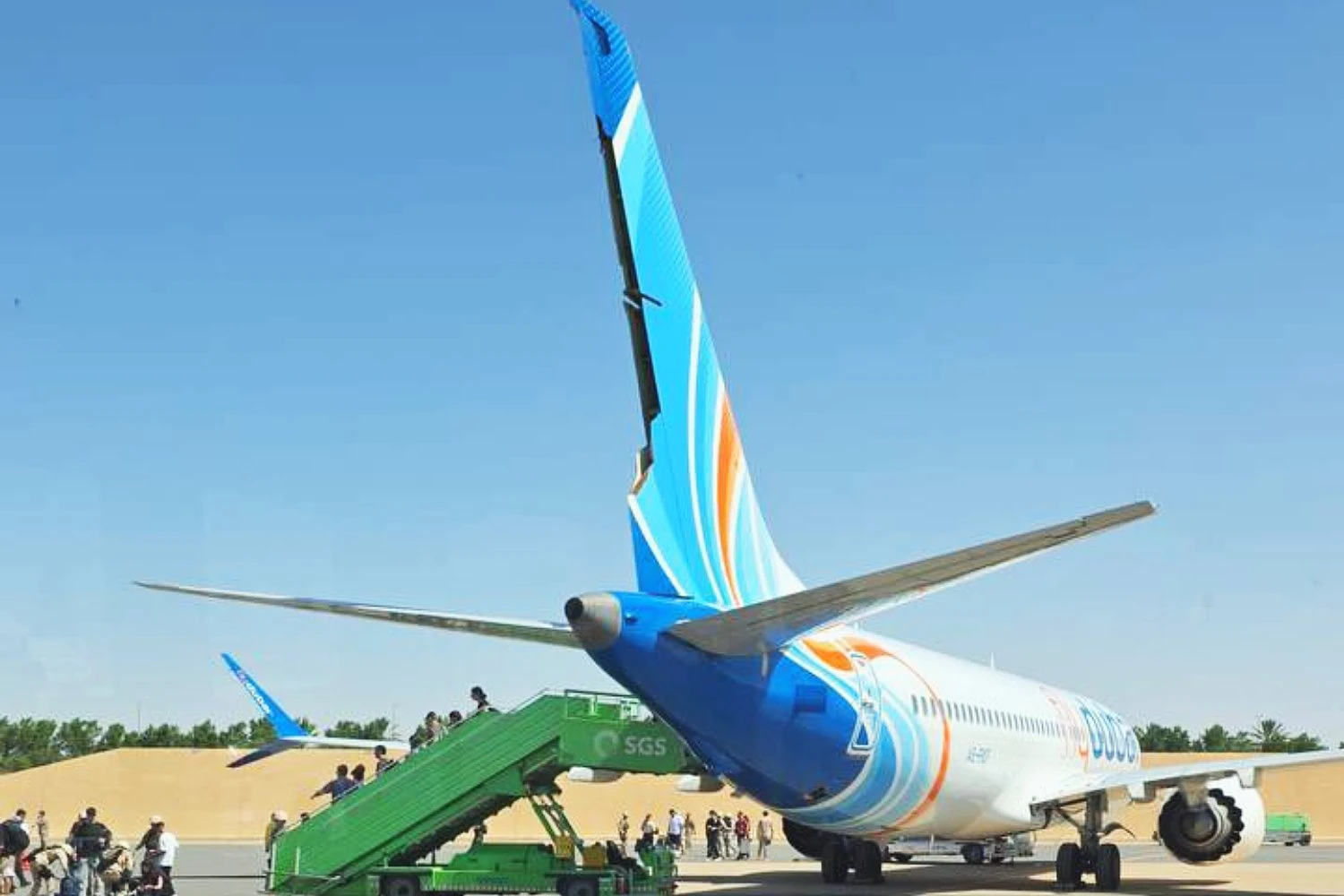
Another Airbus project provides a more tangible example of where the technology could eventually be used. Together with the UK's National Quantum Computing Centre (NQCC), ORCA Computing and 4colors, the manufacturer has been studying how quantum computers could optimize cargo loading.
Determining the best way to load an aircraft involves considerably more than fitting containers into the available space. Their weight and position affect the aircraft's center of gravity, while structural and operational restrictions add further variables to the calculation.
The number of possible combinations increases extremely quickly as more containers and individual packages are considered. Airbus has compared the task to a huge game of Tetris, with conventional computers unable to exhaustively evaluate every possible arrangement for sufficiently complex loads.
Recent news
October 19, 2026
Researchers have developed hybrid classical-quantum algorithms that divide the problem into stages, including selecting unit load devices (ULDs) and determining their position inside the aircraft. Unlike some of Airbus' earlier quantum research, the algorithms have already been tested on actual quantum hardware, including gate-based and photonic systems.
Aerodynamics is also moving beyond theoretical studies. Airbus is participating in a separate NQCC project with Oxford Ionics and Quanscient to investigate quantum algorithms for CFD simulations and determine whether the technology can eventually provide a computational advantage in aerodynamic analysis.
From experiments to specific applications
Airbus began publicly exploring quantum computing for aviation in 2019, when it launched its first Quantum Computing Challenge. The initial program covered several potential applications, including aircraft climb optimization, wing design, computational fluid dynamics and loading.
Seven years later, the research has narrowed some of those broad questions into specific engineering problems, although quantum computers are not yet replacing the conventional systems used to design Airbus aircraft.
Current quantum hardware remains limited, and demonstrating an advantage over established computing methods is itself one of the objectives of the research. Airbus therefore expects the technology to complement conventional computers in areas where quantum processing can offer sufficient value, rather than become the standard platform for everyday engineering calculations.
The potential payoff is nevertheless significant for aircraft development. Aerodynamic simulations influence structural design and performance, while better loading optimization can improve weight distribution and center-of-gravity positioning. Both are problems in which even relatively small improvements can affect the efficiency of an aircraft throughout its operational life.