 Industry
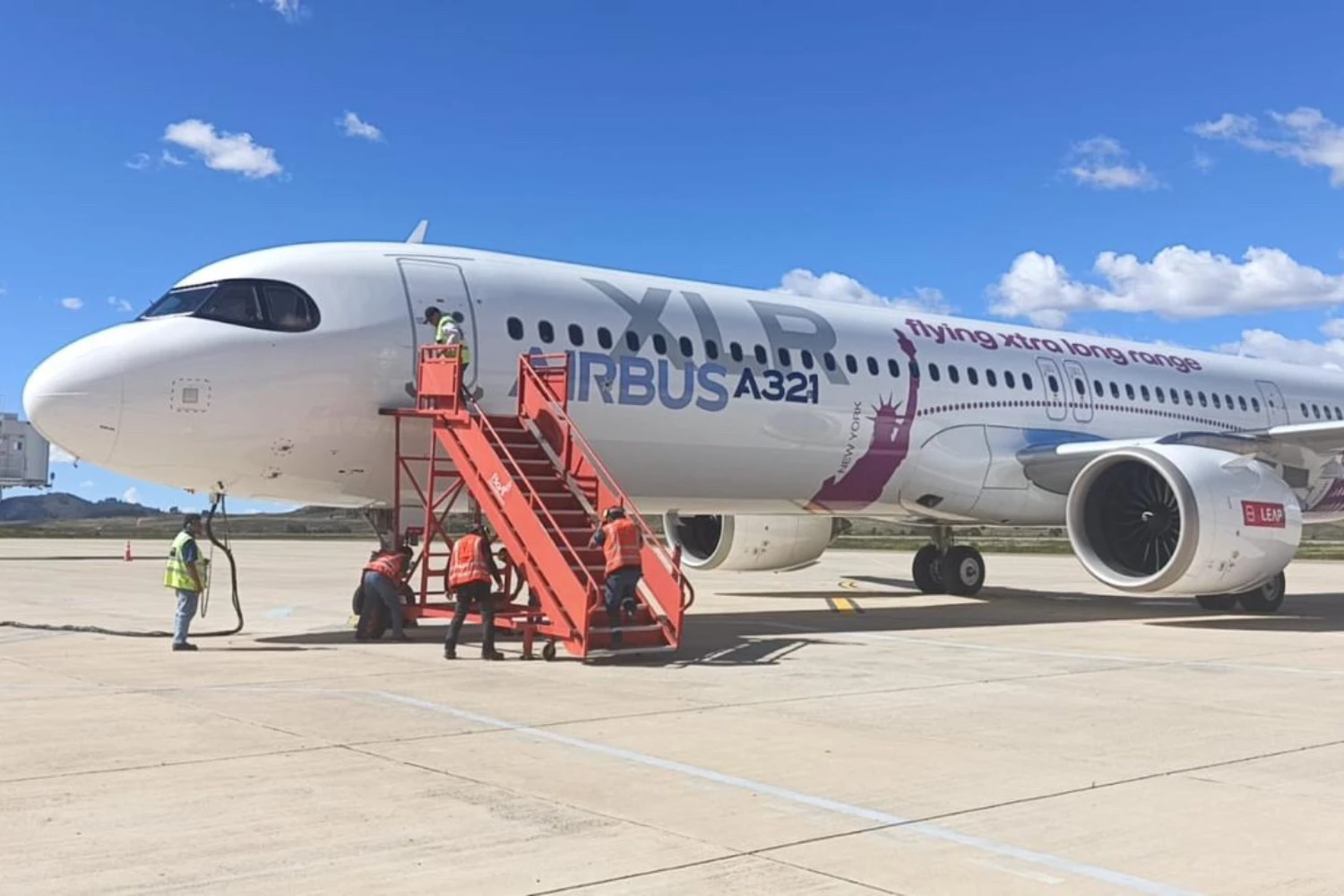
Airbus has begun a series of high-altitude tests with the A321XLR in Bolivia, using Alcantarí Airport, located 3,104 meters (10,184 ft) above sea level, as part of its certification and demonstration campaign.
The trials are being conducted over six days with a specialized Airbus team, including pilots and technical crew, performing evaluations under demanding altitude conditions. The airport, which serves the city of Sucre, was selected for its operational capabilities and infrastructure suited to complex flight testing.
During the campaign, the A321XLR is operating in conditions that simulate regular airline service. This allows Airbus to assess performance factors such as fuel consumption, turnaround times and crew procedures in a real-world environment, particularly under reduced air density.
High-altitude airports present specific challenges for aircraft, including longer takeoff distances and reduced engine performance. Testing in these environments is a standard step in validating operational limits and ensuring the aircraft can meet certification requirements across a wide range of conditions.
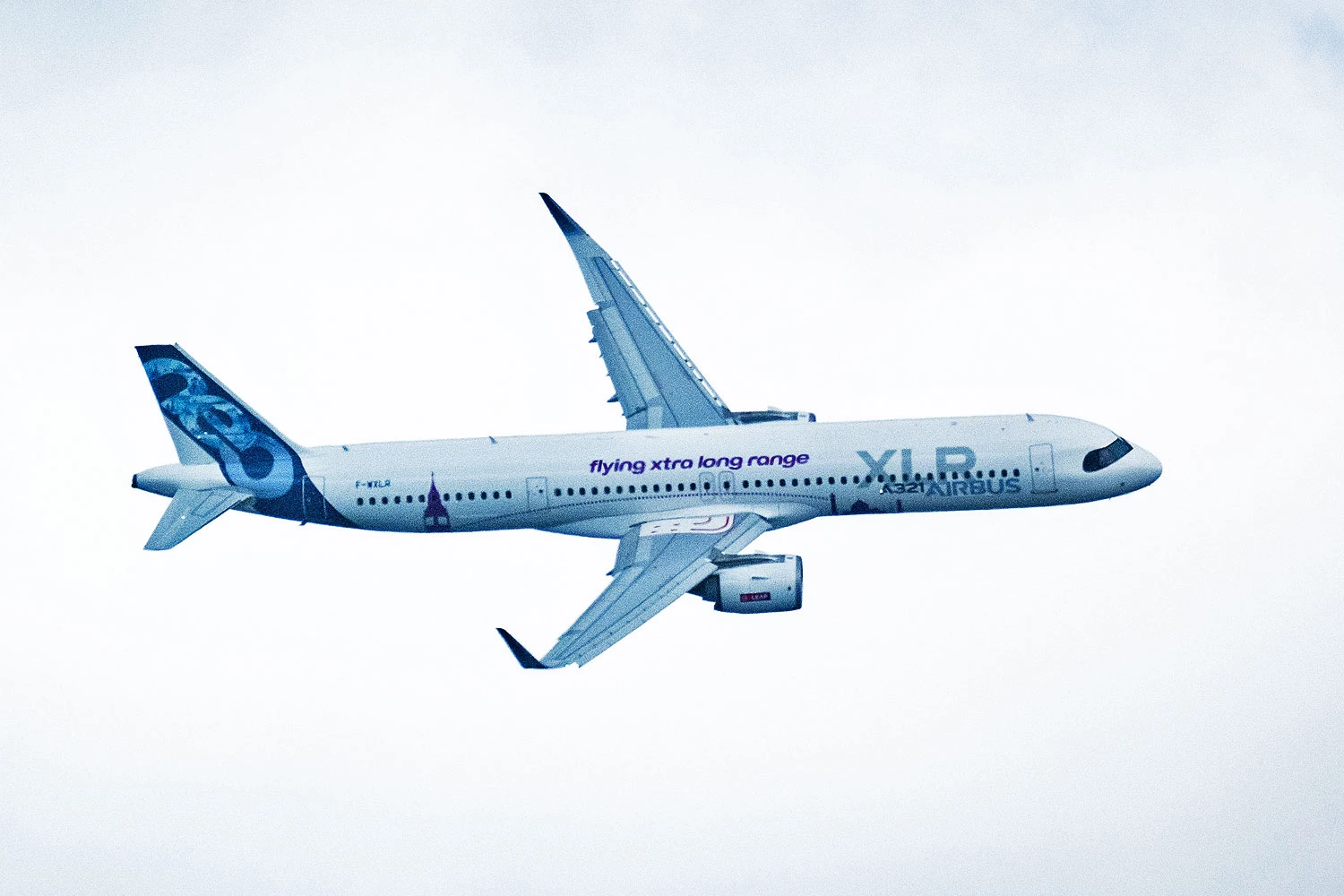
The A321XLR has already entered service, with Airbus delivering multiple aircraft to launch operators as it ramps up production. The model is designed to fly up to 4,700 nautical miles (8,700 km), extending the reach of single-aisle aircraft into long-haul markets traditionally served by widebodies.
Alcantarí Airport, opened in 2016 to replace Sucre’s previous facility, has increasingly been used for specialized aviation activities due to its altitude and relatively uncongested airspace.
There are currently 28 A321XLRs in service with eight airlines. Airbus says it has around 500 orders for the ultra-long-range variant