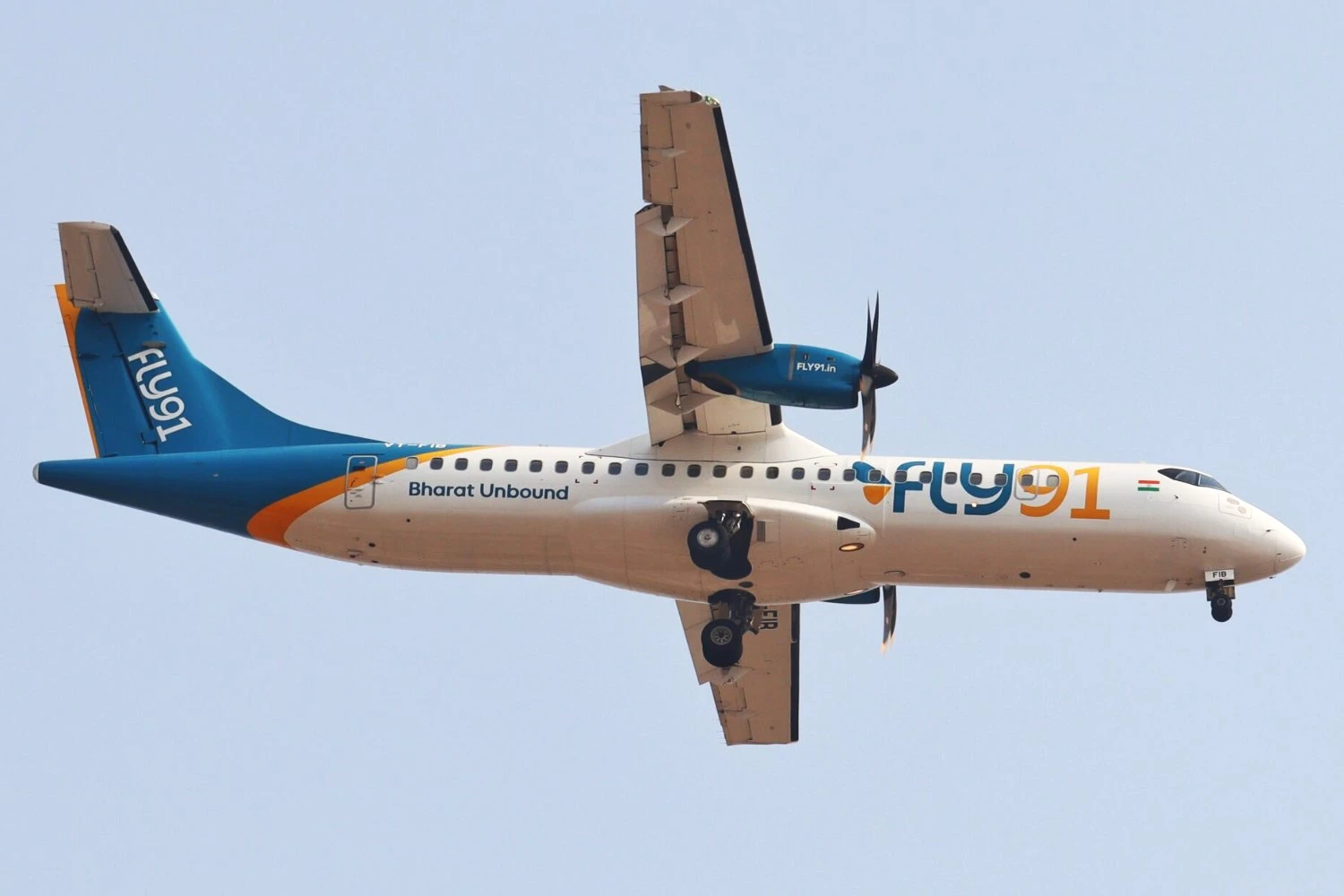
Airbus is evaluating the potential establishment of a final assembly line in India for ATR turboprop aircraft, as it explores local production to support regional aviation demand, according to a report by The Times of India.
The European group, which owns ATR jointly with Italy’s Leonardo, has held discussions with stakeholders to determine whether local assembly is viable. Key factors include airline operating costs, acquisition pricing and the long-term sustainability of government-backed regional routes.
The proposal comes as India expands policies aimed at improving air links to smaller cities. Authorities recently extended a regional connectivity program with subsidies and funding for new airports, seeking to stimulate demand outside major metropolitan markets.
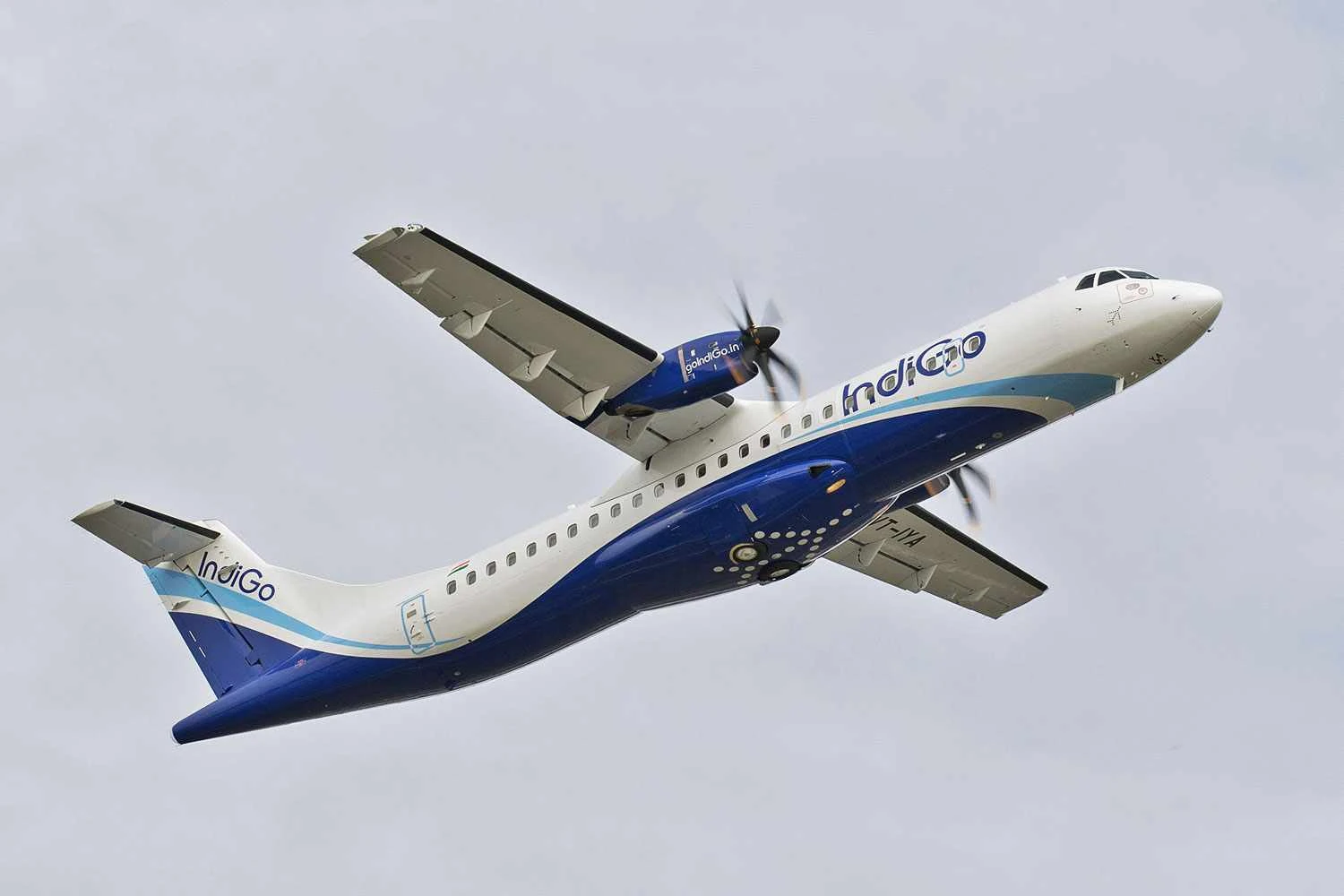
ATR already has a presence in India, where IndiGo operates around 50 turboprops and regional carrier FLY91 has a fleet of six aircraft, expected to double in the near term. The ATR 72, with capacity of up to 78 passengers, is suited to short-haul routes with lower traffic density.
Even so, regional aviation remains a small portion of India’s overall air transport market, which is dominated by high-frequency domestic services using narrowbody jets with more than 150 seats. This imbalance has limited large-scale adoption of turboprops despite policy support.
Airbus has an established industrial footprint in India, including final assembly lines for the C295 military transport aircraft in Vadodara and the H125 helicopter in Karnataka, both developed with Tata Advanced Systems. The company also relies on local suppliers for key components across its commercial programs.
A potential ATR assembly line would expand that presence and could reduce acquisition costs for airlines if supported by higher levels of local manufacturing. Government officials have encouraged deeper industrial participation from Airbus as part of broader efforts to increase domestic aerospace production.
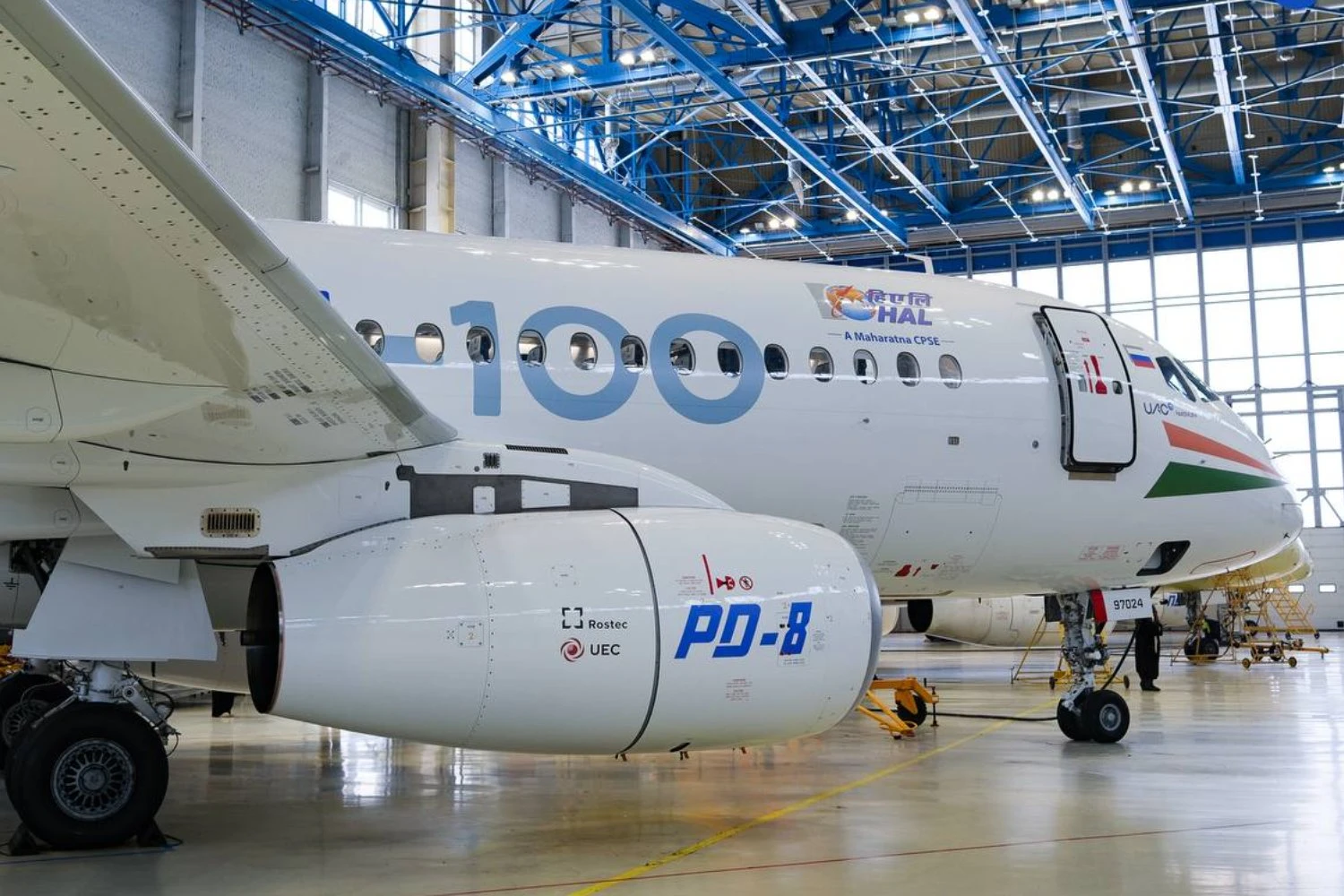
The move comes as other manufacturers pursue separate strategies to enter the Indian market. Embraer has outlined plans to assemble its E175 in partnership with Adani Aerospace, while Russia’s United Aircraft Corporation (UAC) has reached agreements with Hindustan Aeronautics Limited (HAL) involving the SJ-100. These initiatives target a different segment of regional aviation but reflect the same effort to localize production and capture future demand.