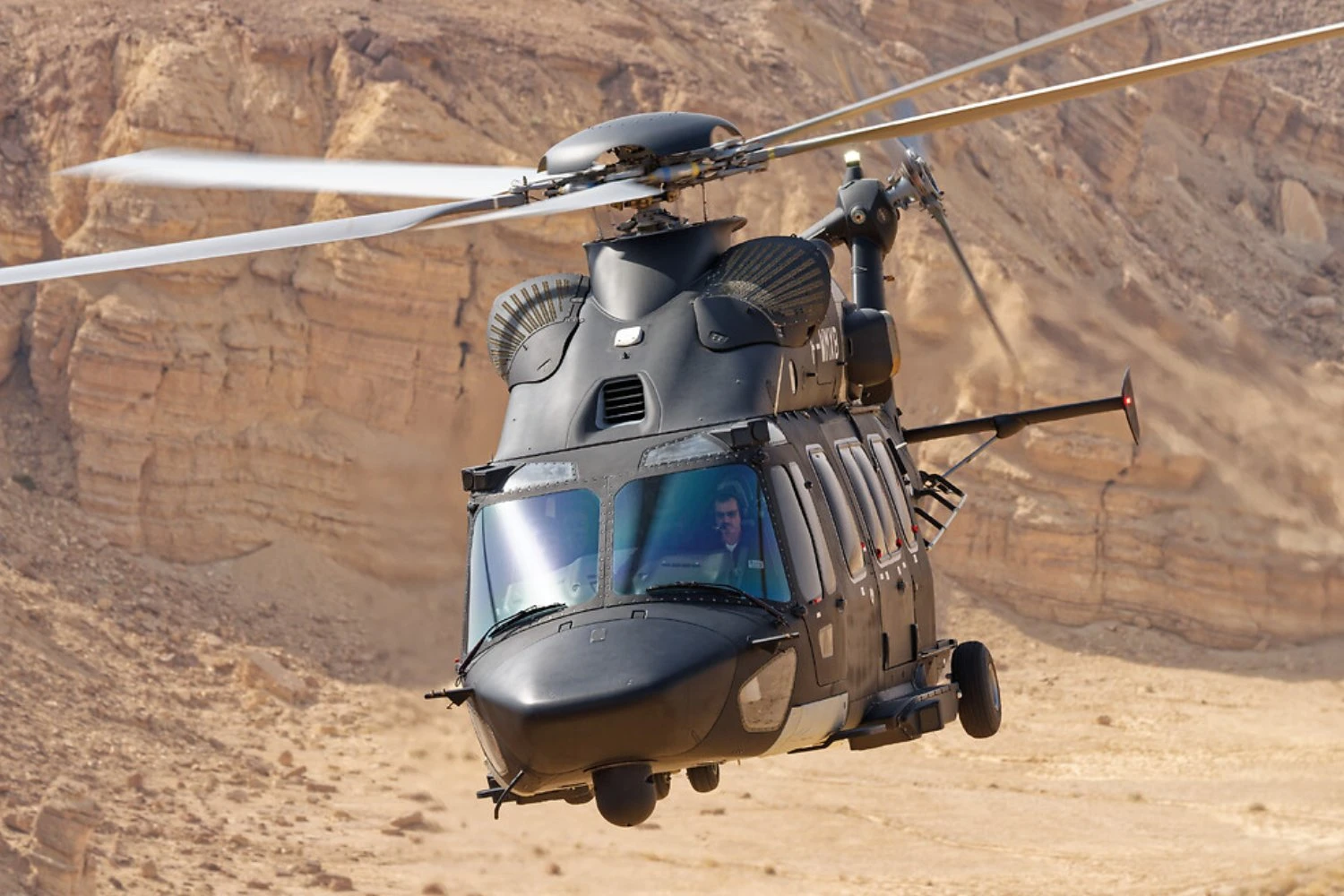
Airbus Helicopters is developing a Full Icing Protection System (FIPS) for its H175 super-medium helicopter, with French aerospace supplier Latécoère selected to provide additional cockpit control panels for the new configuration.
Latécoère announced the agreement on October 13, expanding its existing role as a supplier of cockpit equipment for the H175. The company has provided control panels for the helicopter since 2018.
Follow Air Data News: WhatsApp | Instagram | LinkedIn | Twitter | Facebook
The new equipment will allow pilots to monitor and control functions associated with the FIPS installation. Neither company has disclosed the value of the contract, the number of panels involved or a timetable for deliveries.
The addition of full icing protection would expand the weather conditions in which the H175 can operate, an important capability for missions such as offshore transport and search and rescue in regions exposed to icing conditions.
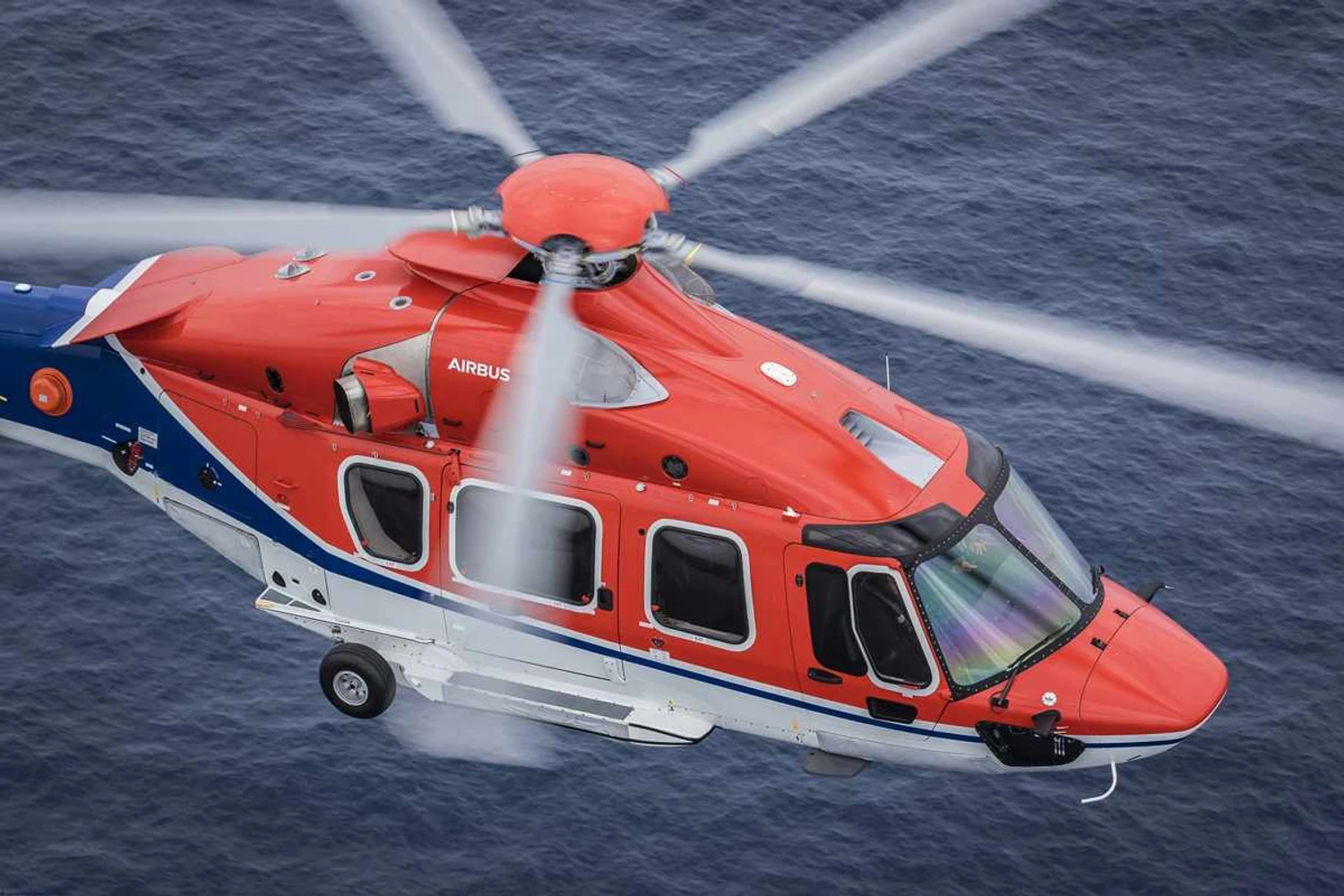
Offshore transport
Full icing protection systems are designed to prevent or remove ice accumulation from critical parts of an aircraft during flight, allowing operations in atmospheric conditions in which icing is expected rather than requiring crews simply to avoid them.
Latécoère did not provide technical details about the H175 installation or specify which parts of the helicopter will receive protection. The announcement also does not state when Airbus expects the new configuration to become available or when certification is planned.
The French supplier already has a long-standing relationship with the H175 program. Airbus Helicopters selected Latécoère in 2017 to supply cockpit control panels for the type, with production beginning the following year.
The latest contract extends that work to equipment specifically associated with the new icing protection system.
Recent news
The H175 is a twin-engine super-medium helicopter developed by Airbus Helicopters for offshore transport, public services and other missions requiring long range and high payload capacity. The aircraft can carry up to 18 passengers in a typical offshore configuration.
Airbus has also developed specialized versions of the helicopter for search and rescue and government operations, missions for which the ability to operate in adverse weather can be particularly important.
Latécoère did not identify an initial customer for the FIPS-equipped H175. The company also did not disclose whether the new system will be available for helicopters already in service or limited to newly produced aircraft.